
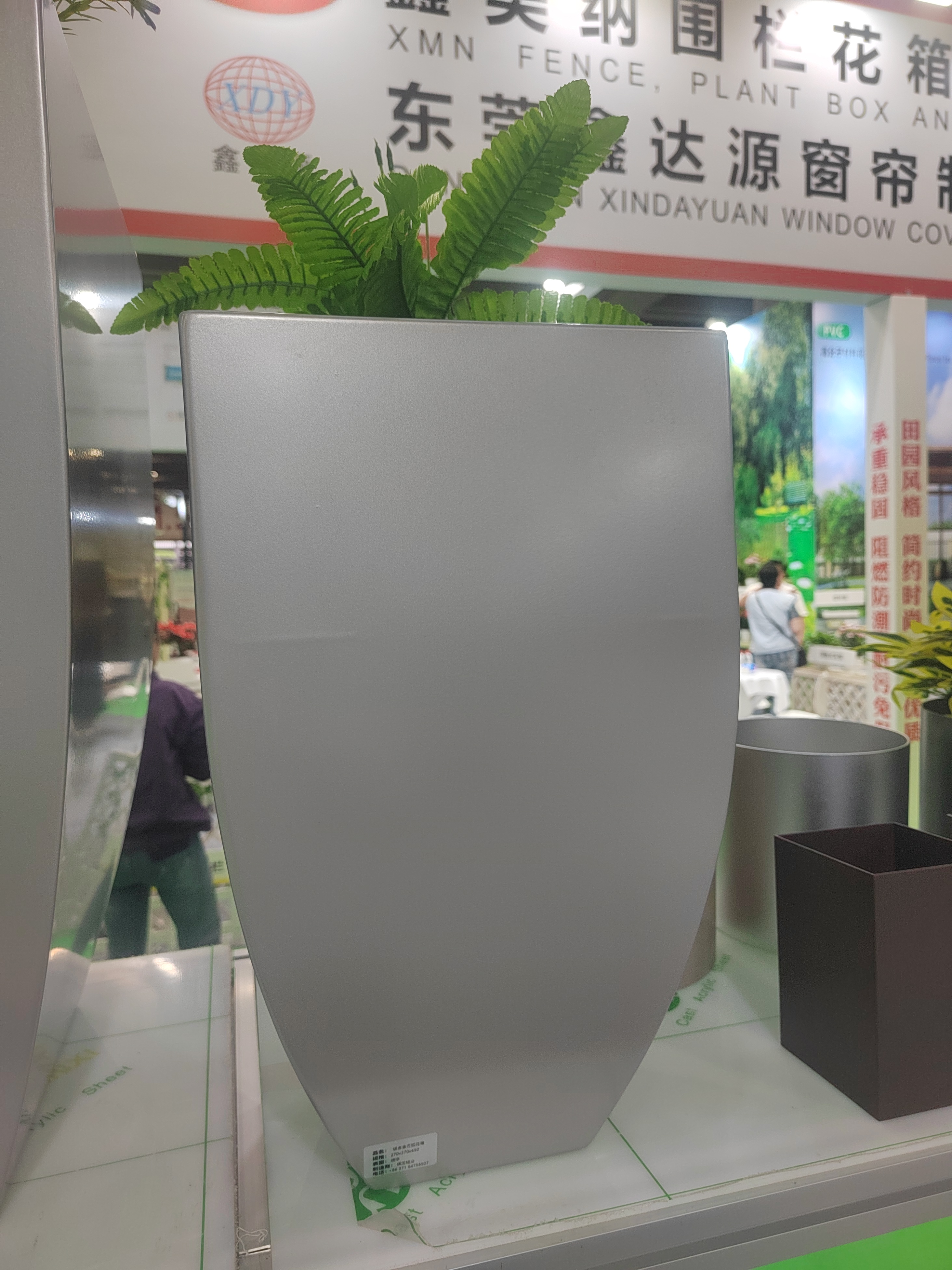
Selecting the right aluminum planting box size is fundamental to successful container gardening. The dimensions of your aluminum planting box directly influence root development, water retention, nutrient availability, and overall plant vigor. Whether you're growing herbs, vegetables, or ornamental plants, matching container size to plant type ensures optimal growth conditions and reduces maintenance challenges throughout the growing season.
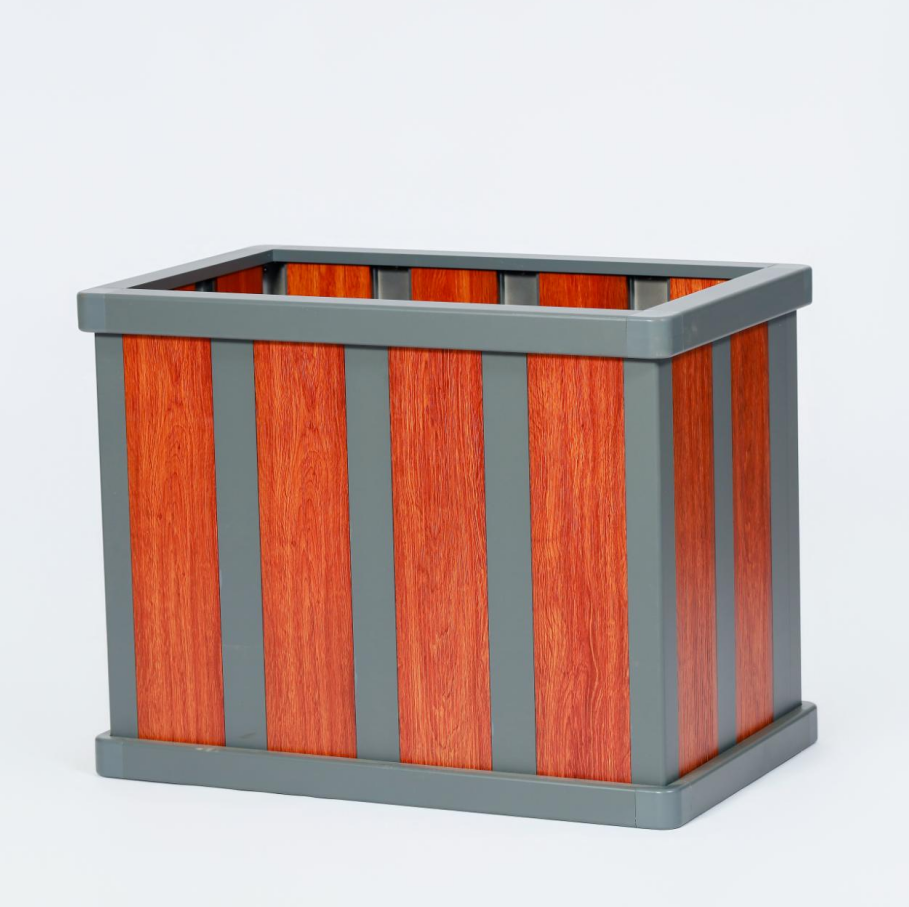
An aluminum planting box offers durability, corrosion resistance, and aesthetic appeal compared to traditional materials. However, size selection remains the most critical factor in determining planting success. Too-small containers restrict root systems and require frequent watering, while oversized boxes retain excessive moisture and can lead to root rot. Understanding how different plant categories respond to container dimensions allows you to maximize yield, health, and visual appeal in your garden space.
Understanding Container Size Requirements for Plant Growth
Root System Development and Container Depth
Plant root systems require adequate space to expand and access nutrients throughout the growing medium. Shallow-rooted plants such as lettuce, spinach, and herbs can thrive in an aluminum planting box with 6 to 8 inches of depth, making compact designs efficient for small spaces. Medium-depth containers, ranging from 10 to 12 inches, suit most flowering annuals, dwarf vegetables, and ornamental grasses. Deep-rooted vegetables like tomatoes, peppers, and root crops demand aluminum planting box dimensions of 14 to 18 inches in depth to accommodate full root expansion and ensure stable growth throughout the season.
Surface Area and Plant Spacing
The width and length of your aluminum planting box determine how many plants can grow without competing for resources. A standard aluminum planting box measuring 24 inches long by 12 inches wide accommodates 3 to 4 medium-sized plants or 6 to 8 smaller specimens. Larger dimensions, such as 36 inches by 18 inches, provide flexibility for mixed plantings or single large plants requiring more root territory. Calculating surface area helps prevent overcrowding, which reduces air circulation and increases disease susceptibility in dense planting scenarios.
Matching Aluminum Planting Box Dimensions to Specific Plant Categories
Herbs and Shallow-Rooted Ornamentals
Herbs like basil, oregano, and thyme flourish in shallow aluminum planting box containers because their root systems remain relatively compact. A rectangular aluminum planting box with 6 to 8 inches of depth and moderate width provides sufficient space for multiple herb varieties in a single unit. Shallow-rooted ornamentals such as pansies, impatiens, and trailing ivy similarly benefit from compact containers that encourage branching and flowering without excessive soil volume. This sizing approach maximizes garden aesthetics while minimizing water usage and weight, making shallow aluminum planting box options ideal for balconies, patios, and deck applications where load capacity matters.
Vegetables and Edible Plants
Vegetable production requires careful consideration of plant-specific depth requirements within your aluminum planting box design. Leafy greens need 8 to 10 inches of soil depth in an aluminum planting box, allowing adequate root development while maintaining convenient harvesting height. Peppers and eggplants benefit from 10 to 12 inches of depth to support moderate root expansion and fruit production. Larger vegetables like tomatoes and cucumbers require an aluminum planting box with minimum 14 to 18 inches of depth to establish strong root systems capable of supporting heavy fruit loads and drought periods between watering cycles. Wider dimensions, such as 30 to 36 inches, reduce competition between plants and facilitate better air movement around foliage.
Shrubs and Long-Term Perennials
Permanent or semi-permanent plantings in an aluminum planting box demand deeper containers to accommodate expanding root systems over multiple seasons. Dwarf shrubs and compact ornamental trees need aluminum planting box dimensions of 18 to 24 inches in depth and proportionally wider surface areas to support years of growth. Larger perennials and small landscape shrubs may require custom aluminum planting box configurations exceeding 24 inches in depth, with minimum lengths of 36 to 48 inches for stable root anchorage. These substantial containers provide sufficient soil volume to buffer temperature fluctuations, maintain consistent moisture levels, and supply nutrients for extended growing periods without frequent repotting.
Practical Considerations for Selecting Your Aluminum Planting Box
Drainage Capacity and Soil Volume Balance
Drainage functionality depends on both the aluminum planting box size and the quantity of soil it contains. Adequate drainage holes in your aluminum planting box prevent waterlogging, but insufficient soil volume cannot buffer moisture properly between watering intervals. A general guideline suggests that total soil volume should represent at least 1.2 times the plant's mature root ball to provide adequate water-holding capacity while maintaining proper drainage. Medium-sized aluminum planting box dimensions, typically 12 to 18 inches deep and 24 to 30 inches wide, balance drainage efficiency with moisture retention suitable for most residential gardening applications.
Structural Weight and Portability Factors
An aluminum planting box remains lighter than ceramic or wooden alternatives, making larger container sizes more manageable for relocation and repositioning. However, when filled with moist soil and mature plants, even aluminum planting box containers become substantial. Dimensions exceeding 36 inches in length or 18 inches in depth may require permanent placement in fixed garden locations. Smaller aluminum planting box sizes, ranging from 18 to 24 inches long and 8 to 12 inches deep, offer flexibility for seasonal repositioning, seasonal storage, and adaptation to changing garden layouts throughout the year.
Watering and Maintenance Efficiency
Container size influences watering frequency and maintenance demands significantly. Shallow aluminum planting box designs dry quickly, requiring daily watering in warm seasons but simplifying portability and seasonal transitions. Standard-depth aluminum planting box containers hold moisture longer, reducing watering frequency to every two to three days depending on climate and plant type. Deeper aluminum planting box configurations buffer moisture availability most effectively, tolerating three to five-day watering intervals and reducing overall maintenance workload for busy gardeners or vacation periods.
FAQ
What is the minimum aluminum planting box size for growing tomatoes?
Tomatoes require an aluminum planting box with at least 14 to 18 inches of depth and preferably 24 inches or more in length to accommodate sprawling root systems and support mature plant weight. A single large tomato plant needs minimum 20 liters of soil, roughly equivalent to a 24-inch by 12-inch by 12-inch aluminum planting box. Larger containers reduce water stress during fruit production and improve overall yield quality.
Can I grow multiple plant types in one large aluminum planting box?
Yes, a large aluminum planting box measuring 36 to 48 inches in length accommodates mixed plantings when plants have compatible watering and drainage needs. Tall plants like tomatoes or peppers can anchor one end while trailing herbs or flowers cascade from the sides. Avoid combining shallow-rooted herbs with deep-rooted vegetables in the same aluminum planting box if their watering requirements differ significantly, as one plant type may receive incorrect moisture levels.
How does aluminum planting box size affect watering schedules?
Larger aluminum planting box containers retain moisture longer because they hold greater soil volume, potentially extending watering intervals from daily to every three to five days. Shallow aluminum planting box designs dry quickly and may require daily watering in warm climates. Factors like climate, plant type, soil composition, and drainage efficiency also influence actual watering frequency, but container size remains the primary determinant of moisture retention capacity.