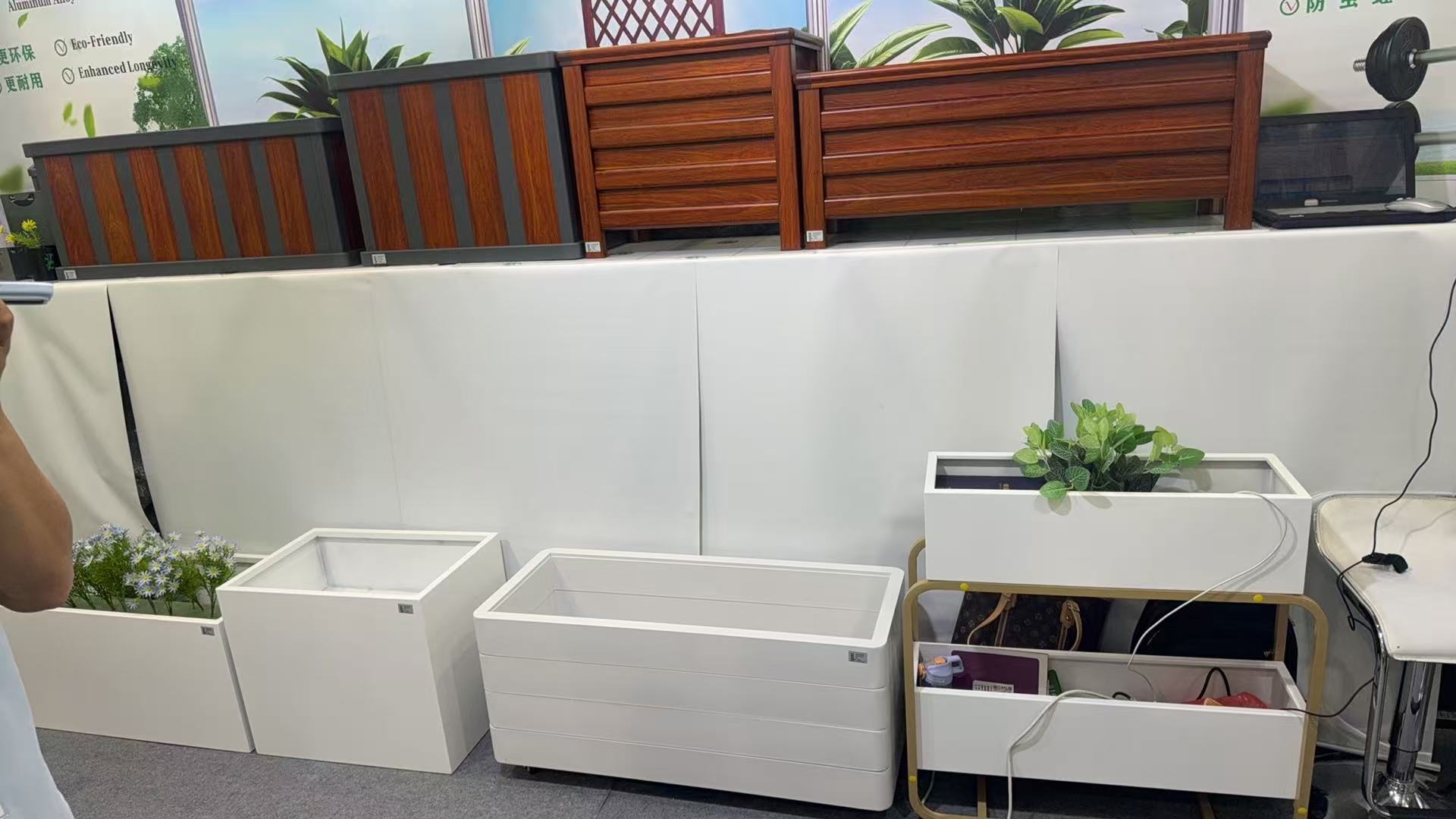
An aluminum planting box offers a modern, durable solution for growing plants, vegetables, and flowers in outdoor garden spaces. Unlike wooden or plastic alternatives, aluminum provides exceptional longevity and a contemporary aesthetic that complements any landscape design. However, maintaining an aluminum planting box in outdoor environments requires consistent care to preserve its finish, prevent corrosion, and ensure optimal plant health over time.
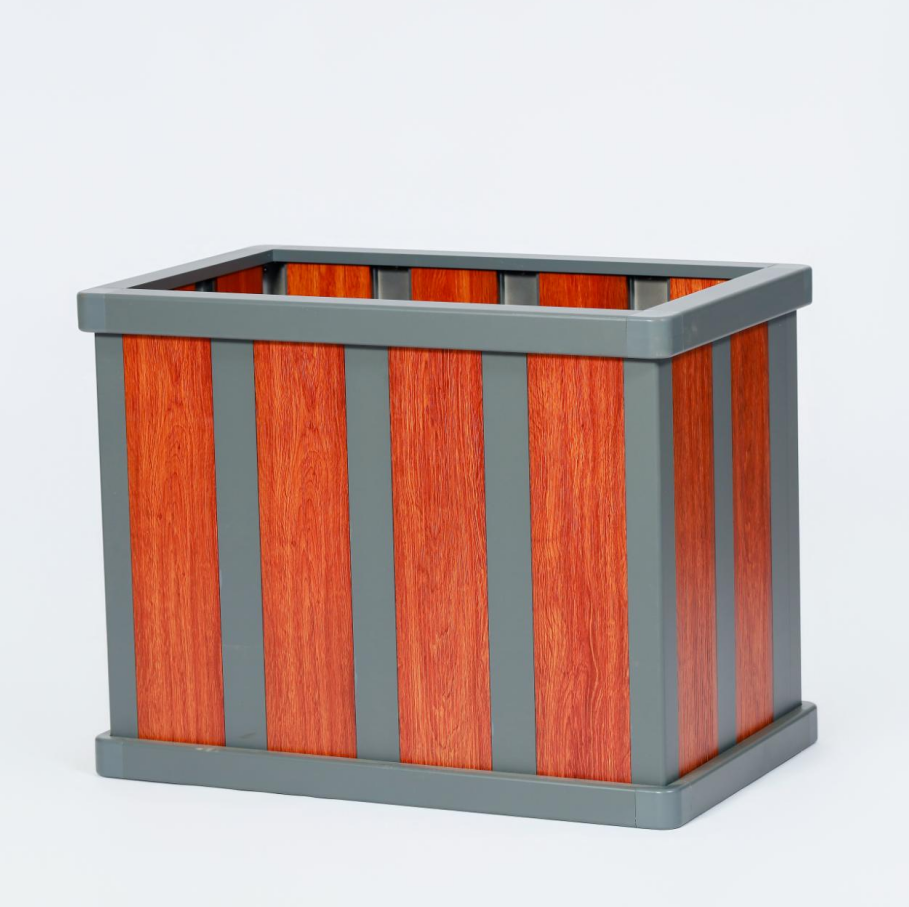
Proper maintenance of an aluminum planting box extends its structural integrity and visual appeal while protecting your investment in quality garden infrastructure. Outdoor conditions expose aluminum to UV radiation, moisture, temperature fluctuations, and mineral deposits that can gradually affect both appearance and performance. Understanding effective maintenance practices ensures your aluminum planting box remains functional and attractive for many years.
Cleaning and Debris Removal
Regular Surface Cleaning
Cleaning your aluminum planting box regularly prevents dirt accumulation and maintains its polished appearance. Use a soft-bristled brush or microfiber cloth with mild soap and water to gently remove surface dust and organic debris. For an aluminum planting box that has developed stubborn stains or algae growth, a slightly stronger solution of equal parts vinegar and water works effectively without damaging the aluminum finish.
Rinse thoroughly with fresh water after cleaning to remove soap residue and any cleaning solution. Avoid abrasive scouring pads or harsh chemical cleaners, as these can scratch the surface and compromise protective coatings. Perform this basic cleaning monthly during growing season and quarterly during dormant periods to maintain optimal cleanliness.
Interior Debris Management
Inside your aluminum planting box, remove fallen leaves, dead plant material, and accumulated debris regularly. These organic materials retain moisture and can decompose, creating an acidic environment that eventually affects the aluminum interior surface. Clear the bottom drainage area to ensure water flows freely and prevent stagnant water from pooling, which accelerates oxidation and corrosion damage.
Check drainage holes monthly and clear any blockages caused by soil, leaves, or sediment. Proper drainage protects both the aluminum structure and plant root health by preventing waterlogging and the development of anaerobic conditions that harm plant development.
Weather Protection and Coating Maintenance
Assessing Protective Coatings
Most quality aluminum planting box models arrive with powder-coated or anodized finishes that protect against oxidation and UV damage. Inspect your aluminum planting box seasonally for signs of coating wear, such as chalking, peeling, or fading. Early detection allows you to address coating issues before they expose bare aluminum to environmental elements and accelerate corrosion.
If the protective coating shows minor wear, clean the affected area and apply a clear protective sealant designed specifically for outdoor aluminum applications. This preventive measure maintains the barrier between aluminum and moisture, extending the lifespan of your planting box significantly.
Seasonal Weather Considerations
Extreme weather conditions demand enhanced protection for your aluminum planting box. In regions with intense UV exposure, consider applying UV-protective sealant annually to preserve the finish color and prevent surface degradation. For areas with freeze-thaw cycles, ensure drainage remains unobstructed so ice cannot form inside the box and create expansion pressure on walls.
During heavy rainfall or snow seasons, monitor the aluminum planting box for water accumulation and ensure drainage systems function properly. If your region experiences salt spray from coastal areas or road salt application, rinse your planting box more frequently to remove salt deposits that can initiate corrosion beneath coatings.
Drainage System and Material Management
Ensuring Proper Water Flow
Effective drainage is critical for maintaining both your aluminum planting box structure and plant health. Ensure drainage holes remain clear and functional by inspecting them before each watering season and after heavy storms. Install drainage screens if necessary to prevent soil from blocking holes while still allowing water to escape freely.
Consider adding a layer of landscape fabric or pebbles at the bottom of your aluminum planting box to improve drainage efficiency while preventing soil particles from escaping. This simple addition protects the drainage system and maintains consistent moisture levels in growing media.
Soil and Substrate Selection
The soil composition inside your aluminum planting box affects both plant performance and aluminum preservation. Use high-quality potting mix or garden soil that drains well and resists compaction. Avoid continuously wet conditions by adjusting watering frequency based on seasonal temperatures, rainfall, and plant-specific requirements.
Periodically refresh the soil in your aluminum planting box, typically every two to three years, to restore nutrient content and maintain soil structure. Old, compacted soil retains excess moisture against aluminum surfaces and increases the risk of root diseases while promoting corrosion of the container itself.
FAQ
Can you leave an aluminum planting box outside year-round?
Yes, a properly maintained aluminum planting box withstands year-round outdoor exposure in most climates. The key is ensuring adequate drainage, protecting the finish coating, and performing seasonal maintenance. In extremely harsh environments with intense salt spray or extreme temperature swings, additional protective measures such as more frequent cleaning and reapplication of protective sealants extend durability.
What causes discoloration on an aluminum planting box?
Discoloration typically results from UV exposure, oxidation, algae or mold growth, mineral deposits from water, and debris accumulation. Regular cleaning with mild soap and water removes most surface discoloration. Severe oxidation requiring professional restoration is rare in newer planting boxes with quality coatings, but can develop if protective finishes are neglected or damaged.
How often should you treat an aluminum planting box with sealant?
Apply protective sealant to your aluminum planting box every two to three years as part of regular maintenance, or immediately after identifying coating damage. High-UV regions may require annual application. Always follow manufacturer recommendations for specific sealant products, and clean the surface thoroughly before application to ensure proper adhesion and effectiveness.