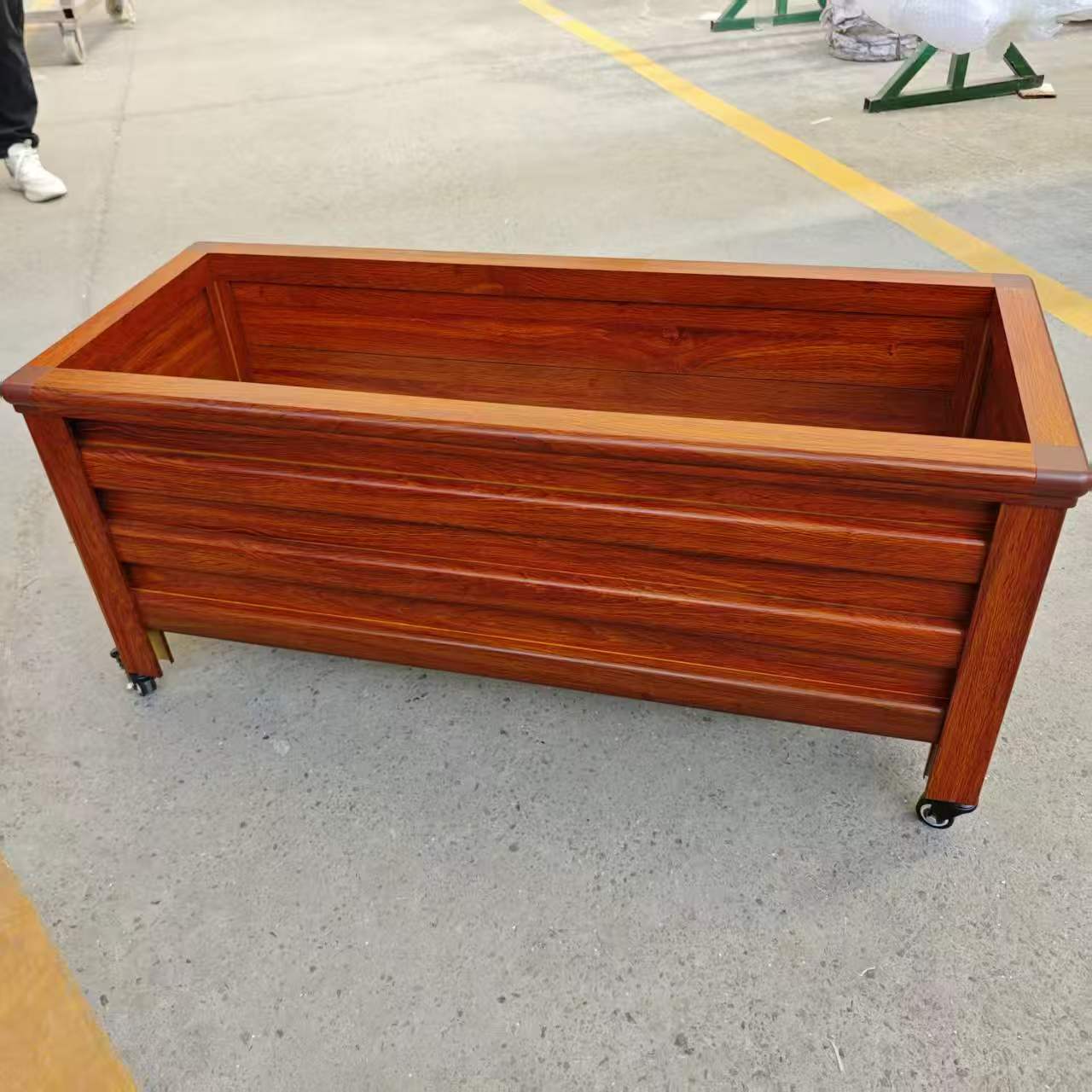
An aluminum planting box has become an essential choice for contemporary gardens, combining aesthetic appeal with practical durability that traditional materials simply cannot match. Modern landscape designers increasingly turn to aluminum planting boxes because they solve multiple challenges at once: they resist rust and corrosion, maintain their appearance for decades, and integrate seamlessly into both minimalist and naturalistic garden designs. Whether you're renovating a residential garden or designing a commercial landscape project, understanding why this material performs so well helps you make informed decisions about your outdoor spaces.
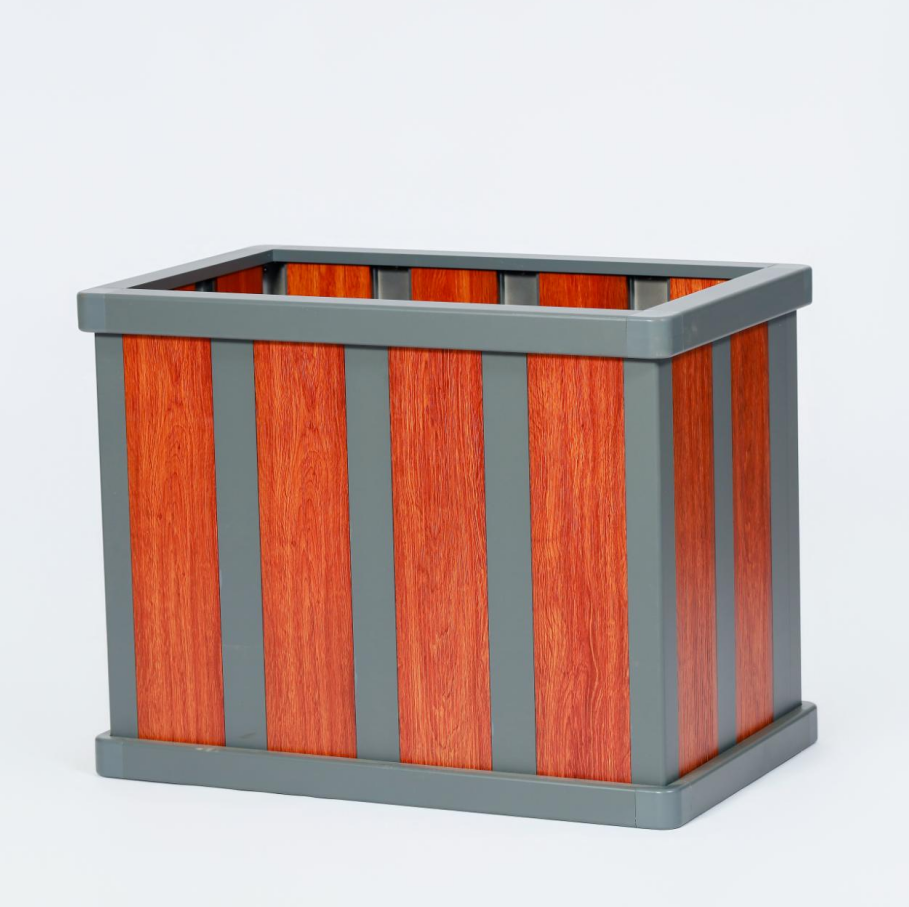
Beyond aesthetics and weather resistance, an aluminum planting box offers significant advantages in terms of weight, installation flexibility, and long-term cost efficiency. Unlike steel containers that require constant maintenance or wood planters that eventually deteriorate, aluminum structures maintain structural integrity while staying lightweight enough for easy repositioning. This combination of strength and manageability makes aluminum planting boxes the preferred solution across residential gardens, rooftop terraces, urban landscaping projects, and commercial outdoor spaces where both performance and visual consistency matter.
Durability and Weather Resistance Benefits
Long-Term Performance in Harsh Conditions
The primary reason an aluminum planting box outperforms other materials lies in its exceptional resistance to environmental stress. Aluminum naturally forms a protective oxide layer that prevents rust and corrosion, ensuring your aluminum planting box remains structurally sound through decades of exposure to rain, snow, freeze-thaw cycles, and intense sunlight. This self-protective quality means you avoid the constant maintenance cycles required by wood, steel, or composite materials. Powder-coated aluminum planting boxes add an additional protective layer, creating a barrier that further extends durability while offering customizable color options that complement any garden aesthetic.
Minimal Maintenance Requirements
An aluminum planting box requires virtually no maintenance compared to traditional materials that demand regular sealing, staining, or replacement. You simply rinse the surfaces occasionally to remove dust and debris, and the material remains vibrant and structurally intact. This low-maintenance characteristic proves especially valuable for busy homeowners or large-scale landscaping installations where maintenance budgets and personnel time are limited. Property managers working on urban landscaping projects consistently choose aluminum planting boxes specifically because they reduce ongoing operational costs while maintaining visual appeal year-round.
Design Versatility and Modern Aesthetics
Integration with Contemporary Garden Styles
An aluminum planting box complements virtually any garden design philosophy, from minimalist Scandinavian landscapes to industrial modern spaces and even traditional formal gardens. The clean geometric lines of aluminum containers naturally enhance contemporary design sensibilities while maintaining the classic proportions that work well in established gardens. Available in various finishes—brushed aluminum, anodized colors, or powder-coated surfaces—an aluminum planting box adapts to specific color palettes and design visions. Many landscape architects specify aluminum planting boxes as primary design elements rather than background features, using them to define spaces, guide movement through gardens, or create visual focal points.
Flexible Sizing and Customization Options
Unlike fixed-size materials, aluminum planting boxes offer exceptional flexibility in dimensions, depths, and configurations. Designers can specify custom heights to accommodate different plant varieties, create tiered installations for visual interest, or design modular systems that adapt to evolving landscape needs. An aluminum planting box scaled for rooftop gardens, balcony terraces, or ground-level installations provides the same durability and aesthetic consistency across diverse applications. This sizing flexibility makes aluminum the preferred material for residential renovations where existing measurements constrain options and commercial projects requiring standardized but visually striking installations.
Practical Installation and Operational Advantages
Lightweight Material Reduces Installation Complexity
Aluminum's natural lightweight properties make installation and repositioning significantly easier than working with concrete, ceramic, or composite planting vessels. An aluminum planting box can be moved by landscape crews without specialized equipment, allowing for flexible design adjustments during installation or seasonal modifications to garden layouts. This practical advantage extends to rooftop gardens where structural load limits are critical, to commercial spaces where frequent refreshes maintain brand consistency, and to rental properties where tenants may request configuration changes. The reduced installation labor translates directly into cost savings on project timelines and equipment rental fees.
Structural Integrity and Long-Term Value
An aluminum planting box maintains its structural form through thermal expansion and contraction cycles that would damage wood or compromise concrete integrity. Aluminum's strength-to-weight ratio means thin-walled containers support substantial soil and plant loads without bending or warping. This structural reliability proves especially important for large-format installations where an aluminum planting box might hold hundreds of pounds of soil, plants, and water. Landscape professionals and property managers recognize that investing in quality aluminum planting boxes reduces replacement cycles dramatically compared to alternative materials, delivering superior long-term value despite potentially higher initial purchasing costs.
FAQ
How does an aluminum planting box compare to wooden or ceramic alternatives?
An aluminum planting box outperforms wooden alternatives by eliminating rot, termite damage, and seasonal deterioration while requiring minimal maintenance. Compared to ceramic, aluminum offers superior impact resistance, lighter weight for easier installation, and consistent durability across temperature extremes. Ceramic planters are beautiful but fragile and heavy, while an aluminum planting box combines aesthetic appeal with practical durability and flexibility. The initial investment in quality aluminum often yields superior lifetime value because replacement cycles stretch across decades rather than years.
Can an aluminum planting box work in both residential and commercial landscape projects?
Yes, an aluminum planting box serves equally well in residential gardens, commercial properties, hospitality venues, and public spaces. Residential designers appreciate the customization options and low maintenance, while commercial property managers value the durability and consistent appearance that protects brand identity across multiple properties. An aluminum planting box installed in a luxury residential garden looks intentional and refined, while the same material creates professional aesthetics in corporate campuses, retail centers, and hotel landscapes. This universal applicability makes aluminum the most versatile material choice available.
What finishing options are available for an aluminum planting box?
An aluminum planting box can be finished with anodized coatings, powder-coat applications in virtually any color, or natural brushed aluminum that develops a subtle patina over time. Powder-coated options allow designers to match corporate branding colors, garden themes, or architectural elements with precision. Anodized finishes provide natural iridescent qualities while maintaining exceptional durability. Each finishing choice influences the aesthetic character of an aluminum planting box while maintaining the underlying material's superior corrosion resistance and structural integrity, ensuring consistent performance regardless of chosen appearance.