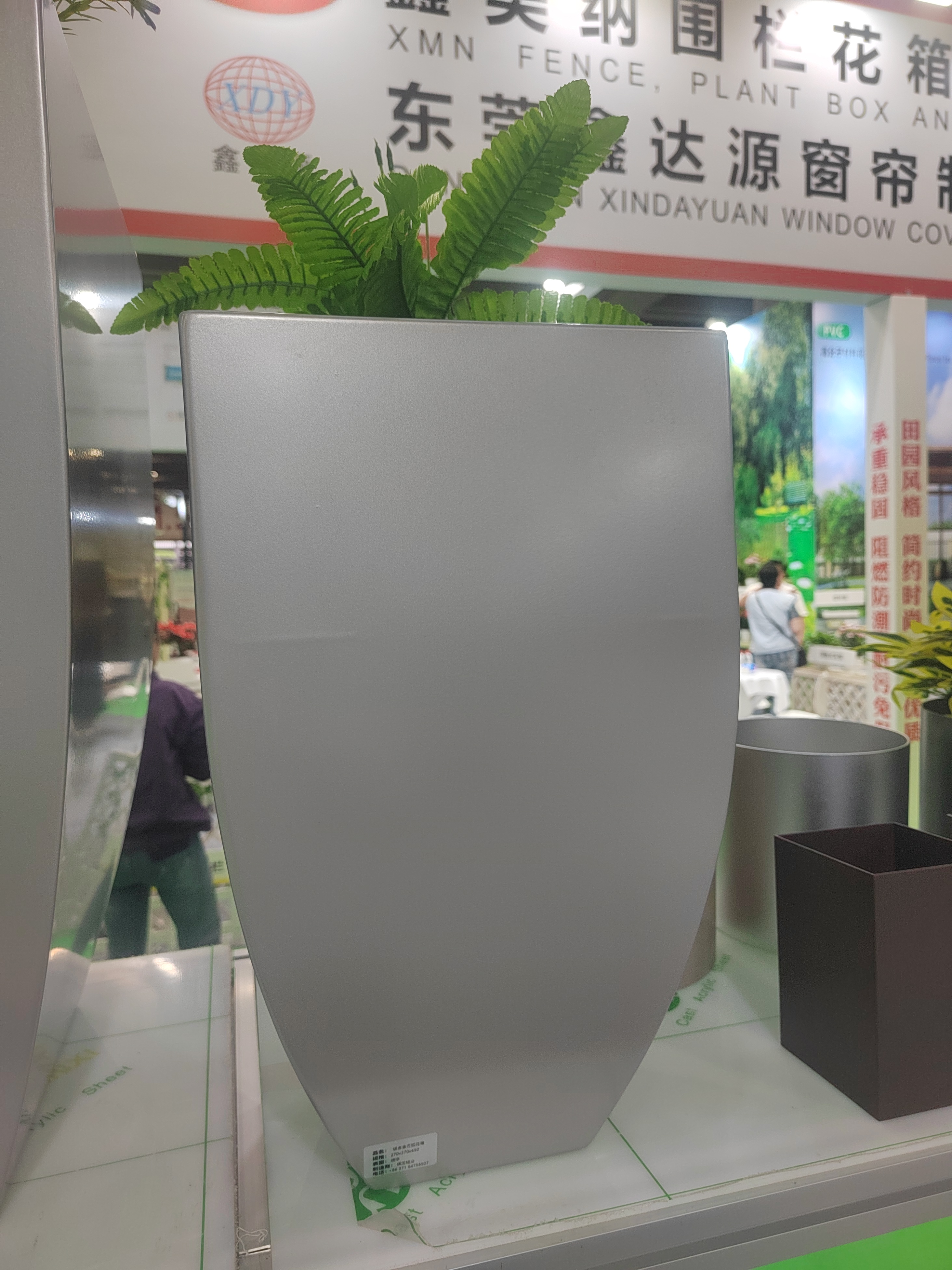
Rooftop and balcony gardens have transformed urban living by bringing greenery to spaces where traditional ground-level gardening seems impossible. Among the numerous container options available, the aluminum planting box has emerged as a preferred choice for urban gardeners seeking both functionality and style. Understanding why this container type resonates with so many growers reveals important insights about material science, practical gardening needs, and aesthetic preferences in contemporary outdoor design.
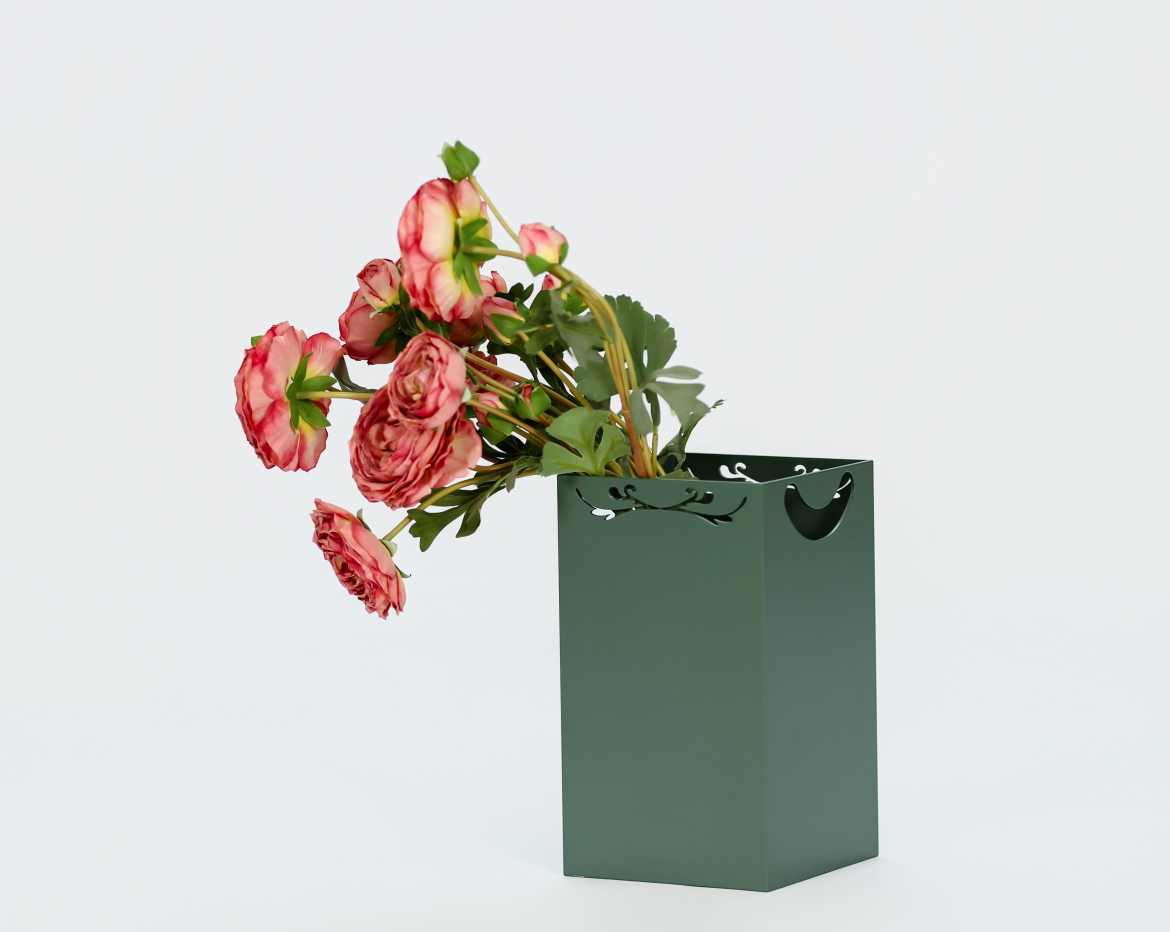
The rise of the aluminum planting box reflects a broader shift toward solutions that balance durability with design sophistication. Whether you maintain a small balcony garden or manage an expansive rooftop growing space, selecting the right container significantly impacts plant health, maintenance requirements, and overall visual harmony. The aluminum planting box delivers on multiple fronts, making it an intelligent investment for anyone serious about elevating their urban gardening experience.
Superior Durability and Weather Resistance
Exceptional Longevity in Outdoor Environments
Aluminum stands out as a material that withstands harsh outdoor conditions without compromising structural integrity. Unlike wood, which rots and splinters, or steel, which rusts and corrodes, aluminum resists oxidation naturally through a process called passivation. This means an aluminum planting box maintains its structural strength year after year, even when exposed to rain, snow, intense sunlight, and temperature fluctuations common on rooftops and elevated balconies. The lightweight nature of aluminum further enhances durability by reducing stress on container walls and preventing the warping that heavier materials sometimes experience.
Protection Against Extreme Weather
Rooftops and balconies face extreme weather exposure that ground-level gardens rarely encounter. Wind speeds are typically higher at elevation, and temperature swings can be dramatic throughout seasonal changes. An aluminum planting box handles these conditions gracefully because aluminum does not absorb or expand with moisture like certain materials do. This stability prevents the cracking, splitting, and deterioration that plague concrete or ceramic containers in harsh climates. Additionally, the smooth surface of aluminum resists UV damage and does not fade significantly over extended sun exposure, preserving both functionality and appearance through countless seasons.
Aesthetic Appeal and Design Versatility
Modern Visual Integration
Contemporary urban spaces demand containers that complement modern architecture and design sensibilities. The sleek, clean lines of an aluminum planting box align perfectly with minimalist, industrial, and contemporary design trends that dominate urban residential and commercial spaces. The neutral metallic finish integrates seamlessly with glass balcony railings, steel architectural elements, and modern façades. This visual compatibility means that choosing an aluminum planting box elevates the overall aesthetic of outdoor spaces rather than appearing out of place or overly utilitarian. The metal's reflective quality also adds subtle sophistication, catching light and creating visual interest throughout the day.
Customization and Style Options
Aluminum's malleability allows manufacturers to produce planting boxes in varied sizes, finishes, and configurations that suit specific design visions. Whether you prefer polished, brushed, or powder-coated finishes, aluminum accommodates aesthetic preferences without sacrificing durability. The material can be finished in neutral metallic tones or custom colors that coordinate with surrounding décor, garden furniture, and architectural elements. This design flexibility means an aluminum planting box works equally well in minimalist Scandinavian-inspired gardens, contemporary urban lofts, or sophisticated commercial roof terraces. The versatility extends to size options, allowing gardeners to compose balanced arrangements across varied balcony and rooftop configurations.
Practical Functionality for Urban Gardening
Lightweight Construction and Installation
Weight considerations become critical when installing containers on rooftops and elevated balconies where load-bearing capacity matters significantly. An aluminum planting box weighs substantially less than concrete, ceramic, or wooden alternatives, making installation and repositioning manageable without specialized equipment or multiple people. This lightweight advantage proves especially valuable when updating garden layouts, rotating plantings seasonally, or accessing other rooftop areas without struggling with heavy containers. The reduced weight also means less structural stress on building components, addressing concerns that building managers and homeowners association boards frequently raise regarding rooftop gardens.
Optimal Growing Conditions and Maintenance
The thermal properties of aluminum benefit plant health by maintaining stable soil temperatures compared to darker materials that absorb and radiate excessive heat. Aluminum planting boxes typically come with adequate drainage systems that prevent waterlogging, a common problem in elevated garden spaces where water cannot drain naturally into soil. The material's non-porous nature prevents nutrient leaching that occurs with porous containers, meaning fertilizer applications remain more stable and available to plants. Cleaning and maintaining aluminum containers requires minimal effort compared to materials prone to algae buildup or surface degradation. A simple rinse with water removes dust and debris, keeping gardens looking polished and well-maintained throughout the growing season.
FAQ
How does an aluminum planting box compare to plastic containers for rooftop gardens?
While plastic containers offer lower initial cost and lightweight construction, an aluminum planting box provides superior longevity and durability. Plastic degrades under UV exposure, becomes brittle in cold temperatures, and typically needs replacement every five to seven years. Aluminum maintains structural integrity and aesthetic appeal for decades, making it a more economical choice over extended timespans. Additionally, aluminum delivers a premium appearance that enhances garden aesthetics in ways plastic cannot match, particularly in professional or upscale residential settings.
Can an aluminum planting box handle freeze-thaw cycles in cold climates?
Yes, aluminum naturally accommodates freeze-thaw cycles without cracking or structural damage. Unlike materials that trap moisture internally, aluminum's non-porous nature prevents water absorption that leads to freezing damage. The metal expands and contracts with temperature changes at rates compatible with soil freezing and thawing patterns. Gardeners in cold climates frequently choose aluminum planting boxes specifically because they withstand harsh winters without requiring seasonal storage or protective measures that other container materials demand.
Is an aluminum planting box suitable for acidic soil or aggressive growing media?
Aluminum planting boxes work well with most growing media and soil types when properly lined or when used with appropriate plant selections. For highly acidic applications, a protective barrier between soil and aluminum prevents potential interaction over extended periods. Most modern aluminum planting boxes feature protective coatings or anodization that further guard against chemical reactions. Standard gardening practices with typical soil amendments pose no concerns, making aluminum planting boxes reliably suitable for diverse plant species and growing conditions common in balcony and rooftop environments.