
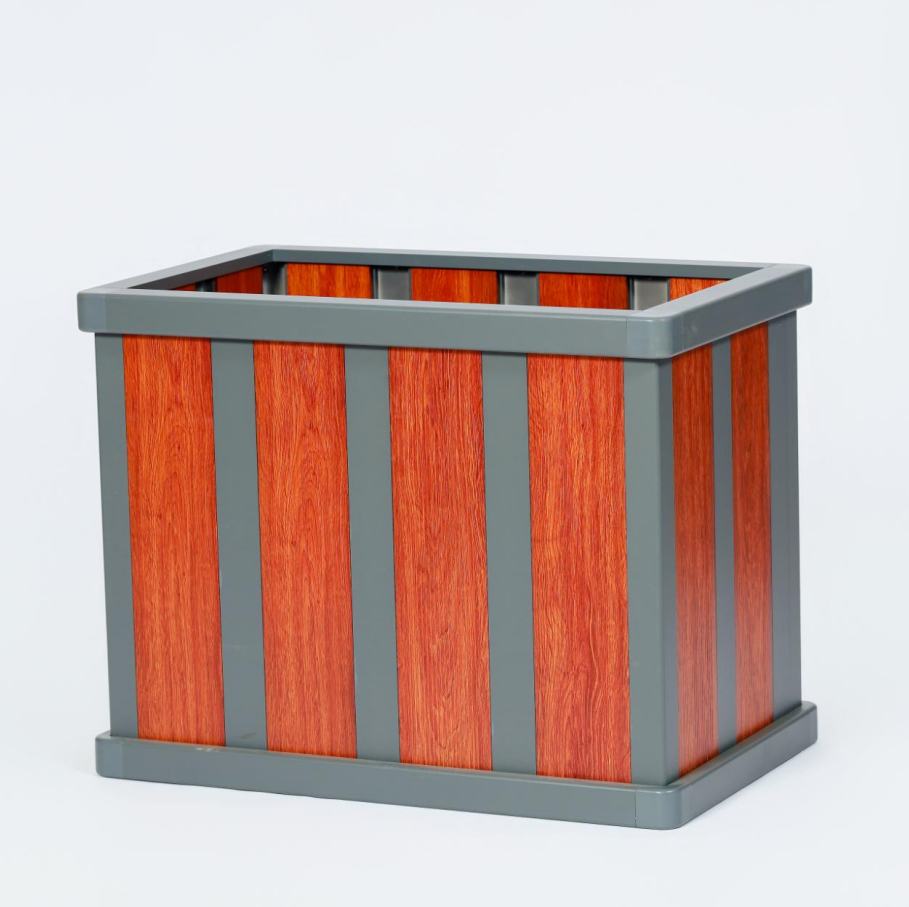
Installing an aluminum planting box is a significant decision that requires careful planning and forethought. Unlike traditional ceramic or plastic containers, an aluminum planting box combines durability, aesthetic appeal, and functional advantages that make it an attractive choice for both residential and commercial landscapes. However, selecting and installing the right aluminum planting box involves multiple considerations that directly impact its performance, longevity, and your overall gardening success.
Before you commit to purchasing and installing an aluminum planting box, understanding the key factors will help you make an informed decision. This guide walks you through the essential considerations that will ensure your aluminum planting box performs well and provides value for years to come. From structural and environmental factors to maintenance requirements and cost implications, each aspect plays a crucial role in your planter's success.
Structural Durability and Material Quality
Thickness and Gauge Specifications
The durability of an aluminum planting box depends significantly on its material thickness and aluminum gauge. A higher quality aluminum planting box will use thicker aluminum sheets that resist denting, warping, and structural failure over time. When comparing options, look for specifications that indicate the gauge or thickness measurement. Thicker aluminum provides better resistance to weather exposure, soil pressure, and mechanical stress from frequent watering and plant growth.
Gauge thickness directly affects how well your aluminum planting box withstands environmental stresses. Thin-gauge aluminum may seem cost-effective initially but tends to degrade faster when exposed to seasonal temperature fluctuations, moisture, and UV radiation. Investing in a properly specified aluminum planting box with appropriate thickness ensures structural integrity for a decade or more, making it economically sensible despite higher upfront costs.
Coating and Finish Protection
An aluminum planting box with proper coating protection is essential for long-term performance in outdoor environments. Powder-coated finishes provide superior protection compared to bare aluminum or paint-only options. A quality coating creates a barrier that prevents oxidation, corrosion, and color fading. Before installing your aluminum planting box, verify that it carries an industrial-grade powder coat that meets weather resistance standards for your climate zone.
The finish quality determines how your aluminum planting box looks after five, ten, or fifteen years of outdoor exposure. Inadequate coating allows moisture to penetrate the aluminum surface, leading to rust staining, structural weakening, and eventual failure. Selecting an aluminum planting box with verified coating specifications ensures your investment maintains both appearance and functionality through multiple seasons.
Drainage, Soil Compatibility, and Plant Health
Drainage Design and Water Management
Proper drainage is critical when installing an aluminum planting box, as waterlogging directly damages both the aluminum structure and plant roots. Before installation, inspect the aluminum planting box design for adequate drainage holes in the base and consider whether you need to add additional drainage options. Stagnant water inside an aluminum planting box promotes root rot, fungal growth, and accelerates internal corrosion even with quality coatings.
When planning your aluminum planting box installation location, ensure that water can flow freely from the drainage holes without pooling beneath the container. Placing the aluminum planting box on a slight elevation or sloped surface improves drainage performance. You may also need to install a drainage layer of gravel or geotextile inside the aluminum planting box before adding soil, which prevents drainage holes from clogging and maintains optimal moisture levels for plant roots.
Soil and Root Depth Considerations
The interior depth of your aluminum planting box determines which plant species will thrive and how long plants can grow in one location. Shallow aluminum planting box designs limit you to shallow-rooted plants like herbs, ornamentals, and flowering annuals. Deeper aluminum planting box models accommodate vegetables, perennials, and shrubs that require substantial rooting space. Measure the interior depth before installation to ensure your aluminum planting box suits your intended plant varieties and long-term gardening goals.
Consider that soil in an aluminum planting box can settle and compress over time, reducing available depth for root development. Plan for deeper soil when first filling your aluminum planting box to account for natural settling. If you intend to grow plants that require eighteen inches or more of root space, select an aluminum planting box tall enough to accommodate ongoing soil maintenance and plant needs throughout the growing season.
Location, Climate, and Maintenance Planning
Placement and Environmental Exposure
Choosing the right location for your aluminum planting box significantly impacts its durability and the success of your plants. Consider sunlight exposure, wind direction, and proximity to structures or surfaces that might affect water drainage or air circulation. An aluminum planting box placed in full sun receives more UV exposure and experiences greater temperature fluctuations, which can stress both the plants and the container material. Select a location where your aluminum planting box receives appropriate light for your plant types while maintaining reasonable protection from extreme environmental conditions.
Wind exposure affects an aluminum planting box installation by potentially causing tipping, accelerating water loss, and increasing structural stress. In coastal or windy areas, ensure your aluminum planting box is stabilized or positioned where it resists movement. Temperature swings in extreme climates can cause the aluminum to expand and contract, so understanding your local climate helps you prepare your aluminum planting box with proper anchoring or flexible joints where applicable.
Seasonal Maintenance and Care Requirements
Before installing an aluminum planting box, commit to understanding its maintenance schedule throughout the year. Seasonal cleaning removes debris, prevents coating deterioration, and keeps drainage systems functioning properly. In spring, inspect your aluminum planting box for winter damage and refresh the coating if needed. During growing season, monitor soil moisture and drainage to prevent waterlogging inside your aluminum planting box. In autumn, clean out dead plant material and fallen leaves to prevent moisture accumulation and biological degradation of the coating.
Winter care for your aluminum planting box depends on your climate zone. In regions with freeze-thaw cycles, water trapped inside an aluminum planting box expands when frozen, potentially causing cracks or structural damage. Consider draining your aluminum planting box or using well-draining winter-appropriate soil mixtures. If your aluminum planting box remains outdoors year-round, protecting it from salt spray, ice melt chemicals, and extreme temperature swings extends its operational lifespan and maintains visual appeal.
FAQ
How deep should an aluminum planting box be for vegetable gardening?
Most vegetables require an aluminum planting box with at least twelve to eighteen inches of soil depth. Root vegetables like carrots and potatoes need deeper space, ideally sixteen to twenty-four inches inside your aluminum planting box. Shallow-rooted crops like lettuce and herbs can succeed in aluminum planting box models with ten to twelve inches of depth. Check specific plant requirements and choose an aluminum planting box depth that matches your intended growing focus for optimal yields and healthy plant development.
Can an aluminum planting box be installed directly on soil or pavement?
Yes, an aluminum planting box can be placed directly on soil or pavement, but ensure proper drainage clearance beneath the container. If placing your aluminum planting box on soil, verify that ground-level water doesn't pool around the base and that moisture drains away naturally. On pavement, use spacers or feet to elevate your aluminum planting box slightly, allowing water to flow freely from drainage holes without puddling. This approach protects both the base of your aluminum planting box and prevents waterlogging that damages plants and metal surfaces.
How often should I clean and maintain my aluminum planting box?
Clean your aluminum planting box at least twice yearly, ideally in spring and fall, to remove debris and inspect for damage. During the growing season, check drainage holes monthly to prevent clogs and monitor soil moisture. If you notice dirt buildup or organic staining on your aluminum planting box exterior, gentle cleaning with mild soap and water maintains the powder-coated finish. Regular maintenance of your aluminum planting box prevents costly repairs and extends its lifespan significantly, ensuring years of reliable gardening performance and visual appeal.