aircraft aluminum extrusion
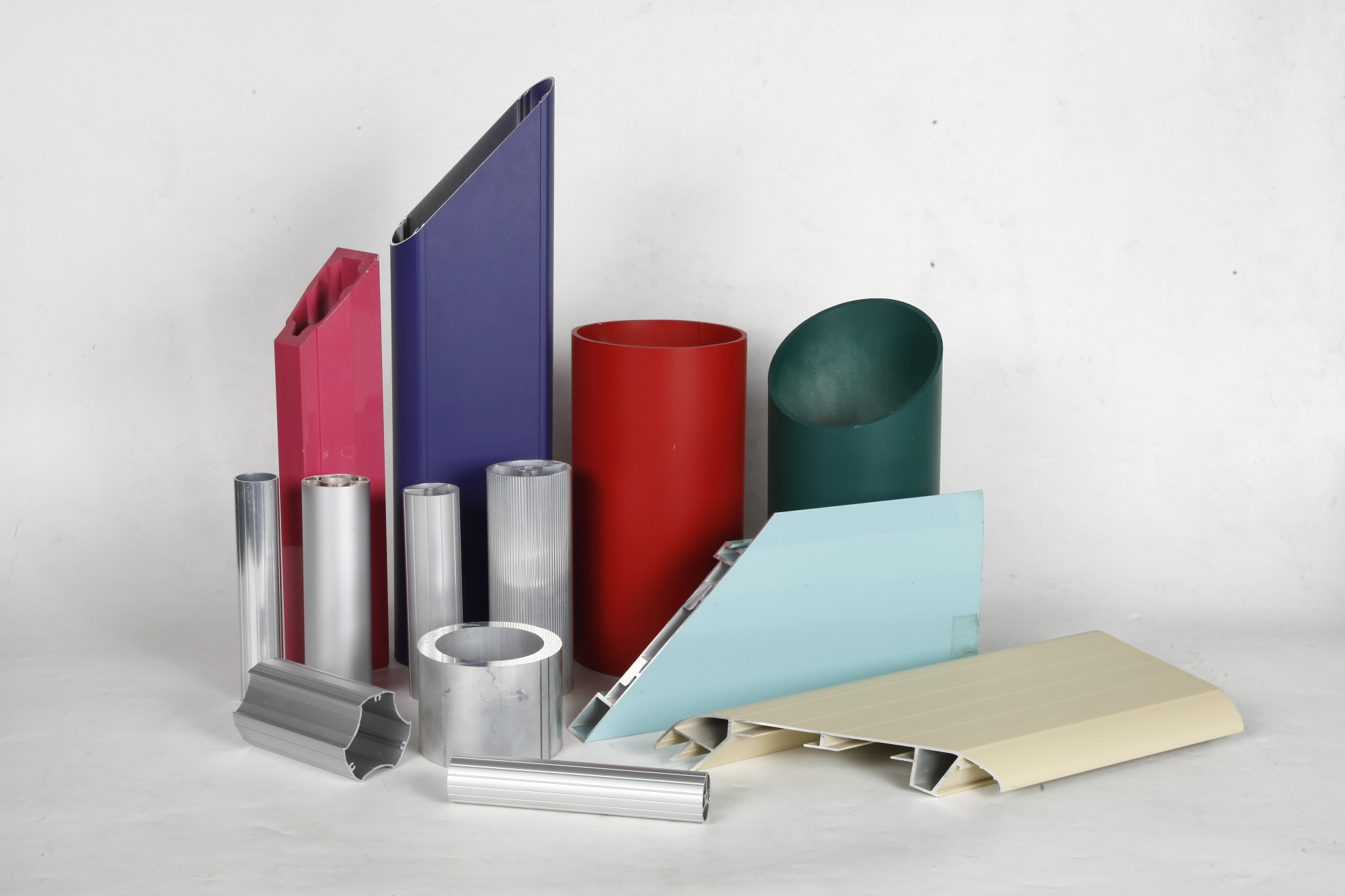
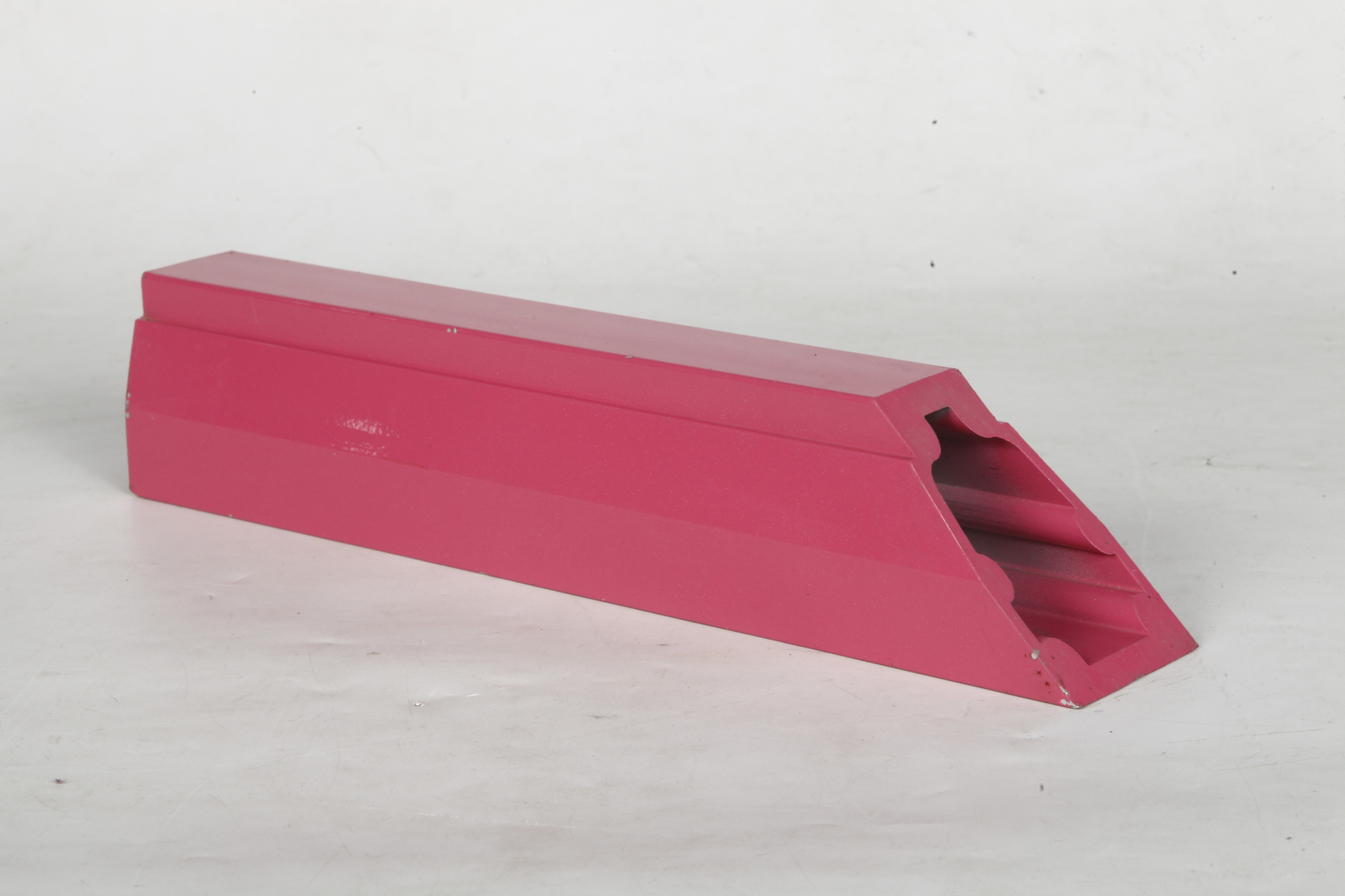
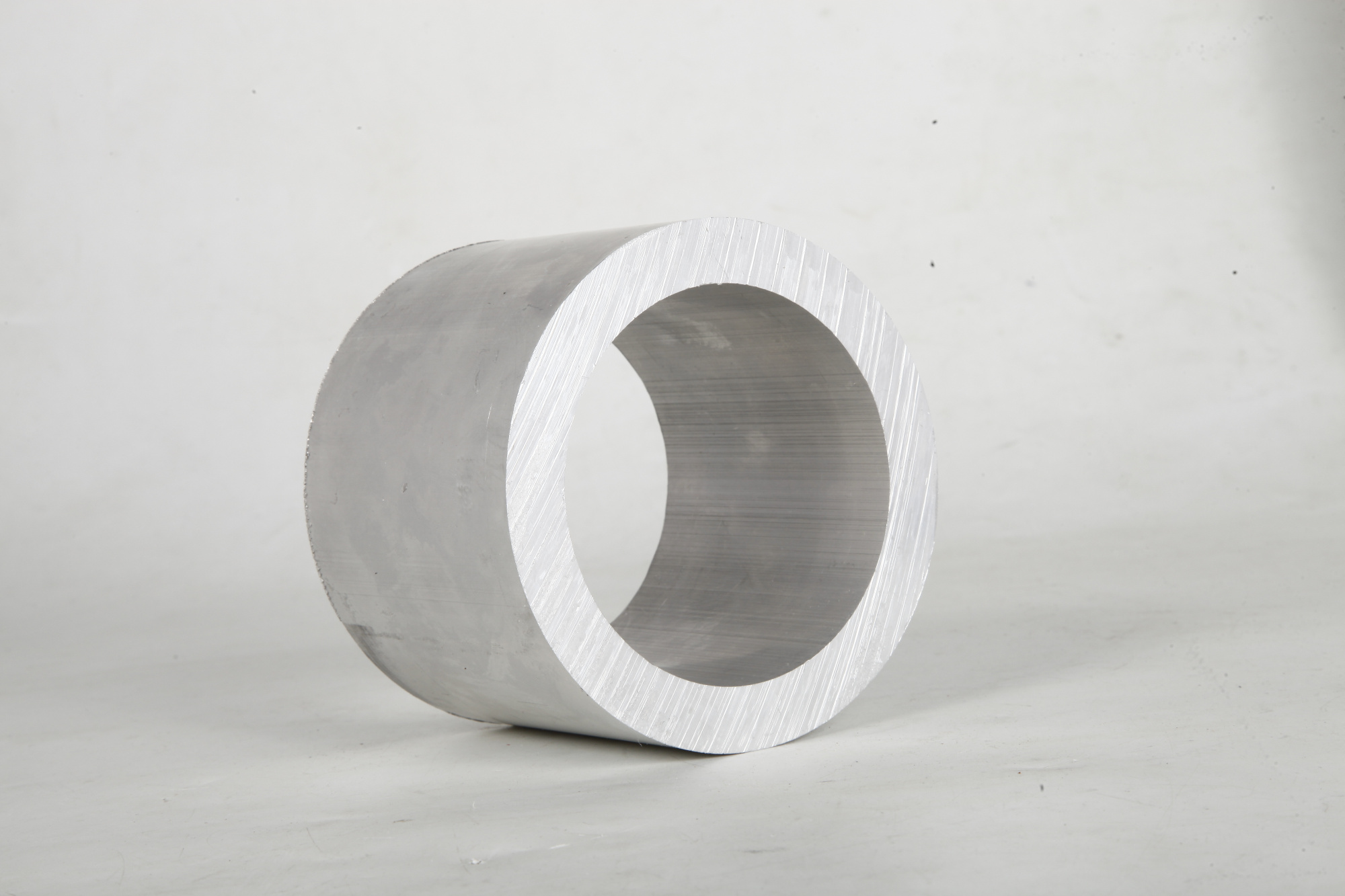
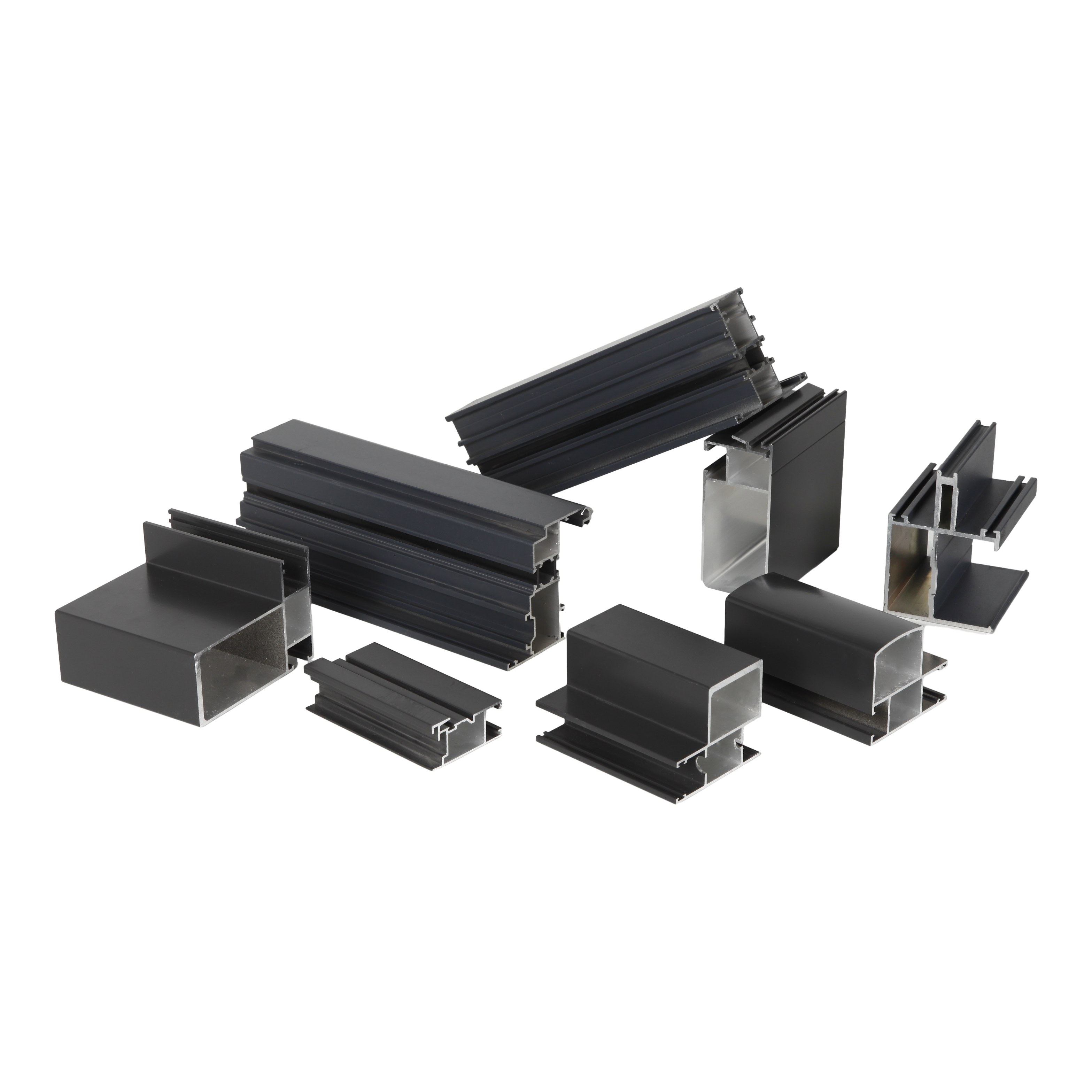
Aircraft aluminum extrusion is a specialized manufacturing process that creates precision aluminum profiles for aerospace applications through forcing heated aluminum billets through custom-designed dies. This advanced technique produces complex cross-sectional shapes with exceptional dimensional accuracy and consistency, making it indispensable for modern aircraft construction. The process utilizes high-strength aluminum alloys, primarily from the 2000, 6000, and 7000 series, which offer superior strength-to-weight ratios essential for aviation requirements. Aircraft aluminum extrusion delivers structural components including fuselage frames, wing stringers, floor beams, seat tracks, and various interior fittings that meet rigorous aerospace standards. The technological features of aircraft aluminum extrusion include tight tolerance control, excellent surface finish, and the ability to create intricate hollow sections that reduce weight while maintaining structural integrity. This manufacturing method supports both solid and hollow profiles with wall thicknesses ranging from thin-walled sections to heavy structural members. The extrusion process enables seamless integration of design features such as mounting holes, channels, and reinforcement ribs directly into the profile, eliminating secondary operations and reducing production costs. Applications span commercial aviation, military aircraft, helicopters, and space vehicles where weight reduction and structural performance are critical. The process accommodates various temper conditions and heat treatments to achieve specific mechanical properties required for different aircraft zones and loading conditions, ensuring compliance with FAA, EASA, and other international aerospace certifications.