An aluminum planting box offers gardeners and landscapers a reliable solution for cultivating healthy plants in diverse environments. Whether you are managing a residential garden, commercial landscape, or rooftop installation, this versatile container combines practical benefits with aesthetic appeal. The unique properties of aluminum make it an excellent choice for supporting robust plant development while minimizing maintenance demands.
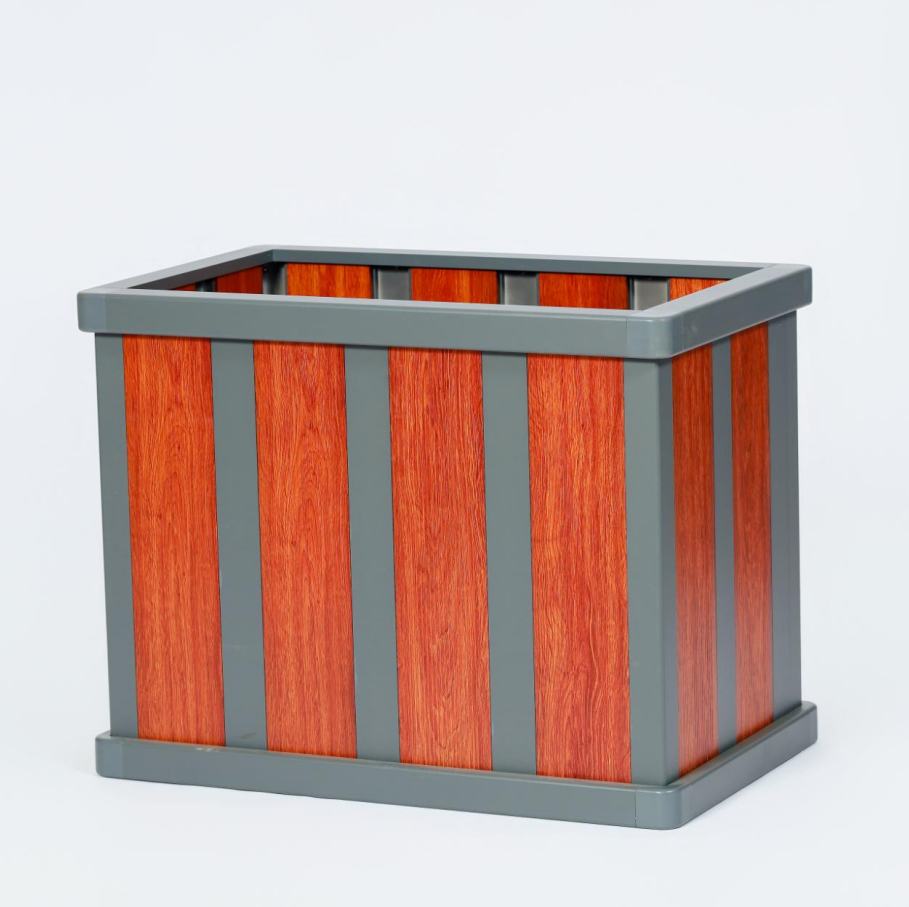
Understanding how an aluminum planting box functions as a growth platform requires examining its structural, thermal, and drainage characteristics. Unlike traditional materials that degrade, retain excess moisture, or fluctuate wildly in temperature, aluminum planting boxes deliver consistent conditions that encourage vigorous root development and nutrient absorption. This guide explores the key mechanisms through which these containers support thriving plants.
Superior Drainage and Moisture Management
Water Flow and Root Health
Proper drainage is foundational to healthy plant growth, and an aluminum planting box excels in this critical function. The rigid structure prevents sagging or warping that can trap water near roots, which leads to rot and fungal diseases. When soil becomes waterlogged, oxygen availability decreases, suffocating root systems and stunting growth. An aluminum planting box maintains its shape, allowing water to flow freely through drainage holes without creating pockets of stagnant water.
The material's non-porous nature ensures that excess water drains predictably, making it easier for gardeners to manage irrigation schedules. Unlike wood or plastic containers that absorb moisture and may harbor pathogens, aluminum planting boxes remain clean and hygienic. This consistency helps plants develop stronger, more efficient root systems that can absorb nutrients more effectively from well-aerated soil.
Drainage System Design
Quality aluminum planting boxes include strategically placed drainage holes that prevent water accumulation while retaining sufficient moisture for plant needs. The bottom design typically slopes slightly to encourage complete water drainage, particularly important during heavy rainfall or aggressive watering. This engineering consideration ensures that even in humid climates or during frequent watering schedules, the aluminum planting box protects plants from overwatering damage. Gardeners can confidently maintain consistent watering routines without fear of root disease development.
Temperature Regulation and Climate Control
Thermal Stability Benefits
Temperature fluctuations stress plants and impede growth, especially for sensitive species. An aluminum planting box provides superior thermal stability compared to dark plastic or metal containers that heat rapidly in sunlight. Aluminum's reflective properties help moderate soil temperature, preventing the extreme heat that can damage roots and denature beneficial soil microorganisms. This thermal buffering is particularly valuable in regions with intense sun exposure or dramatic day-to-night temperature swings.
The consistent temperature environment created by an aluminum planting box supports microbial activity and nutrient cycling in the soil. Beneficial bacteria and fungi thrive within a moderate temperature range, breaking down organic matter and making nutrients available to plant roots. By maintaining stable soil temperatures, aluminum containers foster the biological ecosystem that underpins healthy plant development. This is especially important for long-term container gardening success, where soil biology directly impacts plant vigor.
Seasonal Performance
During winter, an aluminum planting box protects roots from extreme cold that might otherwise kill dormant perennials or damage tender plants. In summer, the same material prevents soil from becoming dangerously hot, which can occur in traditional dark-colored containers. This dual-season protection extends the growing season and allows gardeners to cultivate a wider range of plant species in containers. The aluminum planting box essentially creates a more forgiving microclimate that supports plant resilience and longevity.
Structural Integrity and Long-Term Durability
Resistance to Environmental Stress
An aluminum planting box withstands environmental pressures that compromise other container materials. Unlike wood, which rots and splinters over time, aluminum resists decay regardless of moisture exposure or soil acidity. Unlike plastic, which becomes brittle in sunlight and eventually cracks, aluminum maintains its structural integrity for decades. This durability means the aluminum planting box provides years of consistent support for plant growth without degradation affecting soil conditions or container shape.
The consistent structural support of an aluminum planting box is crucial for plant health. When containers warp or degrade, soil compaction patterns change, drainage characteristics alter, and root environments become unstable. Aluminum's rigidity ensures that soil conditions remain predictable season after season. Plants benefit from this consistency because their root systems can establish efficiently without compensating for container deformation or unexpected changes in moisture retention.
Powder Coating and Surface Protection
Premium aluminum planting boxes feature powder coating, a durable finish that protects the metal while providing aesthetic appeal. This coating prevents oxidation and surface degradation that could introduce compounds into soil. A well-maintained aluminum planting box with powder coating remains visually attractive and functionally superior throughout its lifespan. The protective layer also simplifies cleaning, allowing gardeners to maintain hygienic conditions that prevent pest and disease proliferation in the container environment.
FAQ
Can an aluminum planting box accommodate different plant types and sizes?
Yes, an aluminum planting box is versatile enough for herbs, vegetables, ornamentals, and even small shrubs. The key is selecting appropriate box dimensions for your plant species and filling it with quality soil. Deeper boxes suit vegetables and perennials with extensive root systems, while shallow options work well for herbs and succulents. The consistent performance of aluminum planting boxes across different plant types makes them an adaptable solution for diverse gardening goals.
How does an aluminum planting box compare to other raised bed materials in supporting plant growth?
An aluminum planting box outperforms wood, plastic, and other materials in longevity, thermal stability, and drainage consistency. While wood provides aesthetic appeal initially, it deteriorates within 5-10 years, compromising root health. Plastic retains heat excessively and becomes brittle. An aluminum planting box maintains optimal growing conditions for 20+ years, making it the most economical and reliable choice for serious gardeners and landscapers. The superior performance justifies the initial investment through decades of reliable plant support.
What maintenance is required to keep an aluminum planting box supporting healthy plant growth?
Minimal maintenance is needed beyond standard gardening practices. Periodically rinse the exterior to maintain appearance, ensure drainage holes remain clear of debris, and monitor soil quality annually. Unlike wood boxes requiring sealant or plastic boxes needing UV protection, an aluminum planting box requires virtually no preventive maintenance. This low-maintenance nature allows gardeners to focus energy on plant care rather than container upkeep, indirectly supporting plant health by ensuring consistent growing conditions year after year.