
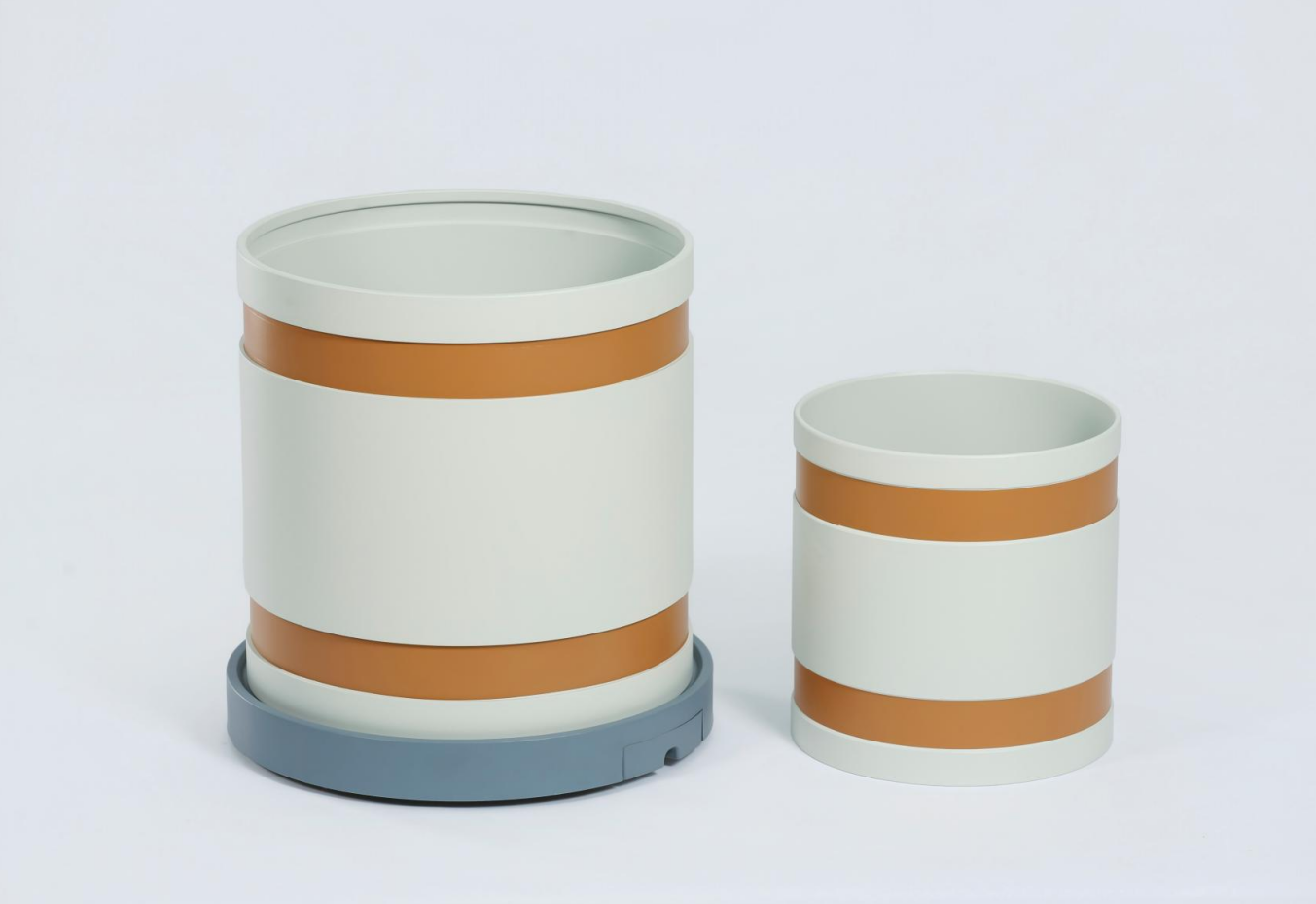
An aluminum garden pot offers far more than aesthetic appeal for your outdoor space. The material itself plays a critical role in creating an environment where plants thrive, and understanding how an aluminum garden pot supports healthy plant development begins with recognizing its unique physical and chemical properties. When you invest in an aluminum garden pot, you're choosing a container designed to address the most fundamental needs of plant growth: proper drainage, stable temperature regulation, and long-term durability that prevents soil contamination.
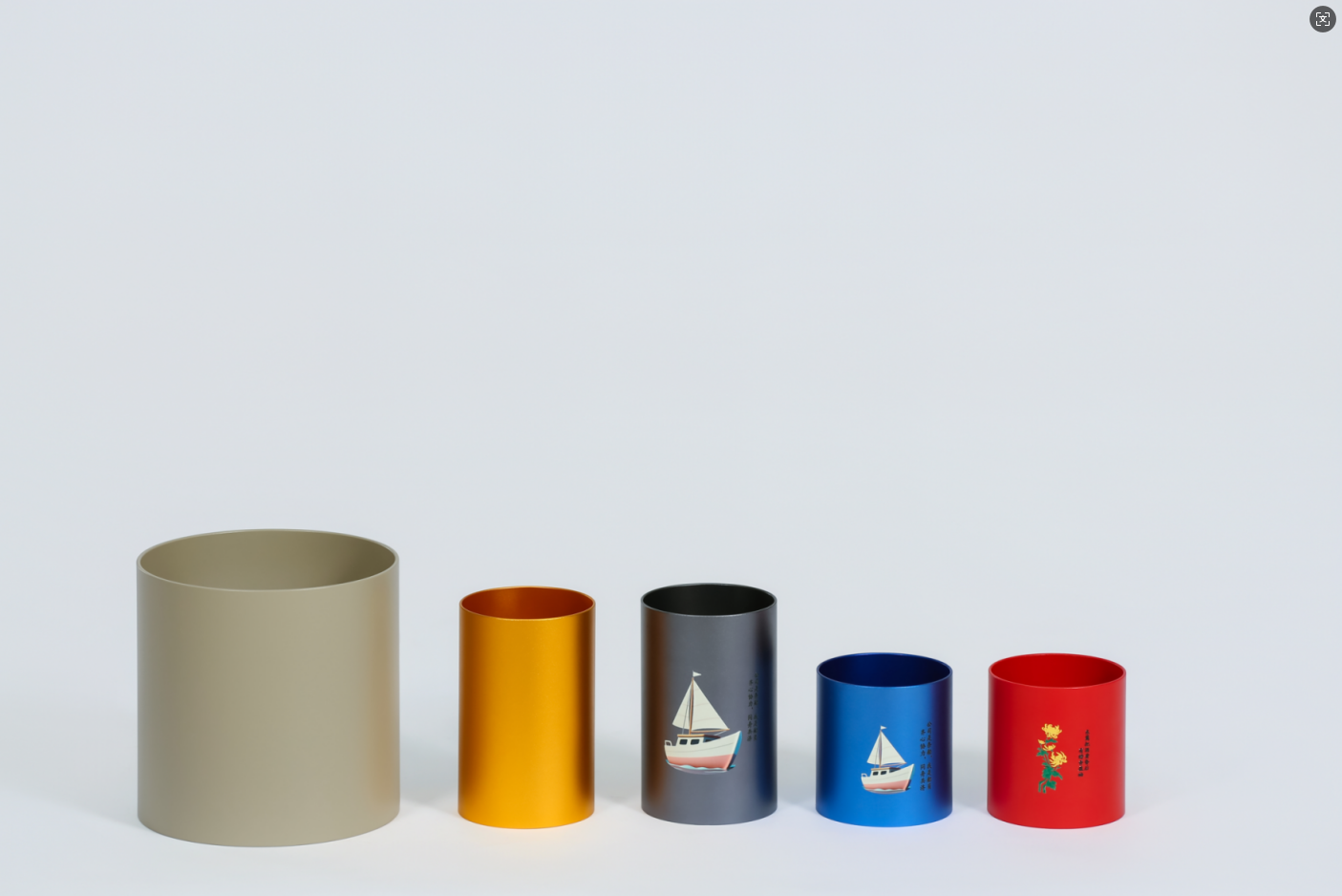
The relationship between container choice and plant health cannot be overstated. An aluminum garden pot creates stable growing conditions that reduce plant stress, support consistent moisture management, and enable roots to access oxygen without waterlogging. Whether you're cultivating ornamental plants, herbs, or vegetables, the right aluminum garden pot becomes the foundation upon which successful growth depends.
Drainage Excellence and Root Health
How Aluminum Containers Prevent Waterlogging
Waterlogging is one of the leading causes of plant failure in container gardening. When soil remains saturated for extended periods, roots cannot access oxygen, leading to root rot and fungal diseases. An aluminum garden pot addresses this challenge through several mechanisms. The material itself doesn't absorb water like ceramic or untreated wood, which means moisture exits only through drainage holes you've intentionally created or that come pre-installed in quality designs. This precision prevents the slow moisture wicking that occurs with porous materials, ensuring that an aluminum garden pot maintains predictable, controlled moisture levels throughout the growing season.
The structural properties of aluminum also allow manufacturers to design efficient drainage systems within an aluminum garden pot. Many models feature elevated floor designs, integrated drainage channels, or perforated bottoms that facilitate rapid water movement away from the root zone. This engineering distinction means that an aluminum garden pot delivers superior drainage performance compared to containers made from materials that absorb and retain water. Plants in an aluminum garden pot experience fewer waterlogging episodes, which directly translates to stronger root systems and healthier overall growth.
Supporting Oxygen Availability in Soil
Root respiration depends on consistent oxygen availability in the soil profile. When an aluminum garden pot maintains proper drainage and prevents standing water, it simultaneously ensures that air spaces within the growing medium remain open and accessible to root cells. This aerobic environment supports beneficial microbial activity, nutrient availability, and efficient water uptake by plant roots. An aluminum garden pot's non-porous nature means water leaves the container completely rather than lingering in the container walls, which preserves soil aeration and supports the biological processes that sustain plant health.
The correlation between drainage quality and root development is well-established in horticultural science. Plants grown in an aluminum garden pot typically develop more robust root systems because they experience consistent aeration without the compression or decay that occurs in waterlogged conditions. This stronger root foundation directly supports increased nutrient uptake, improved water transport, and enhanced plant vigor visible in foliage growth and flowering performance.
Temperature Regulation and Environmental Stability
Thermal Properties of Aluminum for Root Protection
Soil temperature significantly influences root metabolic activity, nutrient availability, and plant stress responses. An aluminum garden pot moderates temperature fluctuations through its thermal conductivity and reflective surface properties. Unlike dark ceramic or dark plastic containers that absorb and retain intense solar heat, an aluminum garden pot reflects much of the sun's radiation, keeping soil temperatures in a more moderate range during peak summer conditions. This temperature stability prevents the root stress that occurs when soil becomes excessively hot, which can damage delicate root tissues and inhibit nutrient absorption.
Conversely, an aluminum garden pot also provides some insulation during cooler seasons or at night, moderating the temperature drops that stress plants sensitive to cold. This buffering effect creates a more consistent growing environment where plants spend less energy responding to thermal stress and more energy on productive growth. The result is visible in more consistent plant development throughout the season when using an aluminum garden pot compared to containers with more extreme temperature fluctuations.
Seasonal Transition Benefits
Spring and autumn present particular challenges for container plants because rapid temperature changes can shock plant roots and interrupt growth cycles. An aluminum garden pot's thermal properties help smooth these transitions. The container doesn't heat up as rapidly as dark plastic containers in spring, reducing the risk of encouraging premature new growth before the danger of frost passes. Similarly, an aluminum garden pot cools more gradually in autumn, giving plants a more gradual acclimatization to cooler conditions rather than the shock of rapid temperature drops that can damage newly hardened foliage.
This environmental stability provided by an aluminum garden pot is particularly valuable for plants being transitioned between indoor and outdoor growing environments. The moderate temperature behavior of aluminum means plants experience less physiological stress during these moves, resulting in better acclimation rates and fewer instances of leaf drop or growth interruption that occur with more thermally extreme container materials.
Material Durability and Long-Term Plant Health
Corrosion Resistance and Container Longevity
The lifespan of your growing container directly affects your ability to maintain consistent growing conditions for your plants. An aluminum garden pot, especially one with proper powder coating or anodized finish, resists corrosion and weathering far better than untreated metals or materials that degrade in outdoor environments. This durability means your aluminum garden pot maintains its structural integrity season after season, continuing to provide reliable drainage, stable support, and consistent growing conditions without deterioration that could compromise plant health.
When containers degrade, they release degradation products into the soil that can accumulate to toxic levels or alter soil chemistry in ways that stress plants. Conversely, an aluminum garden pot's chemical stability means it doesn't leach harmful substances into your growing medium. This inert quality preserves the chemical balance of your soil, allowing you to control nutrient and mineral levels precisely through your amendment strategy rather than dealing with unexpected contamination from container materials.
Preventing Material Breakdown and Soil Contamination
Some container materials break down over time, releasing particles or compounds into the soil that accumulate with each growing season. An aluminum garden pot avoids this problem entirely through its inherent chemical stability. The surface remains intact and inert, providing a clean growing environment where soil composition depends entirely on what you intentionally add rather than uncontrolled contributions from the container itself. This consistency is particularly important when growing edible plants or sensitive ornamentals where soil contamination could affect plant safety or growth performance.
The long-term reliability of an aluminum garden pot also means you can use the same container year after year without worrying that material degradation is creating new stress factors for your plants. This predictability supports better record-keeping, more effective care strategies, and ultimately more reliable plant development across multiple growing cycles.
FAQ
Does an aluminum garden pot affect soil pH?
No, properly finished aluminum containers do not alter soil pH. An aluminum garden pot with powder coating or anodized protection remains chemically inert and does not leach ions or compounds that would shift pH levels. Your soil pH depends entirely on your growing medium and amendment choices, not on the container material. This chemical neutrality makes an aluminum garden pot an excellent choice for precise soil management.
Can an aluminum garden pot work for all plant types?
An aluminum garden pot works well for most plants, but specific suitability depends on drainage design and depth. Shallow-rooted plants, herbs, and vegetables thrive in most aluminum garden pot configurations. Plants requiring very deep root runs or specialized drainage profiles may need specific aluminum garden pot styles designed for those requirements. Always verify that your aluminum garden pot's depth and drainage capacity match your plant species' specific needs.
How does an aluminum garden pot compare to other materials for plant health?
An aluminum garden pot outperforms many alternatives in drainage control, temperature stability, and long-term durability. While ceramic containers offer aesthetic value, they're heavier and more prone to temperature extremes. Plastic containers are affordable but degrade in sunlight and absorb heat excessively. An aluminum garden pot balances durability, weight, thermal properties, and performance in ways that consistently support healthy plant development across diverse gardening conditions.