designing aluminum extrusions
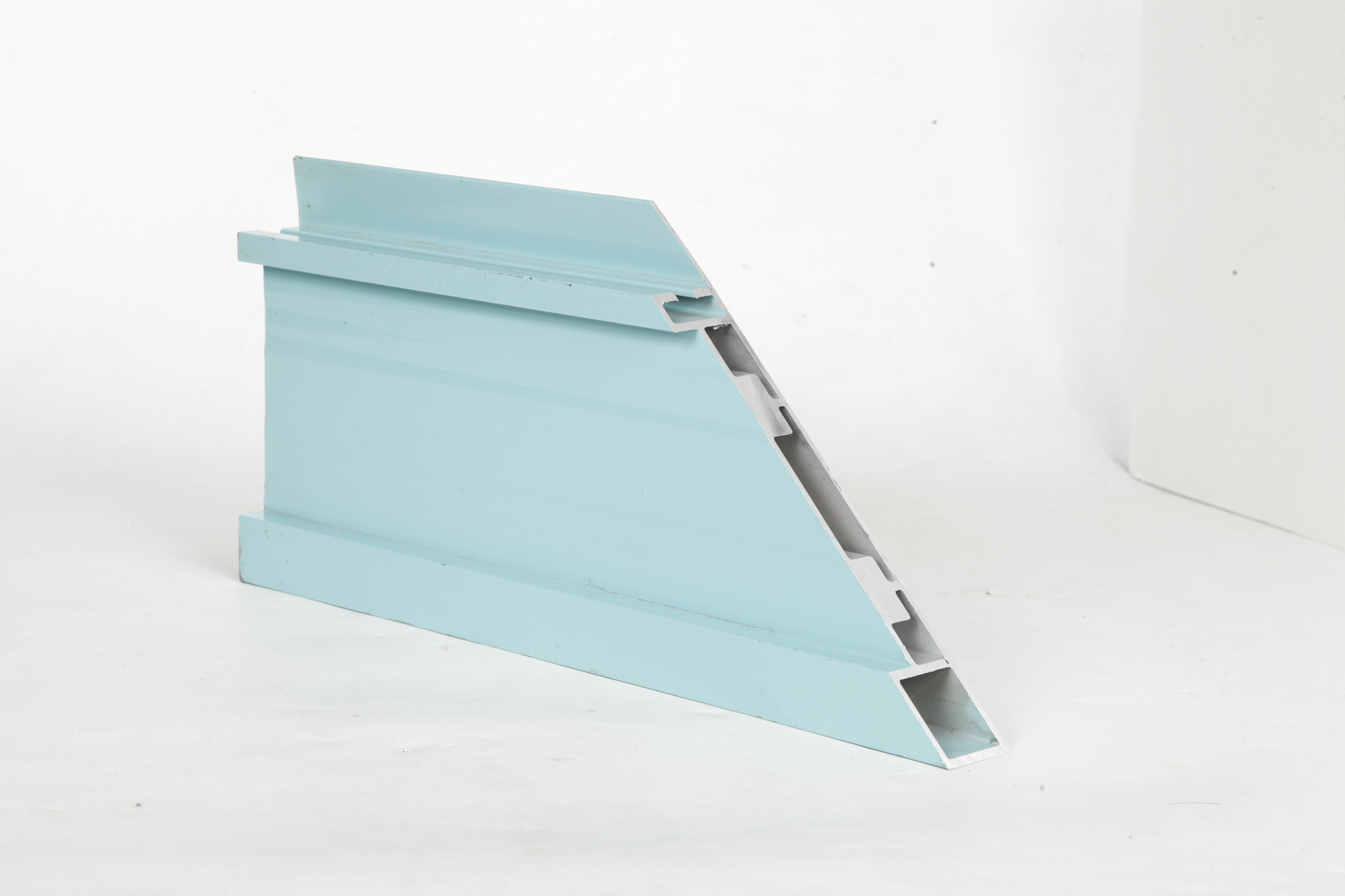
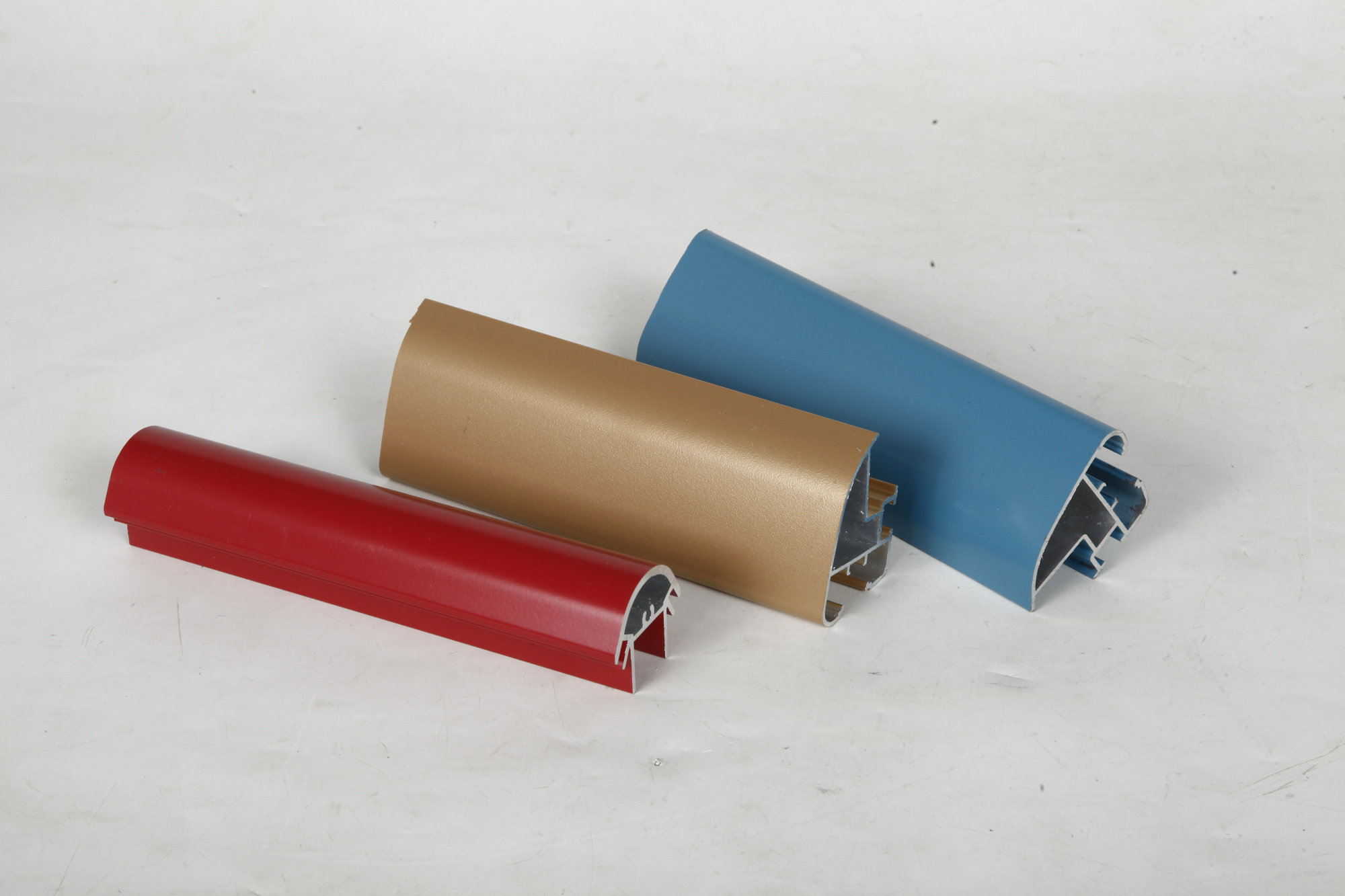
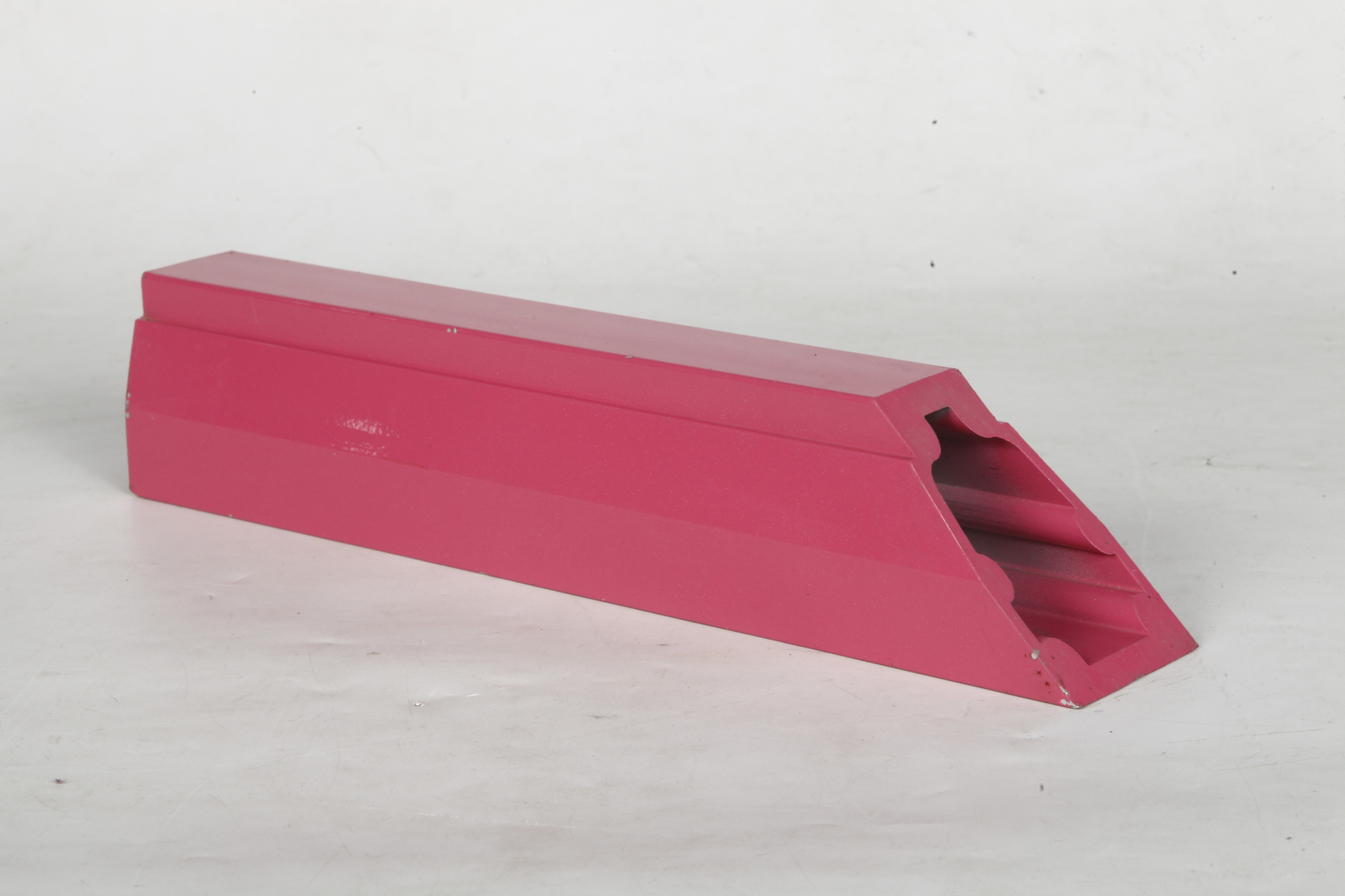
Designing aluminum extrusions is a sophisticated engineering process that transforms raw aluminum into custom-shaped profiles tailored to specific industrial and commercial applications. This manufacturing method involves forcing heated aluminum billets through precision-engineered dies to create continuous profiles with consistent cross-sections. The process enables manufacturers to produce complex shapes that would be impossible or cost-prohibitive using traditional fabrication methods. Designing aluminum extrusions requires careful consideration of material properties, structural requirements, thermal dynamics, and manufacturing constraints to achieve optimal performance. The technology combines computer-aided design software with advanced metallurgy knowledge to develop profiles that meet exact specifications. Engineers can create hollow sections, intricate internal channels, and integrated fastening features within a single extrusion, eliminating the need for multiple components and assembly operations. The versatility of designing aluminum extrusions makes it indispensable across transportation, construction, electronics, and renewable energy sectors. Modern extrusion design incorporates finite element analysis to predict structural behavior under various load conditions, ensuring safety and reliability. The process also allows for tight dimensional tolerances, excellent surface finishes, and the integration of functional features such as thermal breaks, snap-fit connections, and cable management channels. With aluminum's natural corrosion resistance and recyclability, designing aluminum extrusions supports sustainable manufacturing practices while delivering lightweight yet strong structural solutions that enhance product performance and reduce overall system costs.