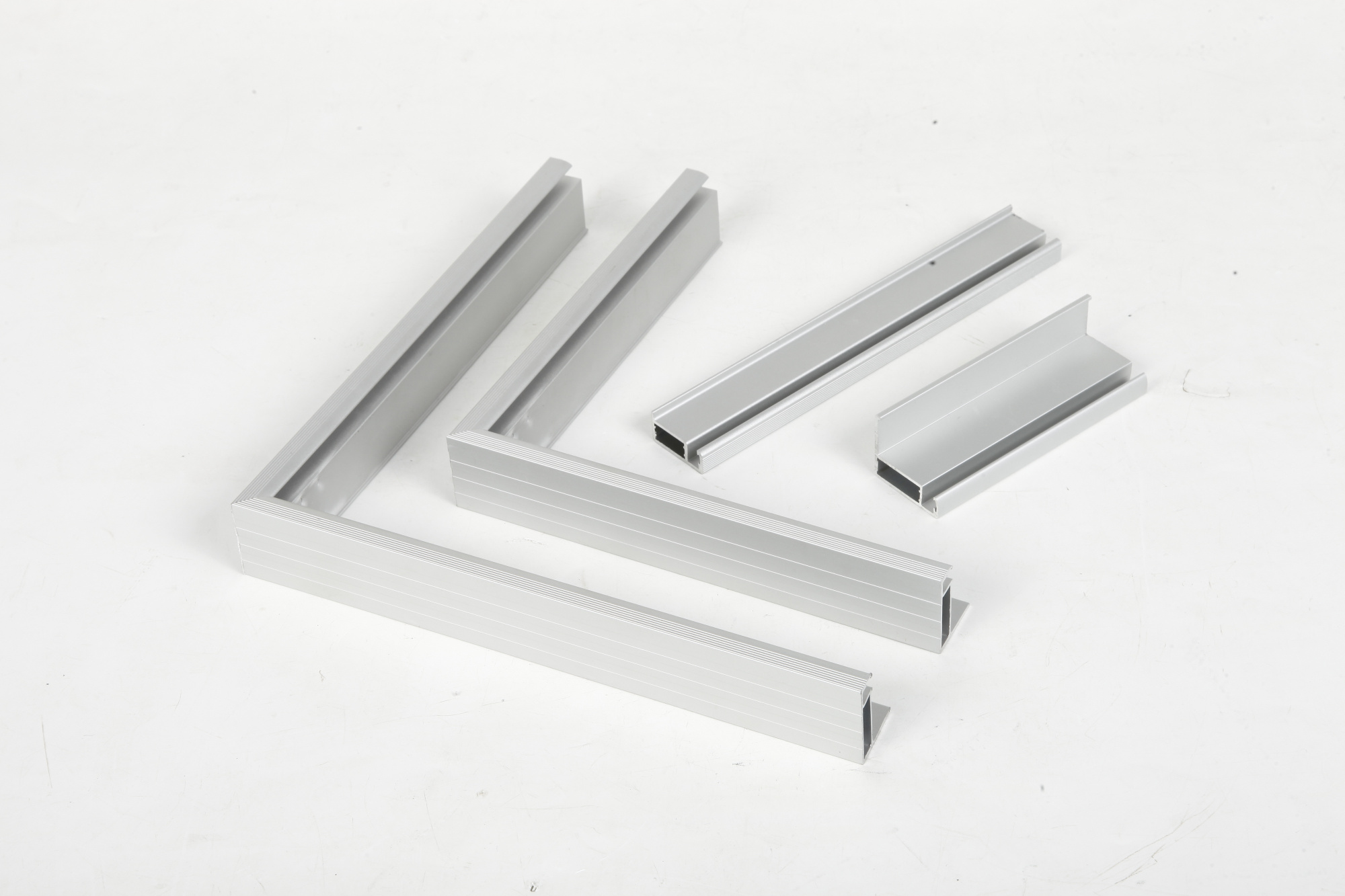
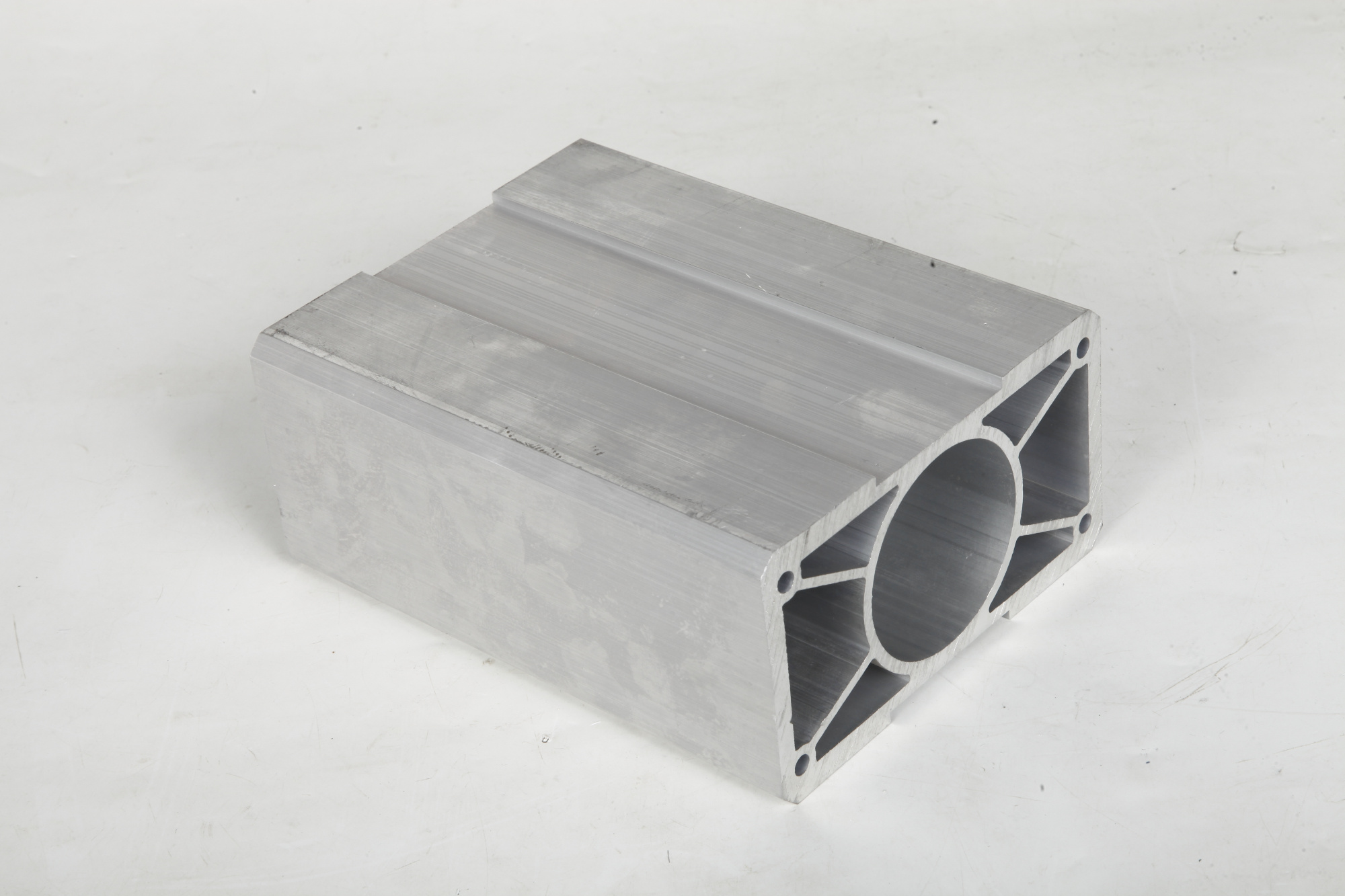
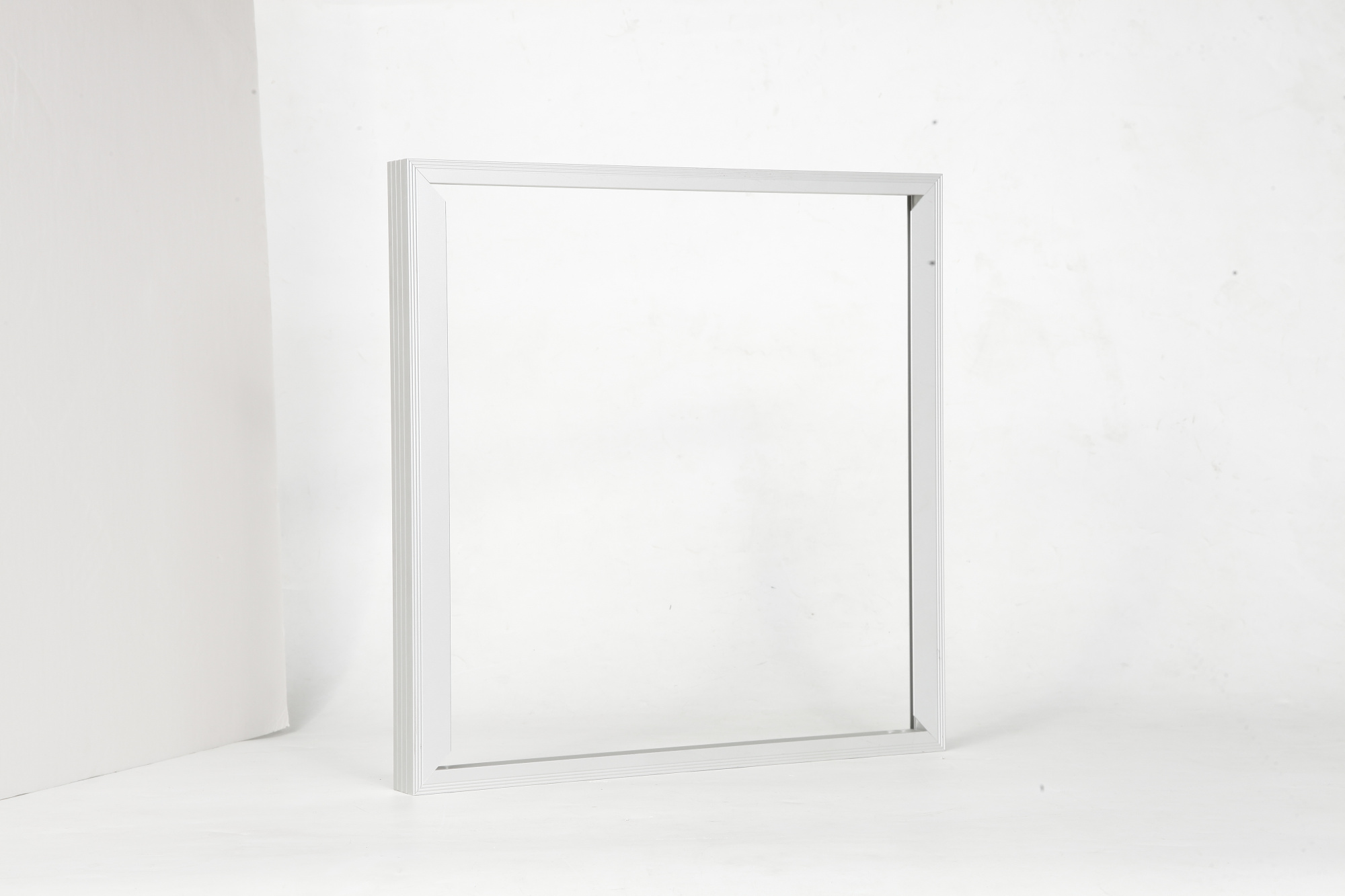
anodized aluminum profile
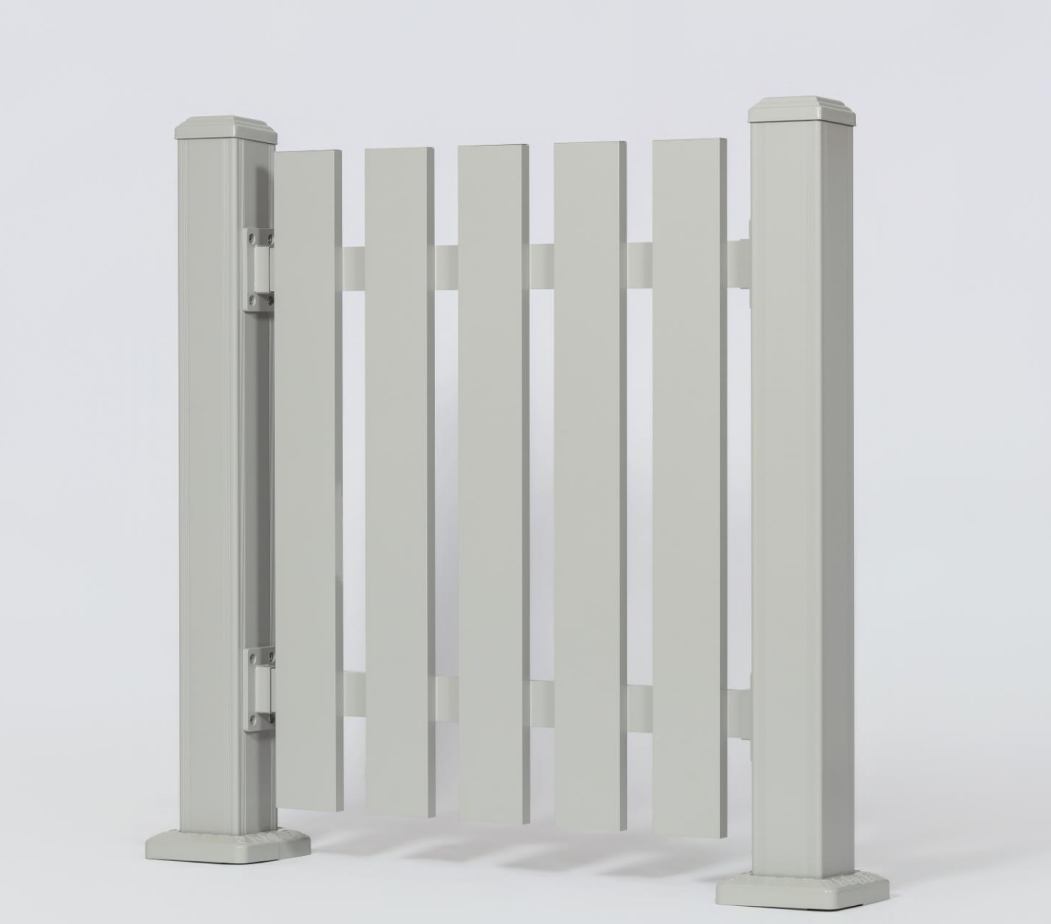
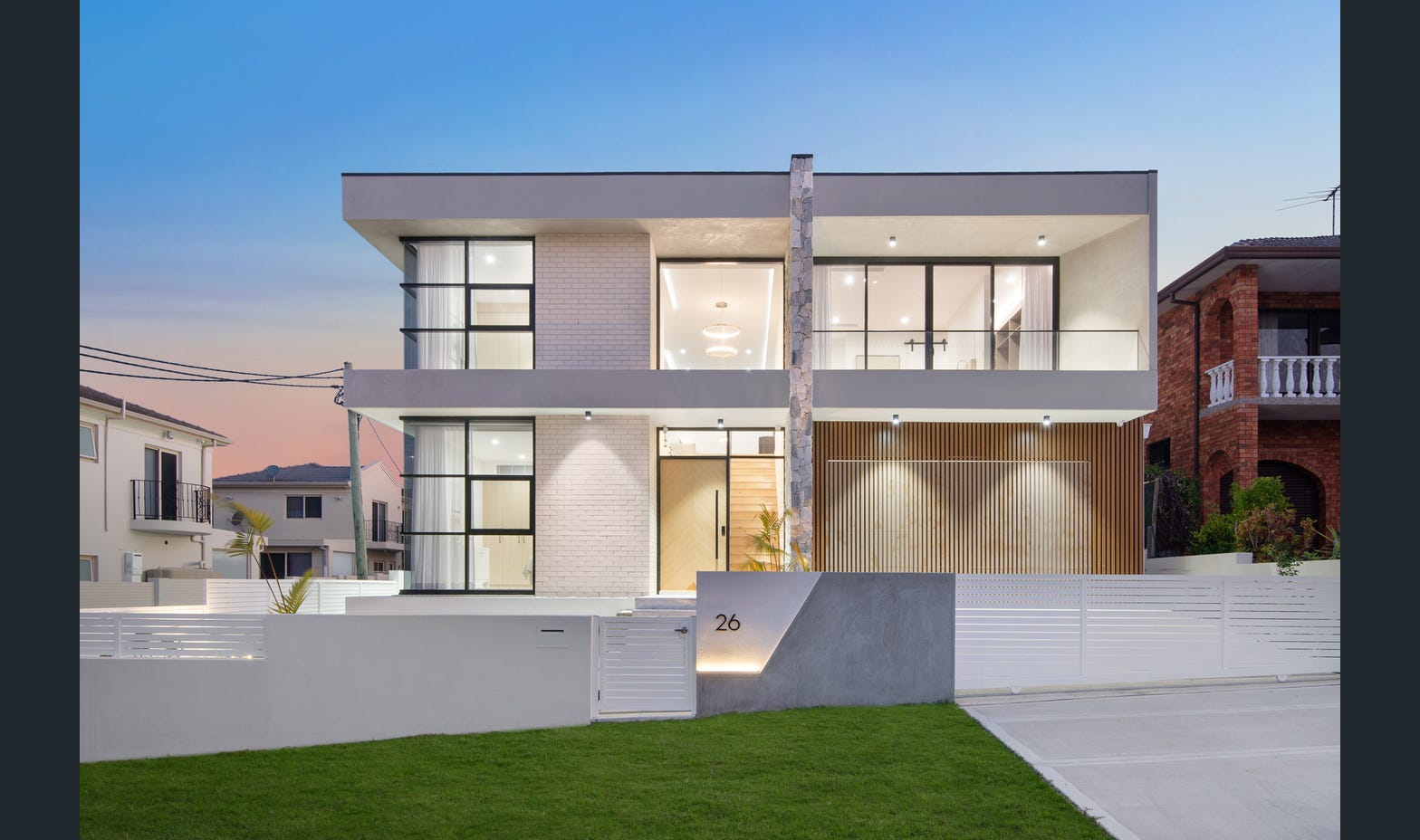
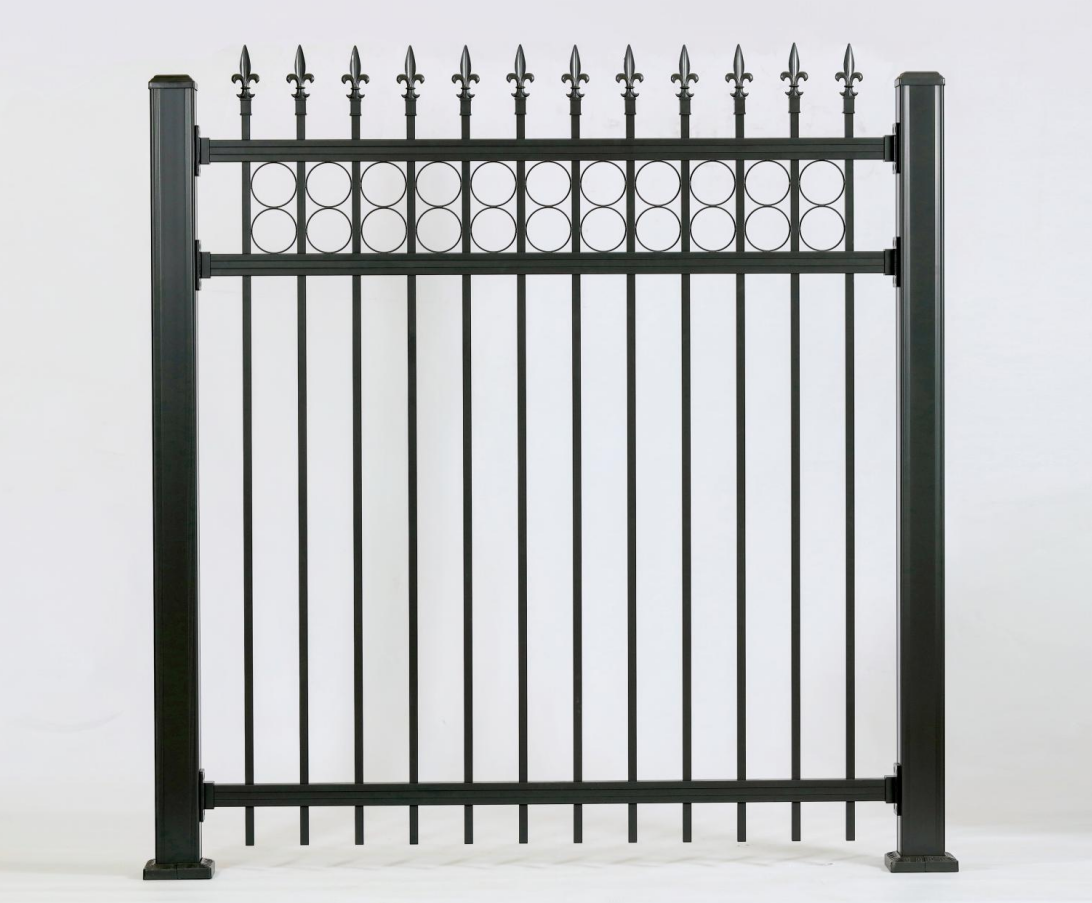
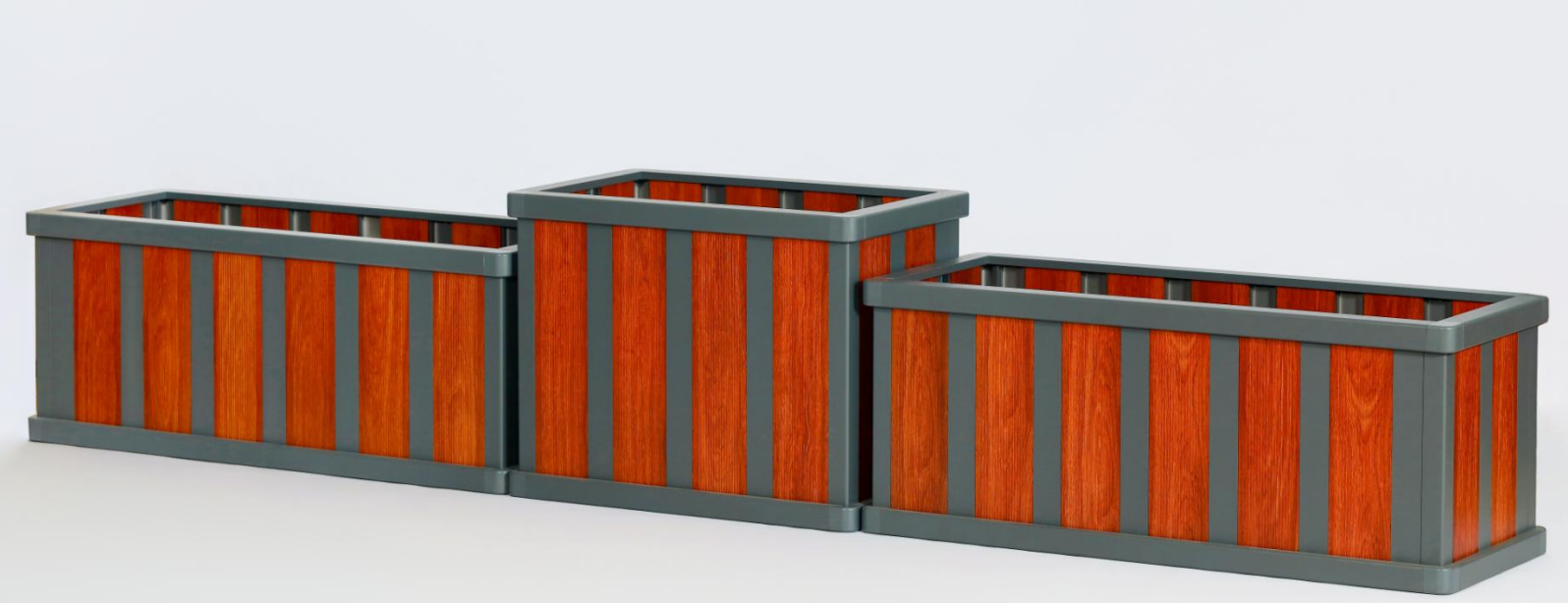
An anodized aluminum profile is a specially treated aluminum extrusion that undergoes an electrochemical process to enhance its surface properties and performance characteristics. This manufacturing technique creates a protective oxide layer on the aluminum surface, transforming standard aluminum profiles into durable, corrosion-resistant components suitable for demanding applications. The anodizing process involves immersing the aluminum profile in an acid electrolyte bath and passing an electric current through the medium, causing oxidation that forms a hard, porous layer bonded integrally to the metal substrate. This anodized aluminum profile offers superior protection compared to untreated aluminum, making it ideal for both interior and exterior applications. The technological features include exceptional resistance to weathering, enhanced surface hardness that prevents scratching and wear, and improved adhesion for subsequent finishing treatments. The porous nature of the anodized layer allows for coloring through dye absorption, providing aesthetic versatility alongside functional benefits. Applications span across architectural frameworks, window and door systems, industrial machinery components, automotive trim, electronics enclosures, and consumer products. The anodized aluminum profile maintains the lightweight characteristics of aluminum while delivering enhanced durability, making it a preferred choice in construction, transportation, and manufacturing sectors where strength-to-weight ratio and longevity are critical factors.