aluminum extrusion cost
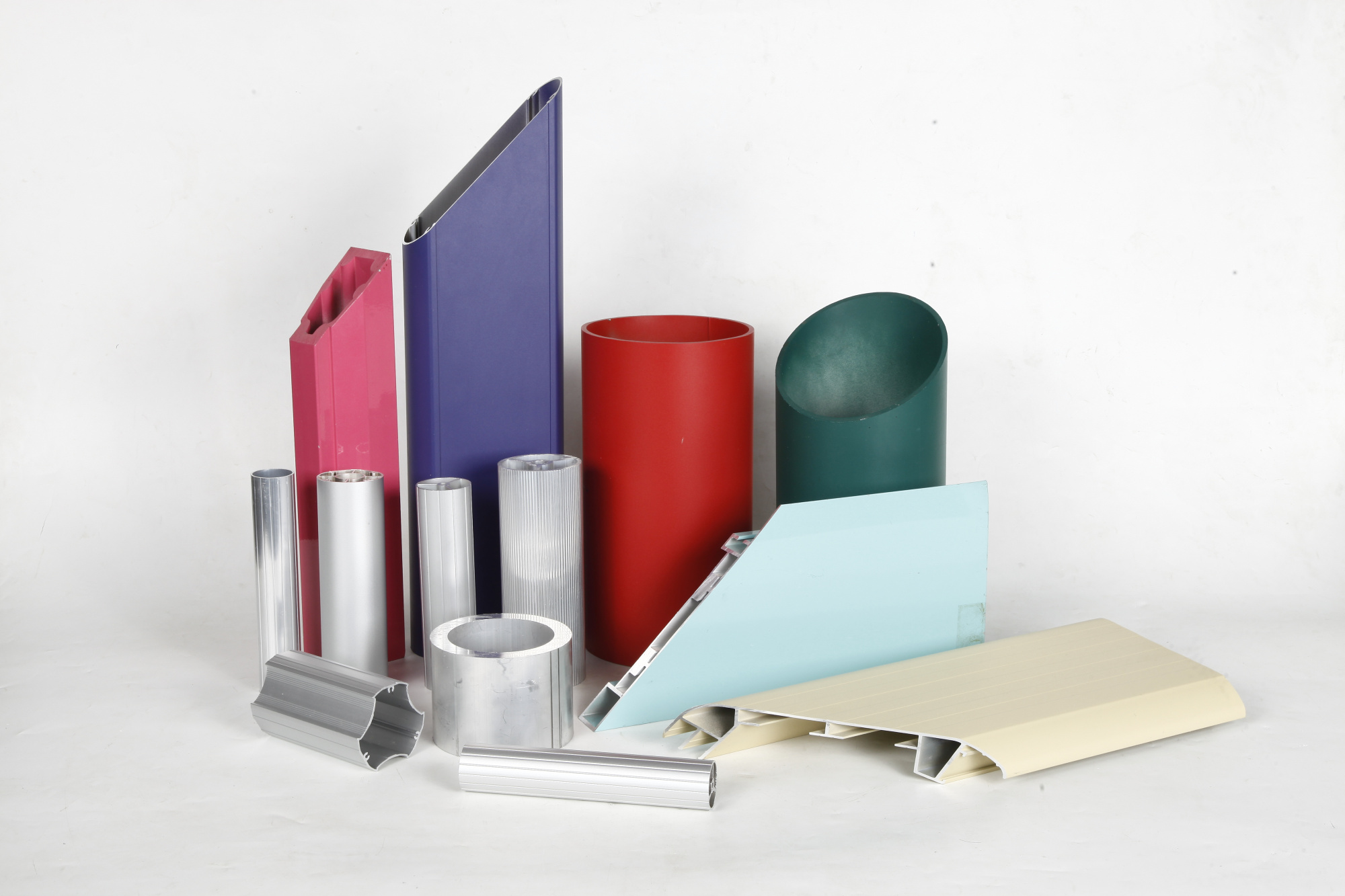
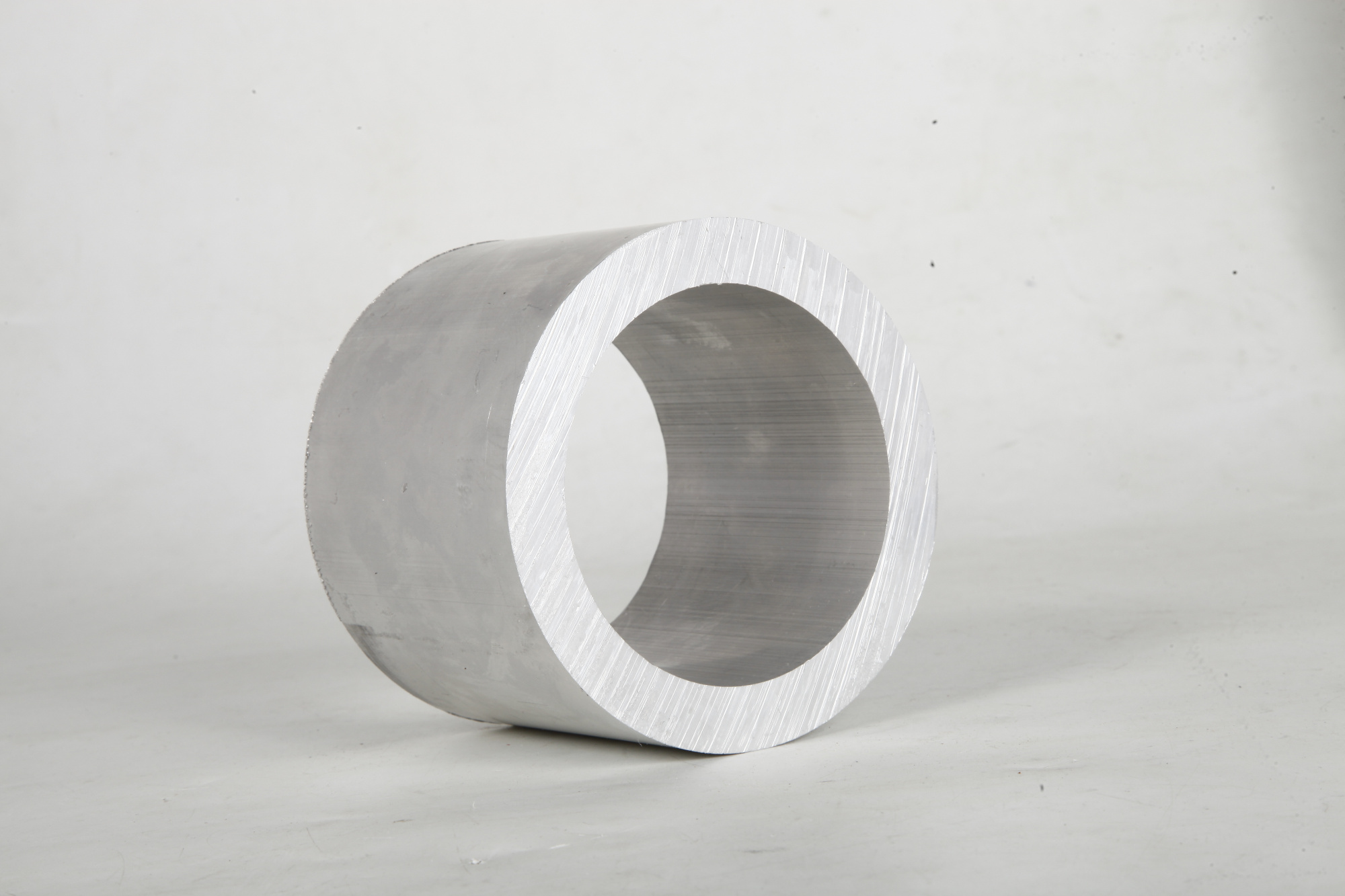
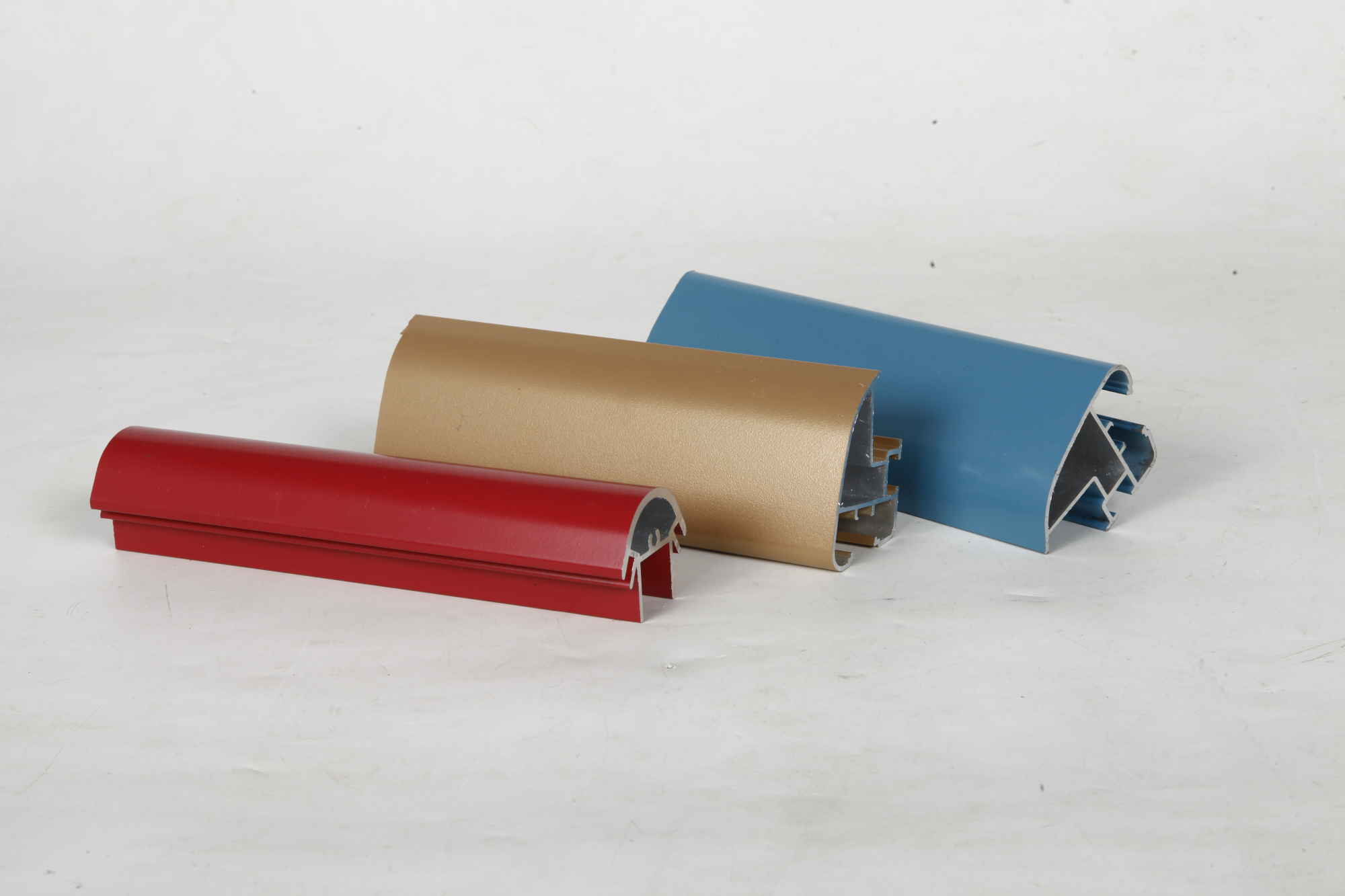
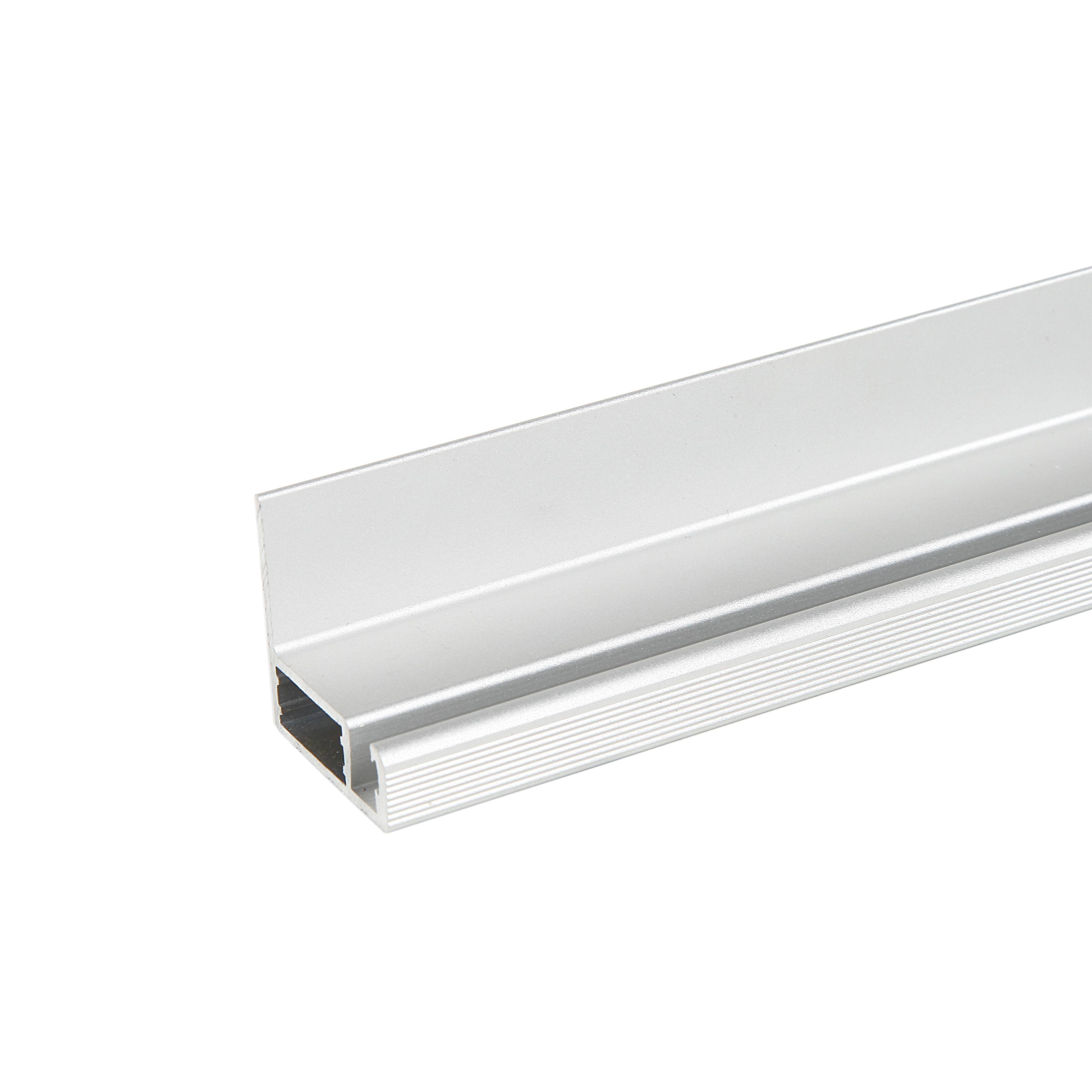
Understanding aluminum extrusion cost is essential for manufacturers and businesses seeking efficient metal fabrication solutions. Aluminum extrusion is a manufacturing process where heated aluminum alloy is forced through a shaped die to create complex cross-sectional profiles. The aluminum extrusion cost encompasses various factors including material expenses, tooling fees, production volume, profile complexity, and finishing requirements. This versatile process enables the creation of lightweight yet durable components used across multiple industries. The main functions include producing custom shapes, creating structural components, and manufacturing parts with precise tolerances. Technological features of aluminum extrusion include the ability to integrate multiple functions into single profiles, incorporate hollow sections for weight reduction, and achieve tight dimensional accuracy. The process supports both simple and intricate designs, from basic angles to sophisticated multi-cavity profiles. Applications span construction, automotive, aerospace, electronics, and consumer goods sectors. The aluminum extrusion cost varies based on alloy selection, with 6061 and 6063 being common choices offering different strength and formability characteristics. Surface treatments like anodizing, powder coating, or painting add to overall expenses but enhance corrosion resistance and aesthetics. Understanding these cost components helps buyers make informed decisions when planning projects, optimizing designs for manufacturability, and selecting appropriate specifications that balance performance requirements with budget constraints.