Standard Aluminum Extrusion Profiles Guide

Get a Free Quote

Our representative will contact you soon.
Email
Mobile/WhatsApp
Name
Company Name
Message
0/1000

standard aluminum extrusion profiles

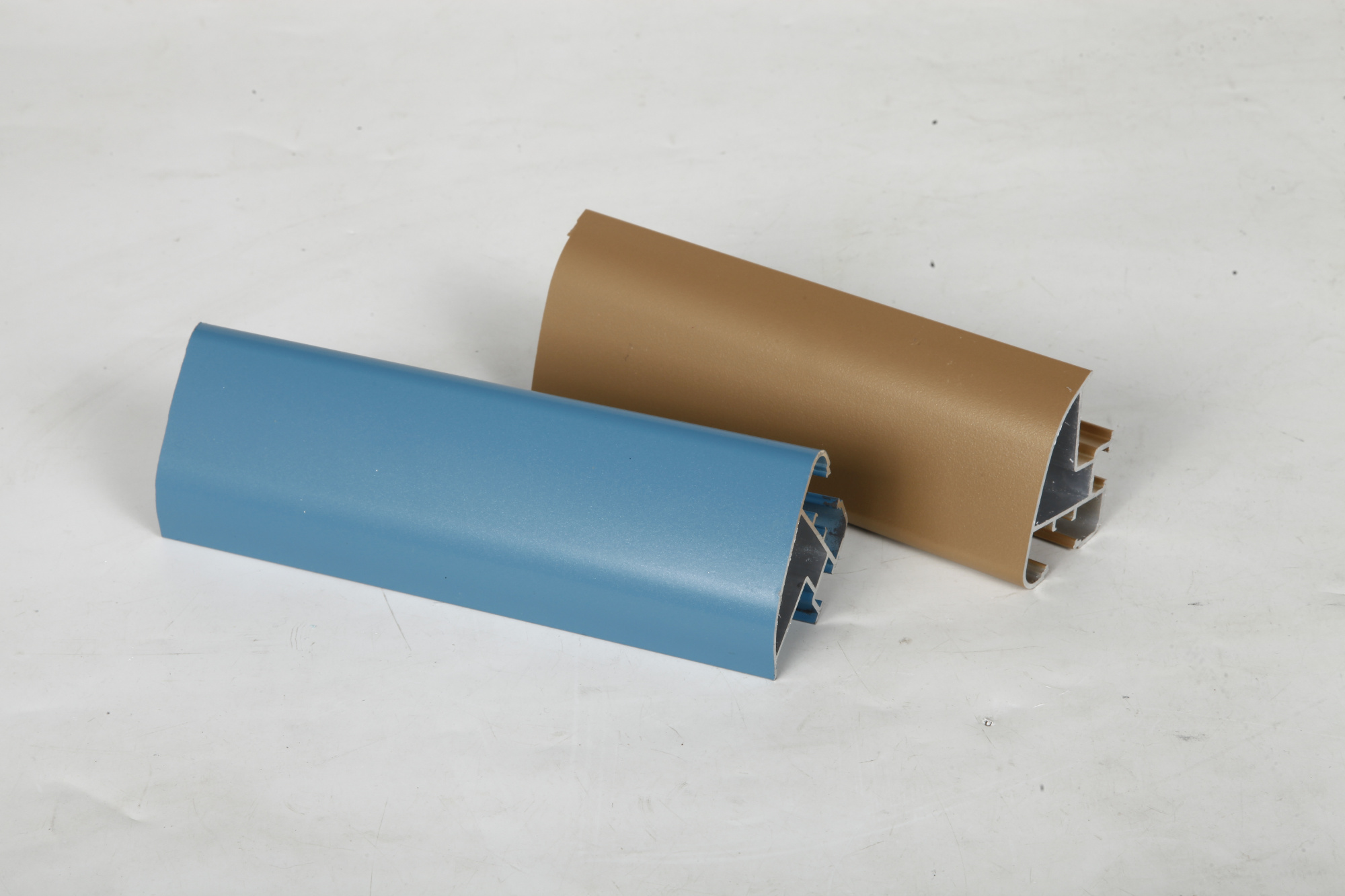
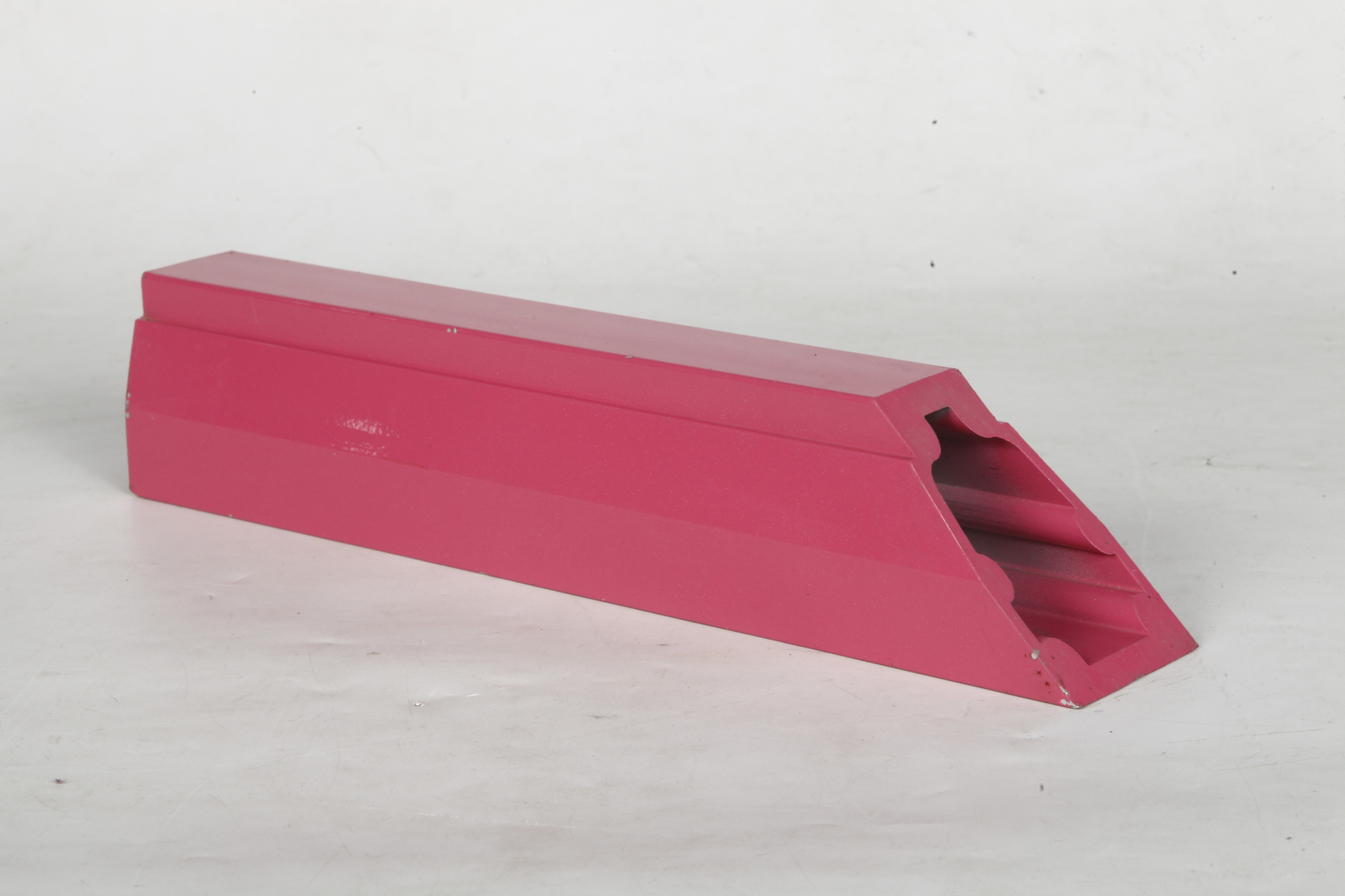
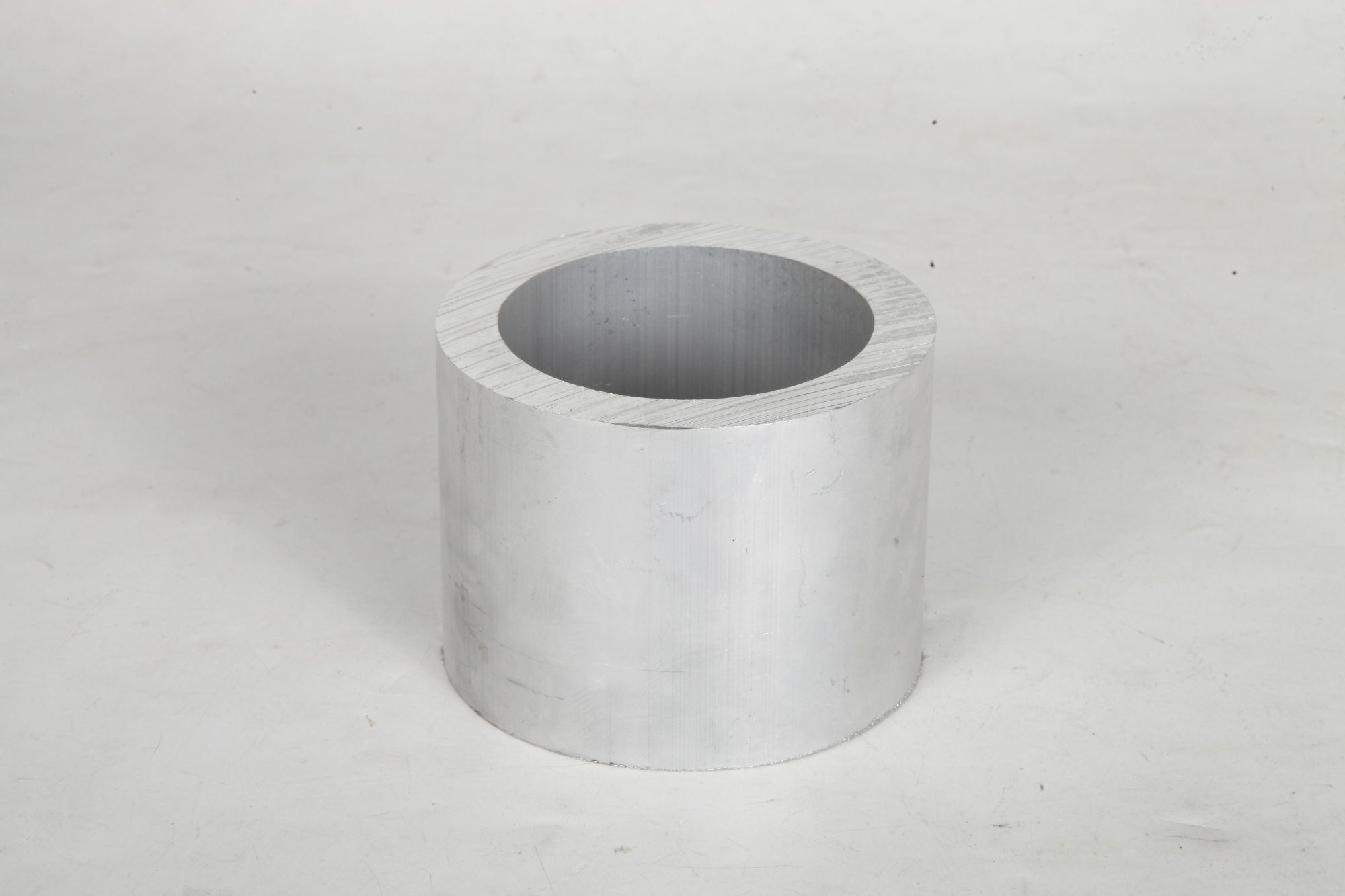
Standard aluminum extrusion profiles are versatile structural components manufactured through a precision extrusion process that pushes heated aluminum alloy through shaped dies to create consistent cross-sectional shapes. These profiles serve as fundamental building blocks across countless industries, offering exceptional strength-to-weight ratios and design flexibility. The main functions of standard aluminum extrusion profiles include providing structural support, creating frameworks, enabling modular assembly systems, and facilitating rapid prototyping. Technologically, these profiles feature standardized dimensions and specifications that ensure compatibility across projects and manufacturers. The extrusion process allows for complex hollow and solid geometries with tight tolerances, while post-processing options like anodizing and powder coating enhance durability and appearance. Standard aluminum extrusion profiles are widely used in construction for window frames, curtain walls, and architectural elements. Manufacturing facilities rely on them for conveyor systems, machine guards, and workstation assemblies. The electronics industry utilizes these profiles for heat sinks and equipment enclosures, while transportation sectors incorporate them into vehicle structures and rail systems. Automation and robotics applications benefit from their modular nature, allowing engineers to quickly assemble frames and structures. The standardization aspect means these profiles are readily available in common shapes including T-slots, angles, channels, tubes, and custom configurations, making them ideal for both off-the-shelf solutions and specialized applications requiring consistent quality and dimensional accuracy.

New Product Recommendations

Choosing standard aluminum extrusion profiles delivers immediate cost savings compared to custom fabrication because manufacturers produce them in high volumes with established tooling already in place. You avoid expensive die creation costs and lengthy lead times, allowing projects to move forward quickly. The lightweight nature of aluminum reduces shipping expenses and makes installation easier, cutting labor costs significantly during assembly. These profiles require minimal maintenance throughout their lifecycle since aluminum naturally resists corrosion without additional treatments, though surface finishing options remain available when aesthetics matter. The modular design philosophy behind standard aluminum extrusion profiles means you can easily modify, expand, or reconfigure structures as operational needs change, protecting your initial investment. This adaptability proves invaluable in dynamic manufacturing environments where production lines require frequent adjustments. From an operational perspective, the profiles arrive ready to use with compatible accessories like brackets, connectors, and fasteners widely available from multiple suppliers, eliminating vendor lock-in concerns. The material itself offers excellent thermal conductivity for heat dissipation applications while maintaining electrical insulation properties when anodized. Standard aluminum extrusion profiles suit applications ranging from lightweight display systems to heavy-duty industrial frameworks because various alloys and tempers provide different strength characteristics. The profiles machine easily, allowing you to drill, tap, and cut them with standard tools without specialized equipment. Decision-makers appreciate that standardization ensures replacement parts remain available years later, unlike proprietary systems that may become obsolete. The recyclability of aluminum aligns with sustainability goals, as the material retains value at end-of-life and can be reprocessed without quality degradation, supporting circular economy initiatives while reducing environmental impact.

Tips And Tricks

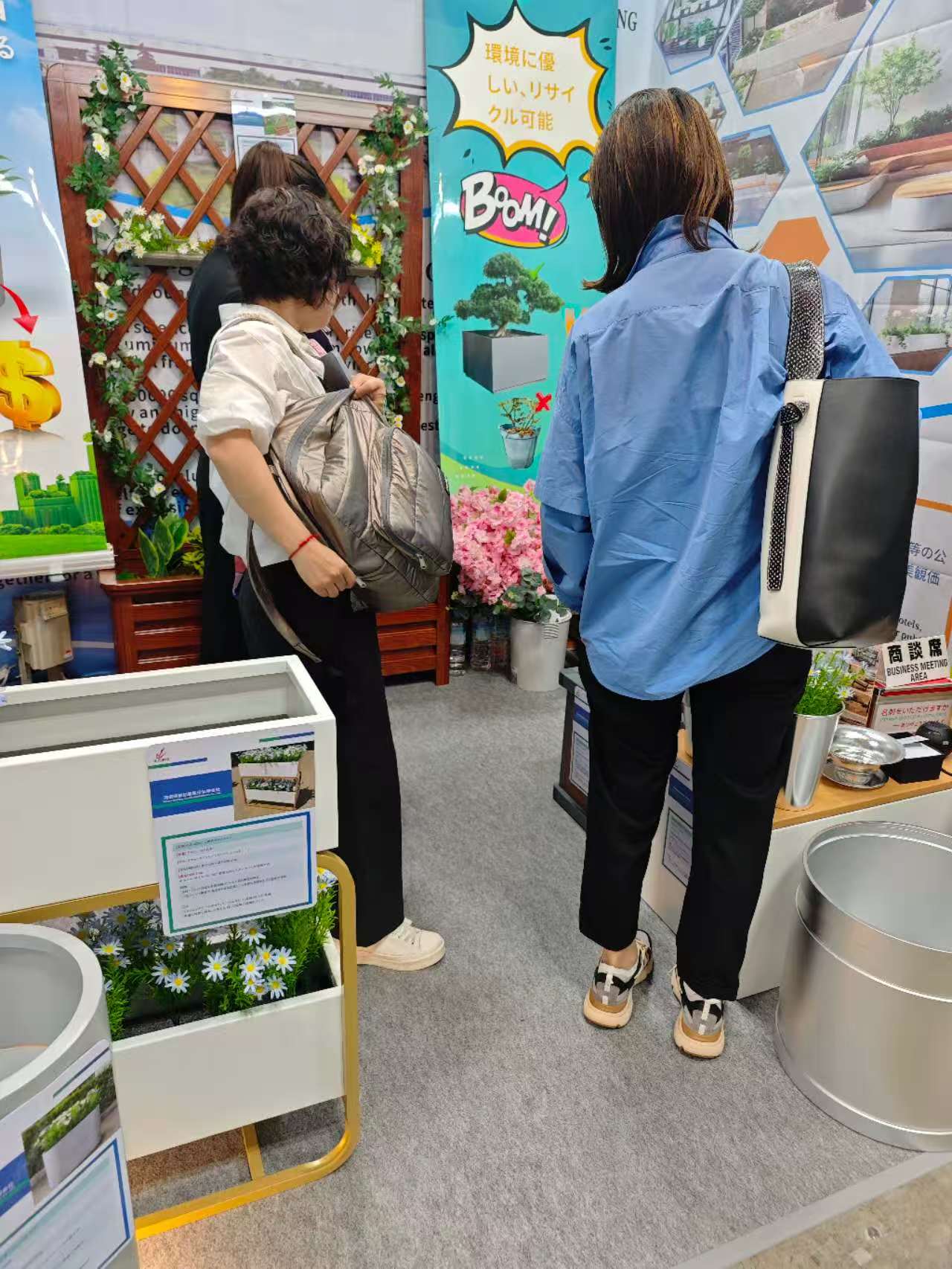
2025 Guangzhou Autumn Canton Fair Attend

06

May

2025 Guangzhou Autumn Canton Fair Attend

View More
New product Aluminum Guardrails With Safety Structure

06

May

New product Aluminum Guardrails With Safety Structure

View More
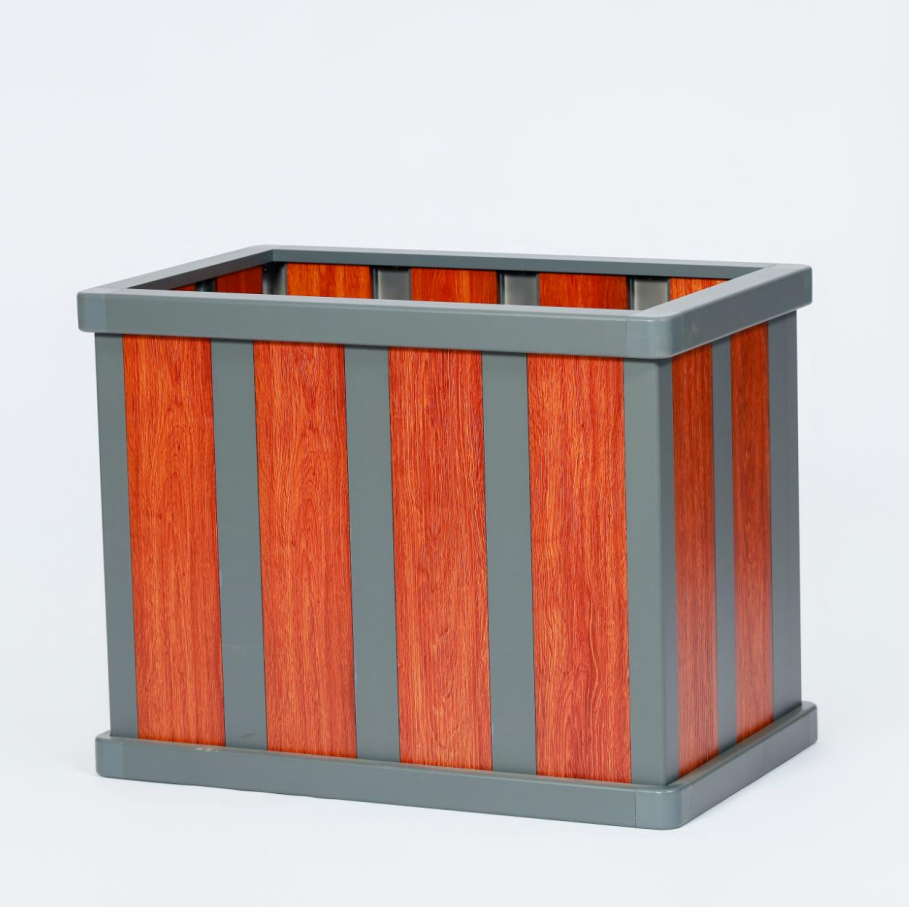
R&D Aluminum Planters & Flower Pots for Modern Outdoor & Indoor Use

06

May

R&D Aluminum Planters & Flower Pots for Modern Outdoor & Indoor Use

View More

Get a Free Quote

Our representative will contact you soon.
Email
Mobile/WhatsApp
Name
Company Name
Message
0/1000

standard aluminum extrusion profiles

Exceptional Structural Versatility and Design Freedom

Exceptional Structural Versatility and Design Freedom

Standard aluminum extrusion profiles provide unmatched versatility in structural design applications, enabling engineers and designers to create complex assemblies without welding or permanent fastening methods. The T-slot design featured in many standard aluminum extrusion profiles allows components to slide into position and lock securely using simple bolts and brackets, creating rigid structures that can be disassembled and reconfigured whenever requirements change. This characteristic proves particularly valuable in prototyping environments where designs evolve rapidly, and in production settings where seasonal product changeovers demand quick facility modifications. The profiles accommodate a wide range of panel materials, sensors, pneumatic components, and electrical conduits within their channels, creating clean installations that protect wiring and hoses from damage. Multiple profile sizes can be combined within single projects, scaling from delicate instrument frames to robust machine bases. The geometric precision maintained during extrusion ensures that components align accurately across long spans, critical for applications like linear motion systems and optical equipment mounting. Standard aluminum extrusion profiles eliminate the need for specialized metalworking skills, democratizing structural fabrication and enabling maintenance teams to make modifications independently without outsourcing to fabrication shops, reducing downtime and empowering operational flexibility.
Superior Strength-to-Weight Performance Characteristics

Superior Strength-to-Weight Performance Characteristics

The engineering advantages of standard aluminum extrusion profiles become evident when examining their strength-to-weight ratio, which surpasses most alternative materials in structural applications. Aluminum alloys used in these profiles deliver impressive load-bearing capabilities while weighing approximately one-third as much as equivalent steel structures, reducing foundation requirements and simplifying handling during installation. This weight advantage translates directly into cost savings for transportation applications where every kilogram affects fuel efficiency and payload capacity. The extrusion process creates optimal material distribution within profile cross-sections, positioning aluminum exactly where structural loads require support while minimizing unnecessary mass. Internal reinforcement ribs and carefully designed wall thicknesses maximize stiffness without adding excess weight. Standard aluminum extrusion profiles maintain their mechanical properties across temperature ranges encountered in most industrial and commercial environments, unlike plastics that soften under heat or become brittle in cold conditions. The material exhibits excellent fatigue resistance, enduring millions of loading cycles without failure in dynamic applications like conveyor systems and automated machinery. When properly specified, these profiles support substantial loads in tension, compression, and bending while their hollow geometries provide natural pathways for utilities, eliminating the need for separate cable management systems that add weight and complexity to installations.
Cost-Effective Implementation and Long-Term Value

Cost-Effective Implementation and Long-Term Value

Implementing standard aluminum extrusion profiles delivers compelling economic advantages throughout the entire project lifecycle, beginning with lower initial procurement costs compared to custom-manufactured alternatives. The widespread availability of these profiles from multiple suppliers creates competitive pricing while ensuring supply chain reliability even for large-scale projects. Standard aluminum extrusion profiles eliminate minimum order quantities that often burden custom extrusion projects, allowing you to purchase exactly what each application requires without excess inventory investment. Assembly labor costs decrease substantially because the profiles accept standard fasteners and accessories without custom fabrication, and non-specialized workers can complete installations using basic hand tools. The profiles arrive with protective films or finishes already applied, eliminating separate painting or coating steps that add time and expense to steel structures. Over operational lifespans, standard aluminum extrusion profiles require virtually no maintenance beyond occasional cleaning, contrasting sharply with steel frameworks that demand regular inspection and repainting to prevent rust. When modifications become necessary, the non-destructive assembly methods preserve component value, allowing profiles to be reused in different configurations rather than scrapped. Energy costs benefit from aluminum's thermal properties, as the material efficiently dissipates heat in electronics applications, reducing cooling requirements. The inherent recycling value of aluminum provides residual asset value at project end-of-life, offsetting disposal costs and supporting corporate sustainability reporting requirements.

Get a Free Quote

Our representative will contact you soon.
Email
Mobile/WhatsApp
Name
Company Name
Message
0/1000

Copyright © 2026 Huilong Aluminium Industry Co., LTD. All rights reserved.  -  Privacy policy