Aluminium Extrusion Cost Guide & Benefits

Get a Free Quote

Our representative will contact you soon.
Email
Mobile/WhatsApp
Name
Company Name
Message
0/1000

aluminium extrusion cost

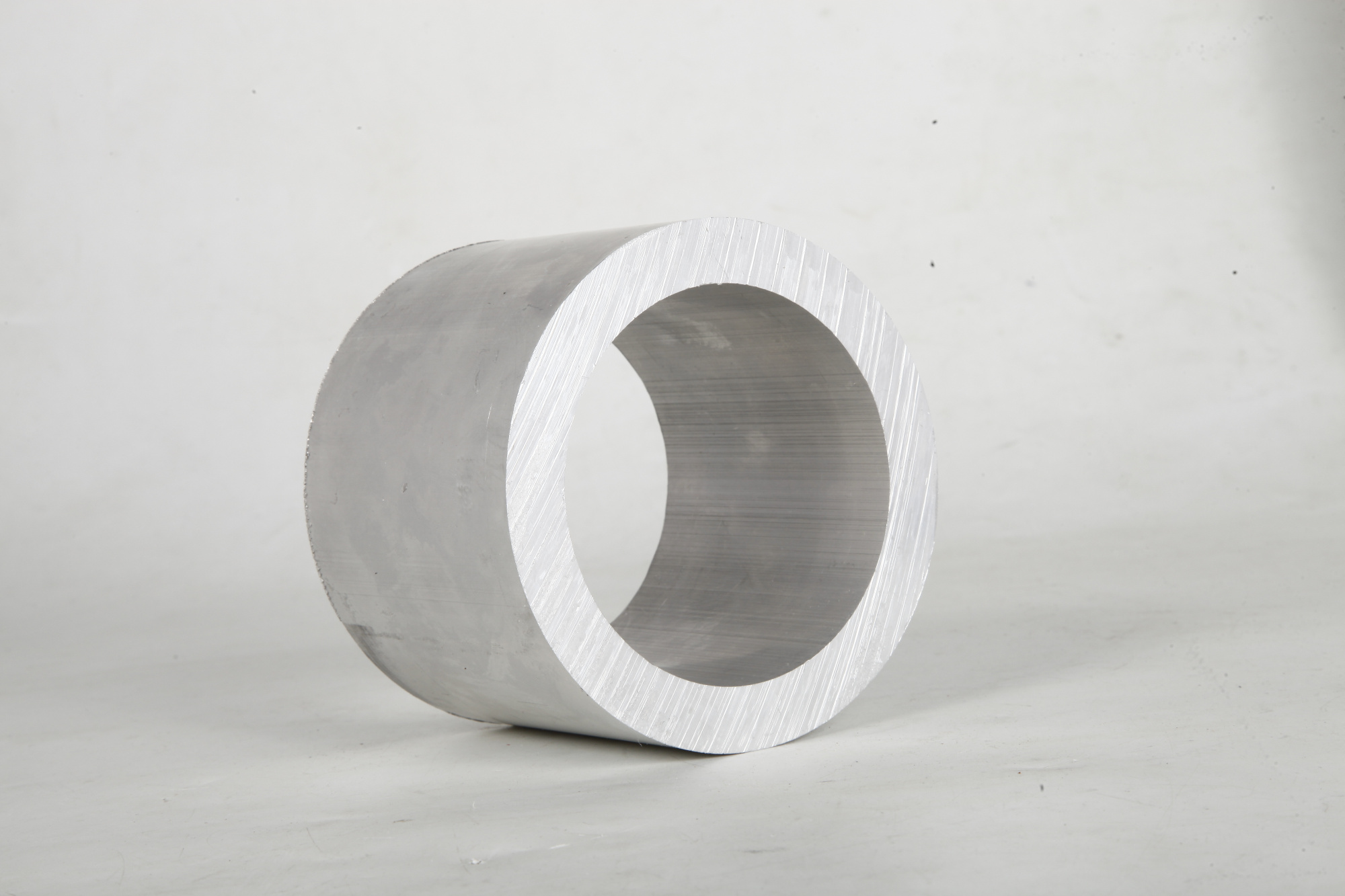
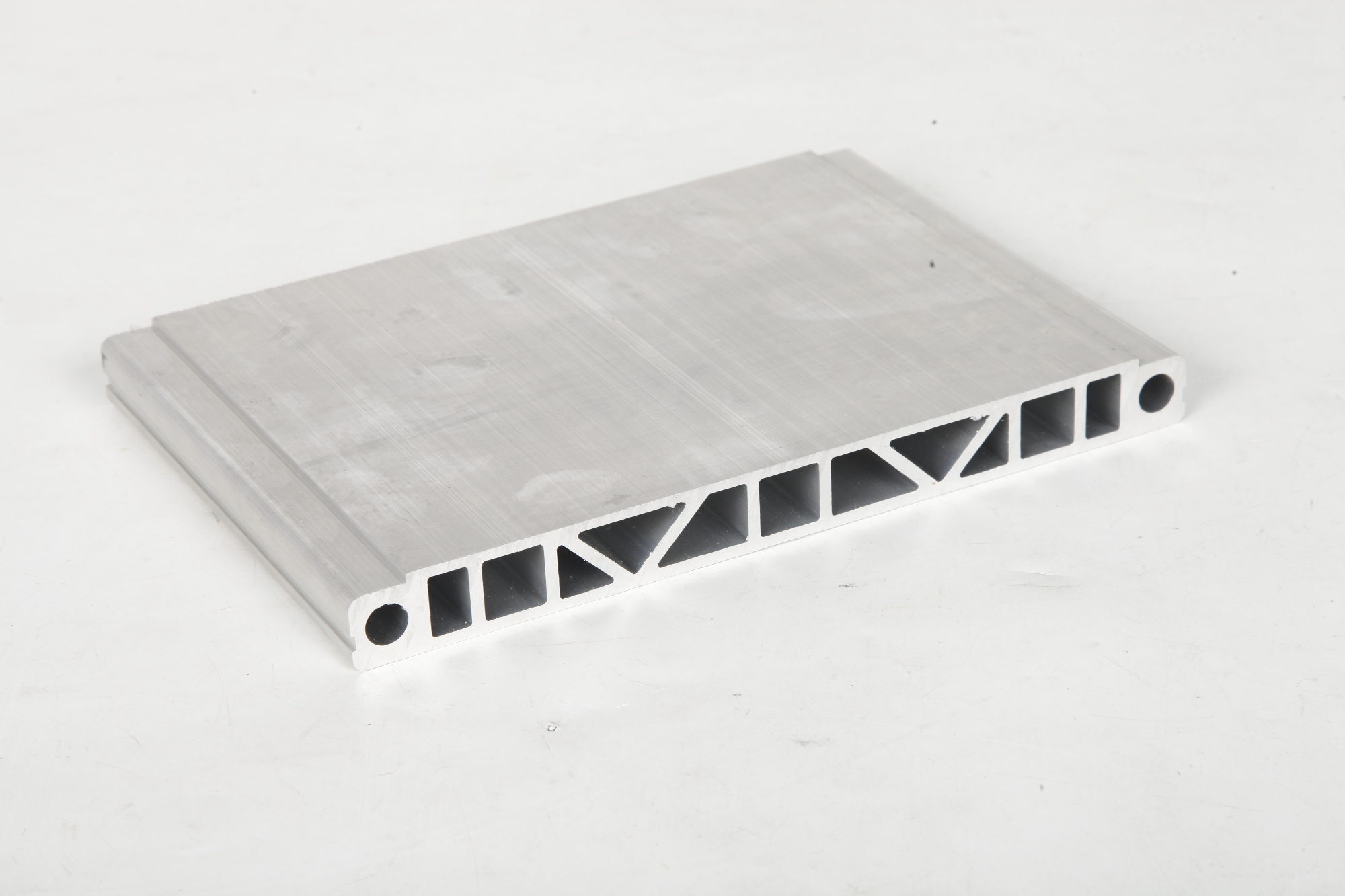
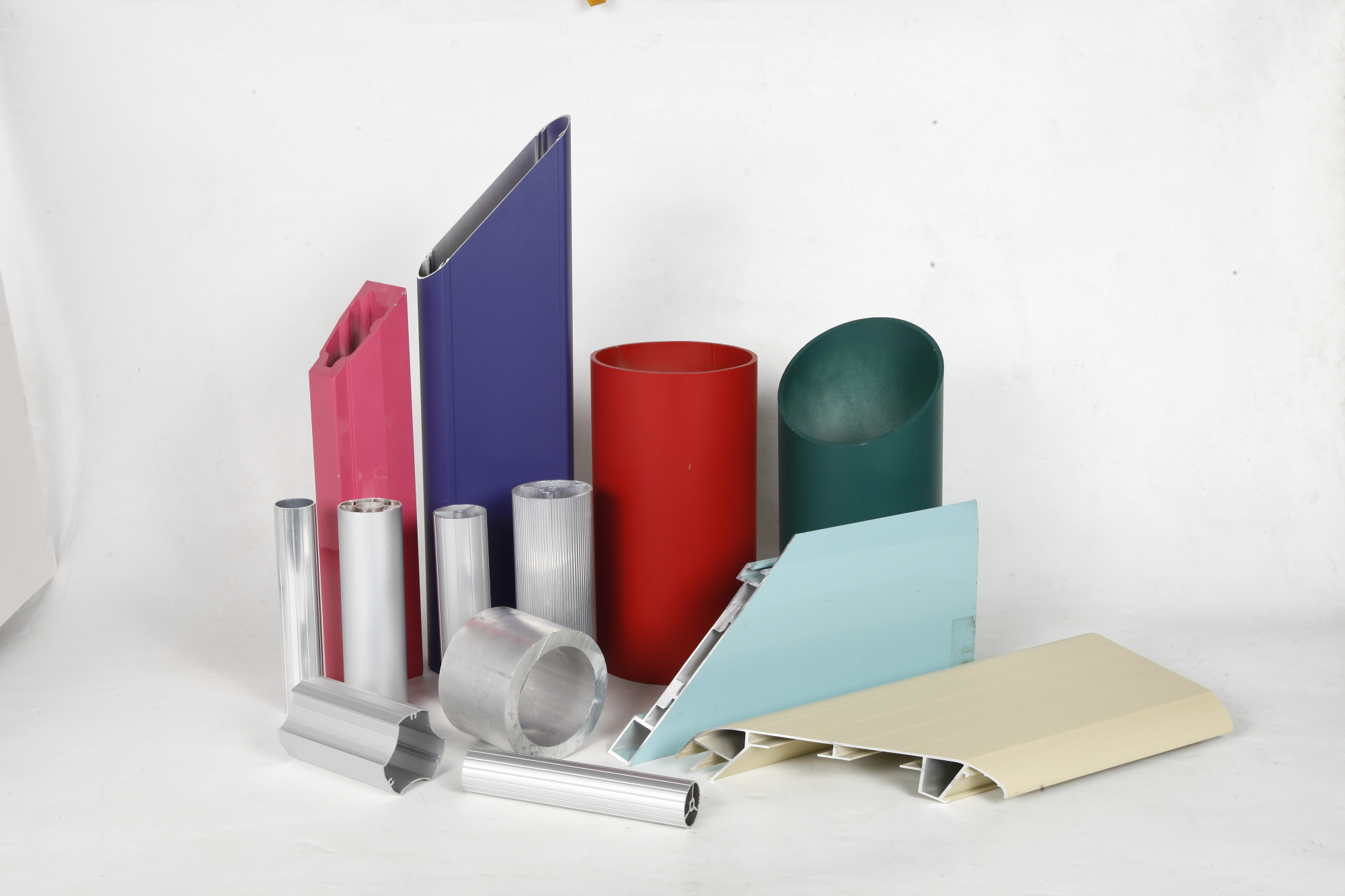
Understanding aluminium extrusion cost is essential for manufacturers and businesses planning metal component production. Aluminium extrusion is a manufacturing process that shapes aluminium alloy material by forcing it through a shaped opening in a die, creating complex cross-sectional profiles. The aluminium extrusion cost encompasses multiple factors including raw material prices, die fabrication expenses, production volume, profile complexity, and finishing requirements. This versatile manufacturing technique serves industries ranging from construction and automotive to aerospace and consumer electronics. The main functions of aluminium extrusion include creating lightweight structural components, custom architectural elements, heat sinks, frames, and intricate shapes impossible to achieve through other metalworking methods. Technological features include precision tolerances, consistent quality, material efficiency, and the ability to incorporate hollow sections that reduce weight while maintaining strength. The process allows for rapid production once dies are created, making it cost-effective for both prototype and high-volume manufacturing runs. Applications span window frames, curtain wall systems, automotive chassis components, electronic enclosures, solar panel frames, and industrial machinery parts. The aluminium extrusion cost varies significantly based on alloy selection, with 6063 and 6061 being common choices for different strength requirements. Surface treatments such as anodizing, powder coating, or mechanical finishing add to the overall aluminium extrusion cost but enhance corrosion resistance and aesthetic appeal. Understanding these cost components helps businesses make informed procurement decisions and optimize their manufacturing budgets while achieving desired product specifications and performance standards.

Popular Products

The primary advantage of understanding aluminium extrusion cost is enabling accurate budget planning and competitive pricing strategies for your products. When you comprehend the factors influencing aluminium extrusion cost, you can negotiate better with suppliers and identify opportunities to reduce expenses without compromising quality. This manufacturing method offers exceptional material efficiency, as the process generates minimal waste compared to machining from solid stock, directly lowering your material costs. The lightweight nature of aluminium reduces shipping expenses and installation labor, providing ongoing operational savings throughout your supply chain. Aluminium extrusion cost becomes more economical as production volumes increase, since die costs are amortized across larger quantities, making it ideal for both small custom projects and mass production. The process delivers consistent quality with tight tolerances, reducing rework costs and quality control expenses that plague less precise manufacturing methods. Design flexibility allows you to consolidate multiple components into single extrusions, eliminating assembly steps and reducing labor costs significantly. The aluminium extrusion cost includes the benefit of choosing from various alloys optimized for specific applications, ensuring you pay only for the material properties you actually need. Surface finishing options can be integrated efficiently into production workflows, avoiding separate processing steps that increase handling and logistics expenses. The durability and corrosion resistance of aluminium extrusions reduce maintenance costs and extend product lifecycles, delivering better long-term value to your customers. Energy efficiency during manufacturing keeps the aluminium extrusion cost competitive compared to steel or other metals requiring more intensive processing. Fast turnaround times from design to production mean lower inventory carrying costs and improved cash flow management. By thoroughly understanding aluminium extrusion cost factors, you position your business to make strategic decisions that balance initial investment against long-term operational benefits and market competitiveness.

Practical Tips

2025 Guangzhou Autumn Canton Fair Attend

06

May

2025 Guangzhou Autumn Canton Fair Attend

View More
New product Aluminum Guardrails With Safety Structure

06

May

New product Aluminum Guardrails With Safety Structure

View More
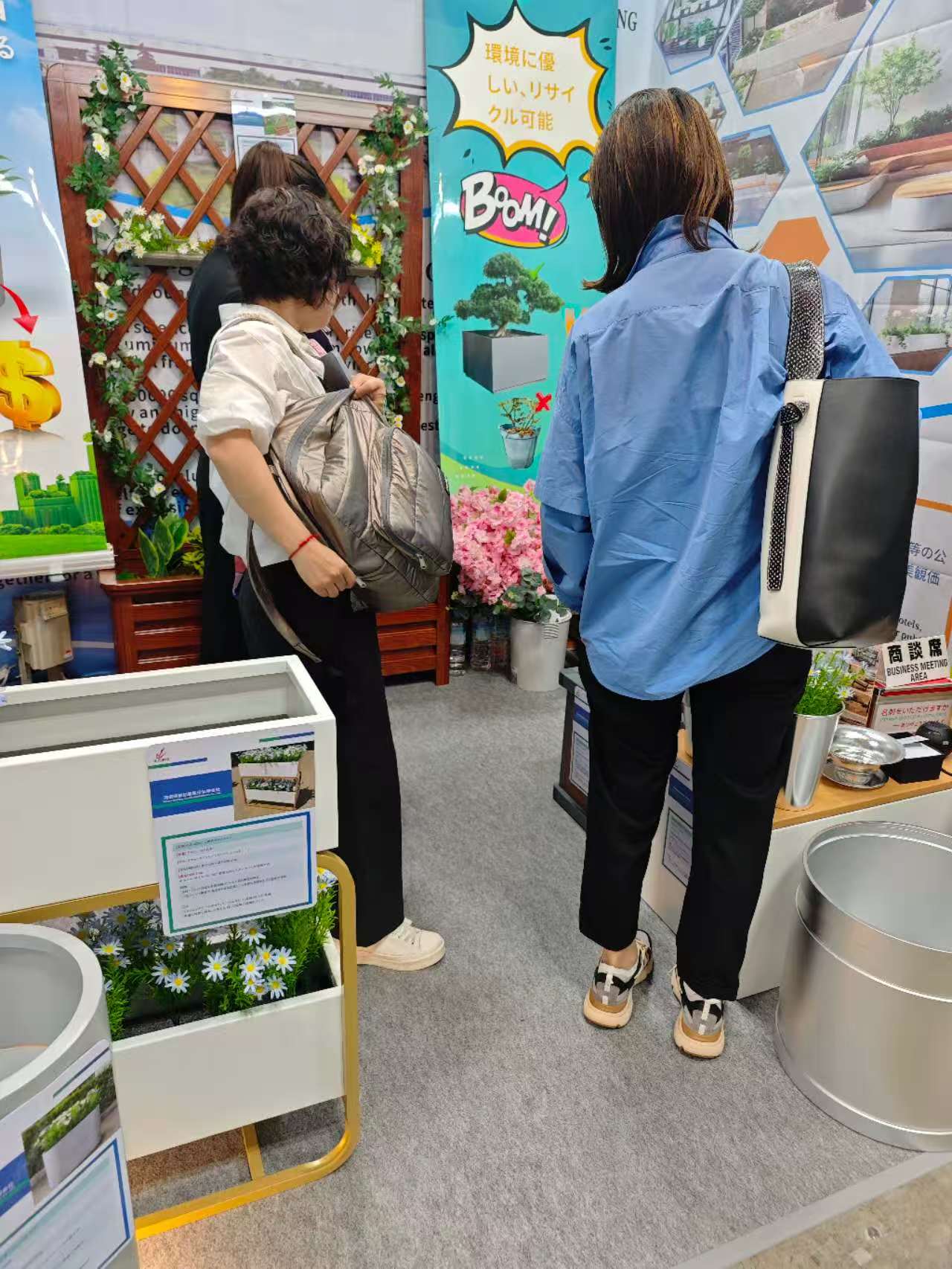
R&D Aluminum Planters & Flower Pots for Modern Outdoor & Indoor Use

06

May

R&D Aluminum Planters & Flower Pots for Modern Outdoor & Indoor Use

View More

Get a Free Quote

Our representative will contact you soon.
Email
Mobile/WhatsApp
Name
Company Name
Message
0/1000

aluminium extrusion cost

Cost Efficiency Through Volume Optimization

Cost Efficiency Through Volume Optimization

The aluminium extrusion cost structure rewards strategic production planning, particularly when you understand how volume impacts unit economics. Initial die creation represents a fixed expense, typically ranging from several hundred to several thousand dollars depending on profile complexity. However, this one-time investment becomes negligible when spread across thousands of units, dramatically reducing per-piece aluminium extrusion cost. Manufacturers can achieve break-even points at surprisingly low volumes compared to alternative fabrication methods. The process allows you to start with smaller production runs to test markets, then scale efficiently as demand grows without requiring new equipment or retooling investments. This scalability makes aluminium extrusion cost manageable for startups and established enterprises alike. Additionally, the high-speed nature of extrusion means lower labor costs per unit, as automated systems can produce meters of profile per minute once production begins. Material utilization rates exceed ninety percent, meaning you pay for usable product rather than waste destined for recycling. Understanding these volume dynamics allows you to time orders strategically, consolidating production runs to minimize per-unit aluminium extrusion cost while maintaining inventory flexibility through careful demand forecasting and supplier relationships.
Design Flexibility Reduces Total System Costs

Design Flexibility Reduces Total System Costs

Aluminium extrusion cost analysis must consider how design integration capabilities reduce overall project expenses beyond just the profile price. The process enables incorporation of complex features directly into the extrusion, including channels, grooves, mounting surfaces, and interlocking mechanisms that would require expensive secondary machining with other manufacturing methods. This design freedom allows engineers to eliminate fasteners, brackets, and separate components, cutting both material and assembly labor costs significantly. The aluminium extrusion cost includes the ability to create hollow sections with internal reinforcement structures, optimizing strength-to-weight ratios impossible with solid profiles or fabricated assemblies. Designers can specify different wall thicknesses within a single profile, placing material exactly where structural requirements demand it while minimizing weight and cost elsewhere. Thermal break cavities can be integrated for energy-efficient building applications without additional manufacturing steps. The variety of available alloys means you can match material properties precisely to application requirements, avoiding over-specification that inflates aluminium extrusion cost unnecessarily. Standard tolerances meet most application needs without premium pricing, while tighter specifications remain available when critical fit requirements justify the incremental cost. This design versatility translates to fewer prototyping iterations, faster time-to-market, and products that perform better while costing less to manufacture than traditional alternatives.
Long-Term Value Through Durability and Sustainability

Long-Term Value Through Durability and Sustainability

Evaluating aluminium extrusion cost requires looking beyond initial purchase price to lifecycle economics and environmental impact. Aluminium's natural corrosion resistance eliminates ongoing maintenance expenses that plague steel structures, delivering decades of service life without painting, rust treatment, or replacement costs. The material's strength-to-weight ratio reduces structural support requirements in applications from building facades to transportation equipment, creating cascading cost savings throughout system design. Thermal and electrical conductivity properties make aluminium extrusions ideal for heat management and power distribution applications, improving energy efficiency and reducing operational costs over product lifetimes. The aluminium extrusion cost includes inherent recyclability, as the material retains full properties through infinite recycling cycles, creating residual value at end-of-life and supporting corporate sustainability commitments increasingly important to customers and stakeholders. Recycling aluminium requires only five percent of the energy needed for primary production, reducing both environmental footprint and future material costs as recycled content becomes more prevalent. Modern powder coating and anodizing processes provide durable, attractive finishes that maintain appearance for decades without degradation, protecting brand value and customer satisfaction. When calculating true aluminium extrusion cost, factor in reduced insurance premiums from fire resistance, lower energy bills from thermal performance, and decreased liability from non-toxic, safe material properties that add measurable value across diverse applications and markets.

Get a Free Quote

Our representative will contact you soon.
Email
Mobile/WhatsApp
Name
Company Name
Message
0/1000

Copyright © 2026 Huilong Aluminium Industry Co., LTD. All rights reserved.  -  Privacy policy