Extruded Aluminum Electronics Enclosure Solutions

Get a Free Quote

Our representative will contact you soon.
Email
Mobile/WhatsApp
Name
Company Name
Message
0/1000

extruded aluminum electronics enclosure

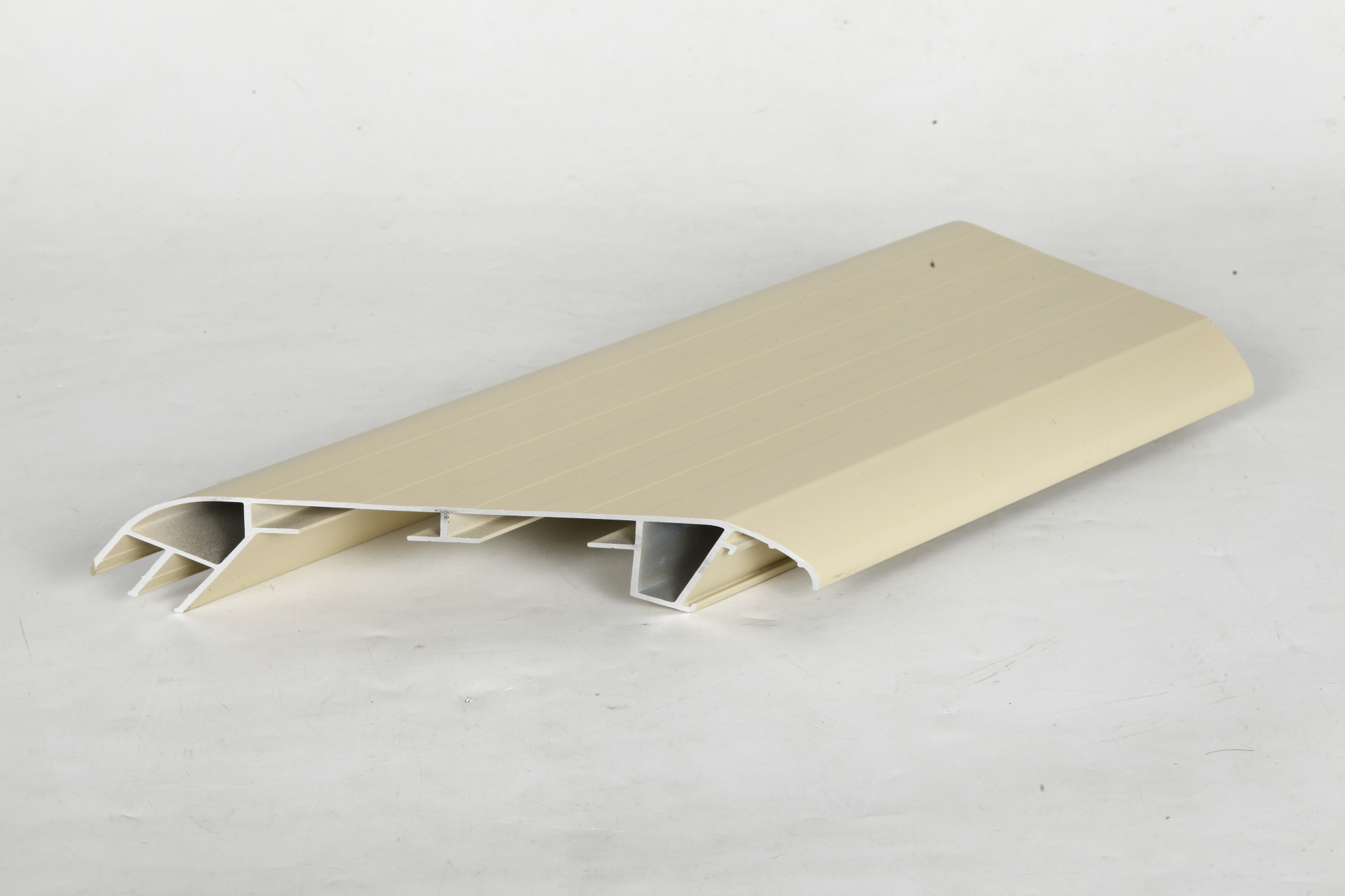
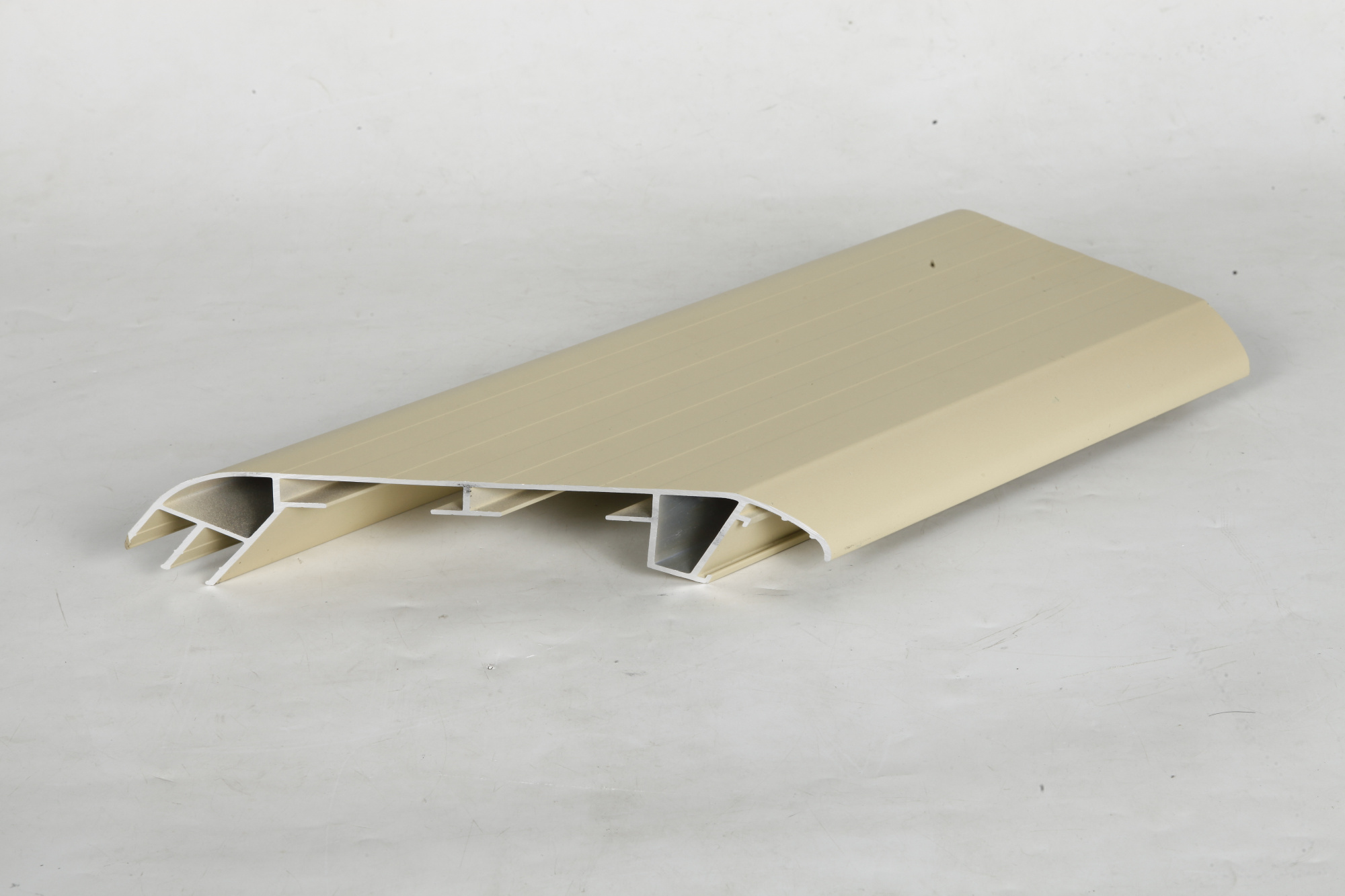
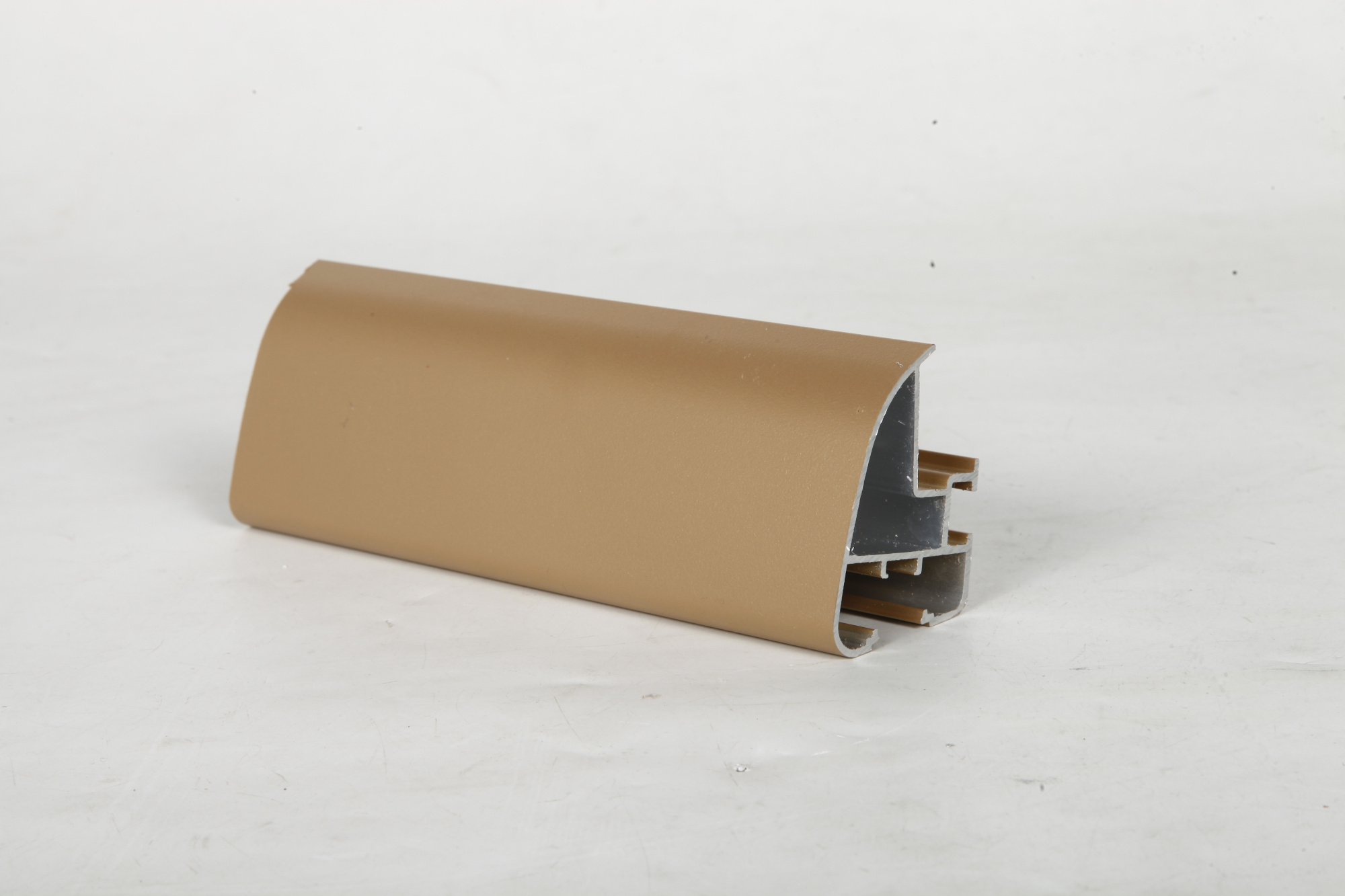
An extruded aluminum electronics enclosure is a protective housing solution specifically designed to safeguard sensitive electronic components and circuits from environmental hazards, physical damage, and electromagnetic interference. Manufactured through the aluminum extrusion process, these enclosures are created by forcing heated aluminum alloy through a shaped die, resulting in consistent cross-sectional profiles that can be cut to precise lengths. This manufacturing method enables the production of durable, lightweight housings with excellent thermal conductivity properties. The extruded aluminum electronics enclosure serves multiple critical functions including heat dissipation, physical protection, EMI shielding, and providing mounting surfaces for internal components and external connectors. Technologically, these enclosures feature superior thermal management capabilities due to aluminum's natural heat transfer properties, allowing electronic devices to operate within safe temperature ranges. The material's inherent strength-to-weight ratio makes these housings ideal for both stationary installations and portable equipment. Applications span numerous industries including telecommunications, industrial automation, medical devices, power supplies, LED drivers, test and measurement equipment, and control systems. The extruded aluminum electronics enclosure can be customized with various finishing options such as anodizing, powder coating, or brushing to enhance corrosion resistance and aesthetic appeal. Internal features like mounting rails, PCB slots, and cable management channels can be integrated directly into the extrusion profile, reducing assembly complexity and improving overall design efficiency. These enclosures are available in standard profiles or custom designs to meet specific dimensional and functional requirements across diverse electronic applications.

Popular Products

Choosing an extruded aluminum electronics enclosure delivers substantial practical benefits that directly impact your product performance and total cost of ownership. The lightweight nature of aluminum significantly reduces shipping costs and simplifies installation procedures, particularly important when deploying equipment in ceiling mounts, wall installations, or mobile applications. Superior heat dissipation naturally extends the operational lifespan of internal electronics by preventing thermal degradation of sensitive components, reducing warranty claims and maintenance expenses. The exceptional electromagnetic shielding properties protect circuits from external interference while preventing your device from emitting disruptive signals, ensuring regulatory compliance and reliable operation in electrically noisy environments. Durability stands as a cornerstone advantage, as the extruded aluminum electronics enclosure resists corrosion, withstands physical impacts, and maintains structural integrity across temperature extremes from minus forty to plus eighty degrees Celsius. This robustness translates to reduced replacement frequency and lower lifetime costs. The extrusion manufacturing process enables cost-effective customization, allowing you to incorporate mounting features, ventilation slots, and connector cutouts directly into the profile design without expensive secondary machining operations. Environmental sustainability matters to modern procurement decisions, and aluminum's complete recyclability aligns with corporate responsibility goals while maintaining material value at end-of-life. Aesthetic versatility through various surface treatments allows the extruded aluminum electronics enclosure to complement professional environments, from industrial control cabinets to high-end audio equipment. Assembly efficiency improves through standardized end panels and accessory compatibility, reducing production time and labor costs. The material's non-magnetic properties make these enclosures suitable for sensitive measurement applications and medical equipment where magnetic interference would compromise functionality. Proven reliability across decades of deployment in demanding applications provides confidence in product longevity and performance consistency.

Practical Tips

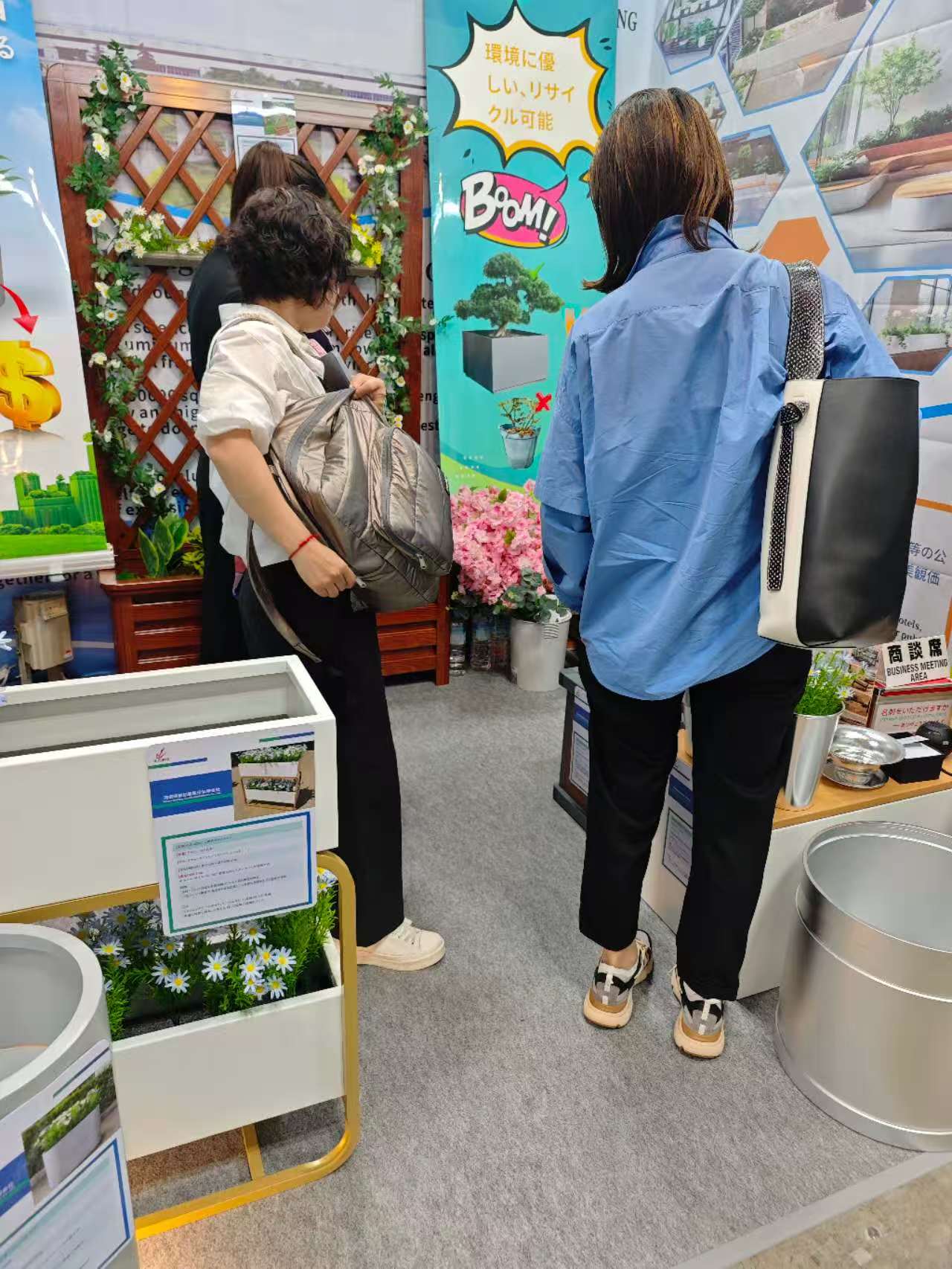
2025 Guangzhou Autumn Canton Fair Attend

06

May

2025 Guangzhou Autumn Canton Fair Attend

View More
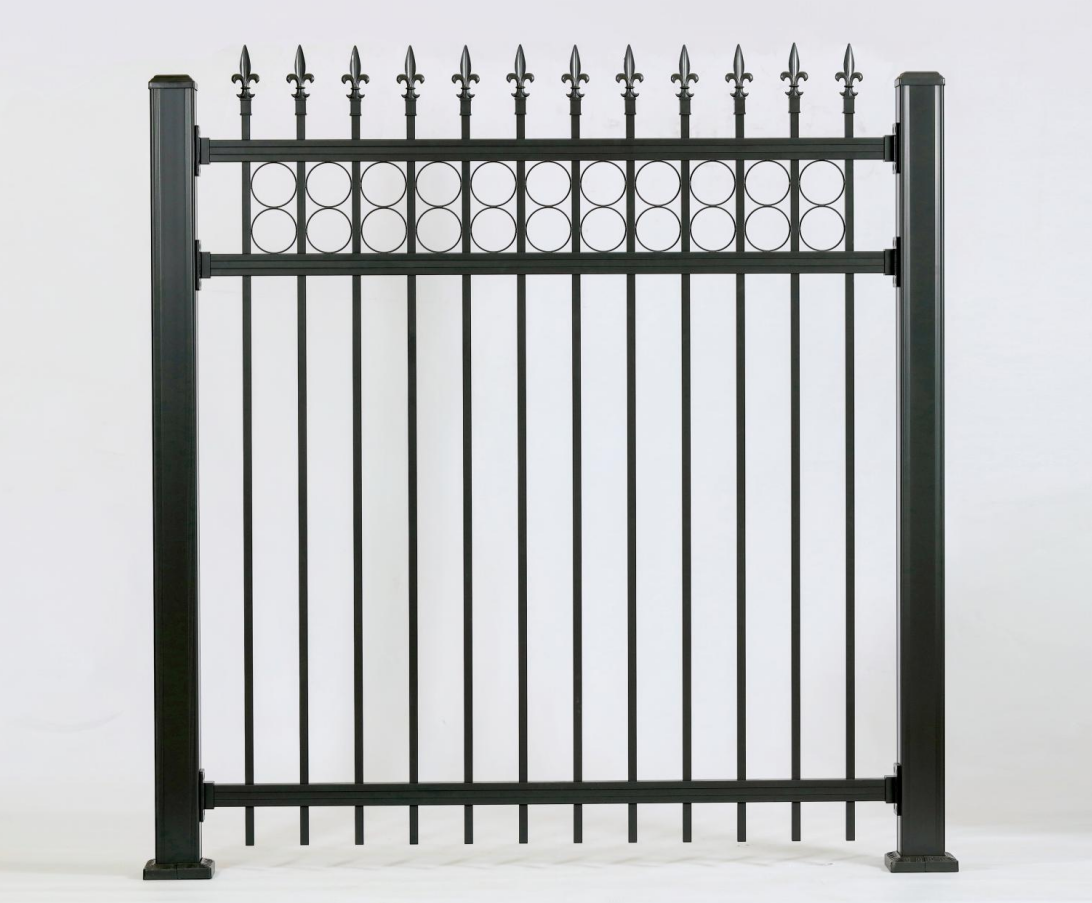
New product Aluminum Guardrails With Safety Structure

06

May

New product Aluminum Guardrails With Safety Structure

View More
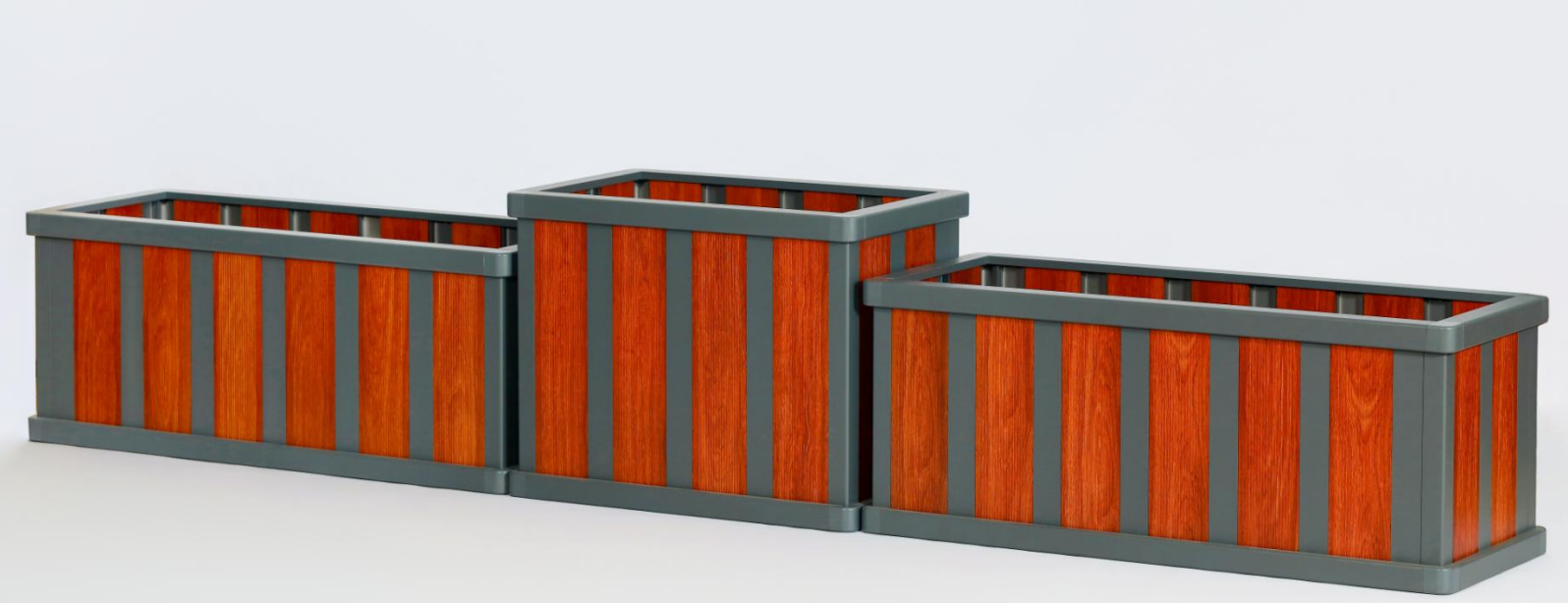
R&D Aluminum Planters & Flower Pots for Modern Outdoor & Indoor Use

06

May

R&D Aluminum Planters & Flower Pots for Modern Outdoor & Indoor Use

View More

Get a Free Quote

Our representative will contact you soon.
Email
Mobile/WhatsApp
Name
Company Name
Message
0/1000

extruded aluminum electronics enclosure

Superior Thermal Management Performance

Superior Thermal Management Performance

The extruded aluminum electronics enclosure excels in thermal management, a critical factor determining electronic reliability and longevity. Aluminum conducts heat approximately five times more efficiently than steel enclosures, rapidly transferring thermal energy away from heat-generating components like processors, power regulators, and amplifiers. The extrusion process creates continuous metal pathways that facilitate uniform heat distribution across the entire housing surface, eliminating hotspots that accelerate component failure. Integrated heat-sink fins can be incorporated directly into the extrusion profile, dramatically increasing surface area for convective cooling without requiring separate thermal management hardware. This monolithic design eliminates thermal interface resistance that occurs when attaching external heat sinks, improving overall cooling efficiency by fifteen to thirty percent compared to assemblies using mechanical fasteners. For high-power applications, the extruded aluminum electronics enclosure can be designed with optimized fin geometries that maximize airflow patterns, whether relying on natural convection or forced-air cooling. Temperature stability translates directly into enhanced component reliability, reduced failure rates, and extended maintenance intervals. Equipment operating within optimal thermal parameters demonstrates measurably improved performance consistency, particularly important for precision instruments, communications equipment, and processing systems where thermal drift affects output accuracy. The thermal capabilities inherent in these enclosures often eliminate the need for active cooling systems, reducing power consumption, noise levels, and mechanical complexity while improving overall system reliability.
Exceptional Structural Strength and Protection

Exceptional Structural Strength and Protection

Despite their lightweight construction, the extruded aluminum electronics enclosure provides outstanding mechanical protection for valuable electronic assemblies. Aluminum alloys used in electronics enclosures typically exhibit yield strengths exceeding 200 megapascals, effectively resisting deformation from impacts, vibration, and mechanical stress encountered during transportation, installation, and operation. The extrusion process creates continuous grain structures throughout the profile length, eliminating weak points common in fabricated sheet metal enclosures with welded or riveted joints. This structural integrity proves essential for equipment deployed in industrial environments, transportation applications, and field installations where physical abuse is inevitable. The material naturally forms a protective oxide layer that prevents progressive corrosion, ensuring the extruded aluminum electronics enclosure maintains structural integrity and aesthetic appearance throughout extended service lives, even in coastal environments, chemical processing facilities, or outdoor installations. Wall thickness can be precisely controlled during extrusion to optimize the strength-to-weight ratio for specific applications, from lightweight portable instruments requiring 1.5-millimeter walls to ruggedized industrial controls utilizing 3-millimeter construction. Internal reinforcement ribs can be integrated into the extrusion profile, providing exceptional stiffness without adding separate structural components. This design flexibility allows engineers to create enclosures that meet stringent military specifications, transportation standards, or industrial ratings while maintaining economical material usage. The robust construction protects against dust ingress, moisture penetration, and accidental impact, safeguarding expensive electronics and preventing costly downtime in mission-critical applications.
Manufacturing Efficiency and Design Flexibility

Manufacturing Efficiency and Design Flexibility

The extruded aluminum electronics enclosure offers remarkable manufacturing advantages that accelerate product development cycles and reduce production costs. The extrusion process enables complex cross-sectional geometries incorporating functional features like component mounting tracks, PCB guide channels, cable routing paths, and ventilation openings directly into the base profile, eliminating numerous secondary operations required with fabricated enclosures. Tooling costs for custom extrusion dies represent minimal investment compared to progressive stamping dies or injection molds, making low-to-medium production volumes economically viable with fully customized profiles. Once the extrusion die is created, profile consistency remains exceptional across production runs, ensuring interchangeable parts and simplified assembly procedures. Standard profiles are immediately available from distributor stock in various lengths, allowing rapid prototyping and short lead times for standard applications. The extruded aluminum electronics enclosure accommodates diverse finishing requirements, from natural mill finish for cost-sensitive applications to decorative anodizing in multiple colors for consumer products, chromate conversion coating for enhanced corrosion protection, or powder coating for specific color matching and texture requirements. Machining operations such as drilling, tapping, and milling are significantly easier with aluminum compared to steel or stainless materials, reducing tool wear and cycle times during end-panel preparation and connector cutouts. Design modifications can often be accommodated by simply changing end-panel configurations rather than retooling the entire extrusion profile, providing flexibility as product requirements evolve. This adaptability proves invaluable when supporting product families sharing common housing dimensions but requiring different interface configurations, ventilation patterns, or mounting arrangements across various model configurations.

Get a Free Quote

Our representative will contact you soon.
Email
Mobile/WhatsApp
Name
Company Name
Message
0/1000

Copyright © 2026 Huilong Aluminium Industry Co., LTD. All rights reserved.  -  Privacy policy