Anodized Aluminium Profile Solutions

Get a Free Quote

Our representative will contact you soon.
Email
Mobile/WhatsApp
Name
Company Name
Message
0/1000

anodized aluminium profile

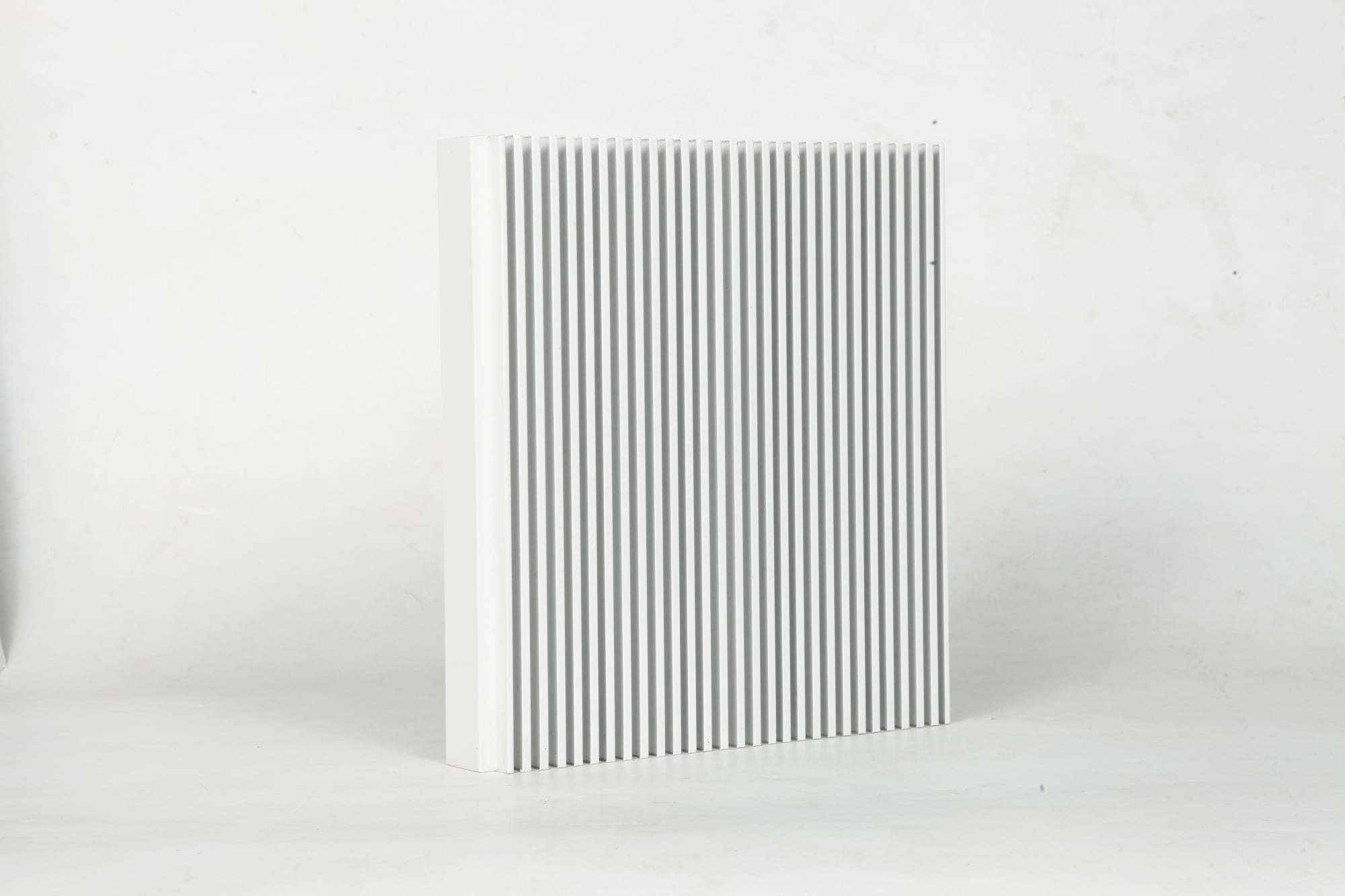
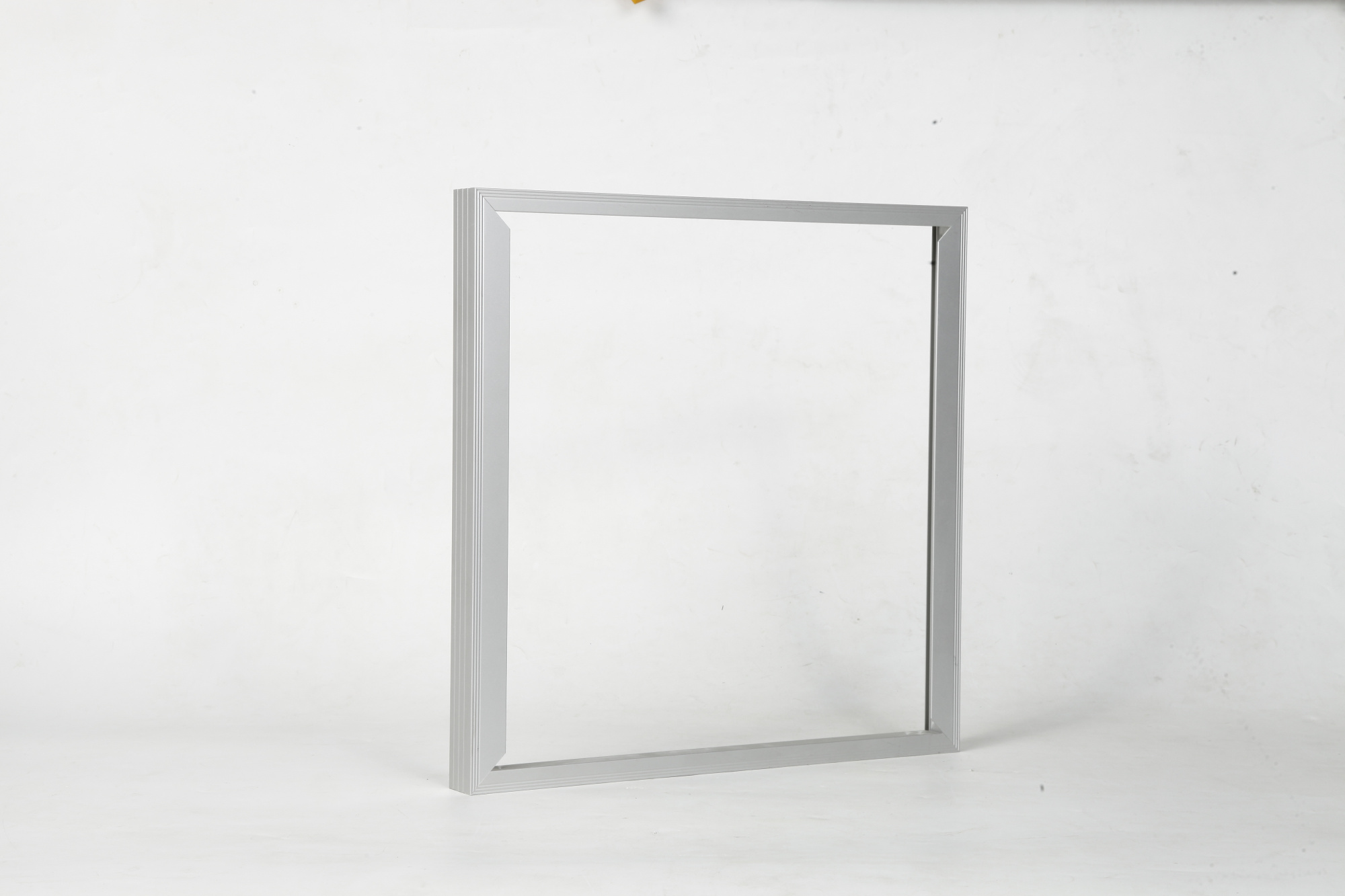
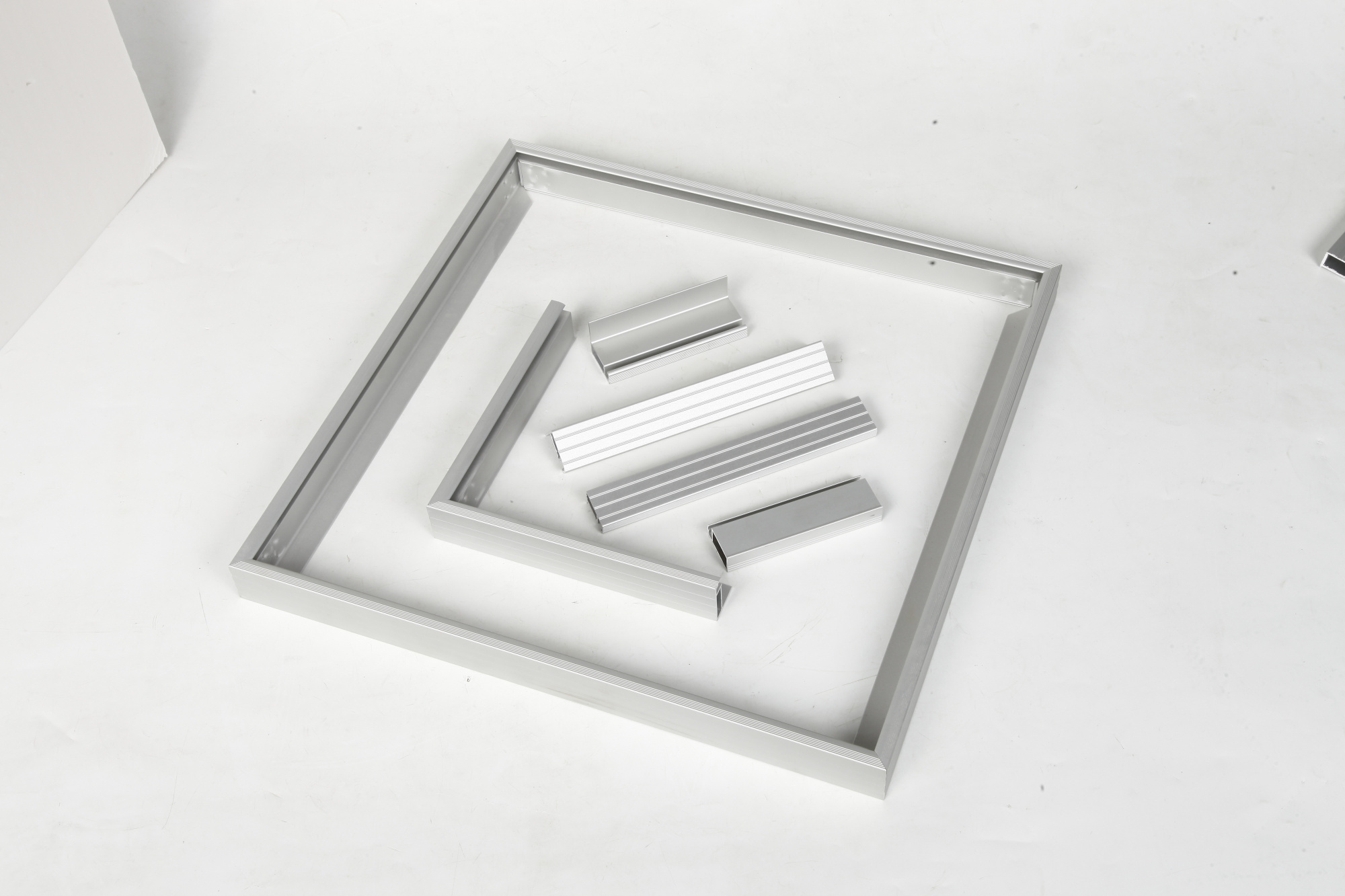
An anodized aluminium profile is a specially treated extruded aluminium component that undergoes an electrochemical process to enhance its natural oxide layer, creating a durable and corrosion-resistant surface. This manufacturing technique transforms standard aluminium profiles into high-performance building materials suitable for diverse industrial and architectural applications. The anodizing process involves immersing the aluminium profile in an acid electrolyte bath and passing an electric current through it, which thickens the protective oxide layer significantly. This results in a product that maintains the lightweight characteristics of aluminium while offering superior protection against environmental factors. The anodized aluminium profile serves multiple functions across construction, manufacturing, and design sectors. Its primary technological features include enhanced surface hardness, improved resistance to wear and corrosion, and the ability to accept dyes for aesthetic customization. The anodized layer becomes an integral part of the metal rather than a coating, ensuring it will not peel or chip under normal conditions. These profiles find extensive applications in window and door frames, curtain wall systems, automotive components, electronic enclosures, furniture manufacturing, and decorative architectural elements. The material excels in both interior and exterior environments, making it ideal for projects requiring longevity and minimal maintenance. With thickness options ranging from standard architectural grades to heavy-duty industrial specifications, the anodized aluminium profile offers versatility that meets demanding performance standards while delivering aesthetic appeal through various finish options including clear, bronze, black, and custom colors.
New Products

Choosing an anodized aluminium profile delivers significant value through extended product lifespan and reduced maintenance requirements. The anodizing process creates a protective barrier that prevents oxidation and corrosion, meaning your investment maintains its appearance and structural integrity for decades without frequent repairs or replacements. This translates directly into lower total cost of ownership compared to painted or untreated alternatives that require regular refinishing. The operational benefits become immediately apparent in real-world use. The hardened surface of an anodized aluminium profile resists scratches, abrasions, and everyday wear far better than raw aluminium, maintaining a professional appearance in high-traffic areas. Cleaning requires only mild soap and water, eliminating the need for specialized maintenance products or procedures. The material remains stable across temperature fluctuations, will not warp or degrade under UV exposure, and provides consistent performance in coastal, industrial, or urban environments where other materials deteriorate rapidly. From an application perspective, the anodized aluminium profile adapts to virtually any project requirement. Whether you need structural support, decorative trim, or functional framing, these profiles combine strength with design flexibility. The lightweight nature simplifies installation, reducing labor costs and structural load considerations. Available in standard shapes or custom extrusions, they integrate seamlessly into both new construction and renovation projects. For decision-making purposes, the anodized aluminium profile offers compelling advantages over competing materials. Unlike painted finishes that hide defects temporarily, anodizing reveals the quality of the base material, ensuring you receive consistent quality. The environmentally friendly process produces no hazardous byproducts, and aluminium remains infinitely recyclable without quality loss. When sustainability, performance, and economics all factor into your purchasing decision, the anodized aluminium profile emerges as the practical choice that delivers measurable benefits throughout its service life.

Tips And Tricks

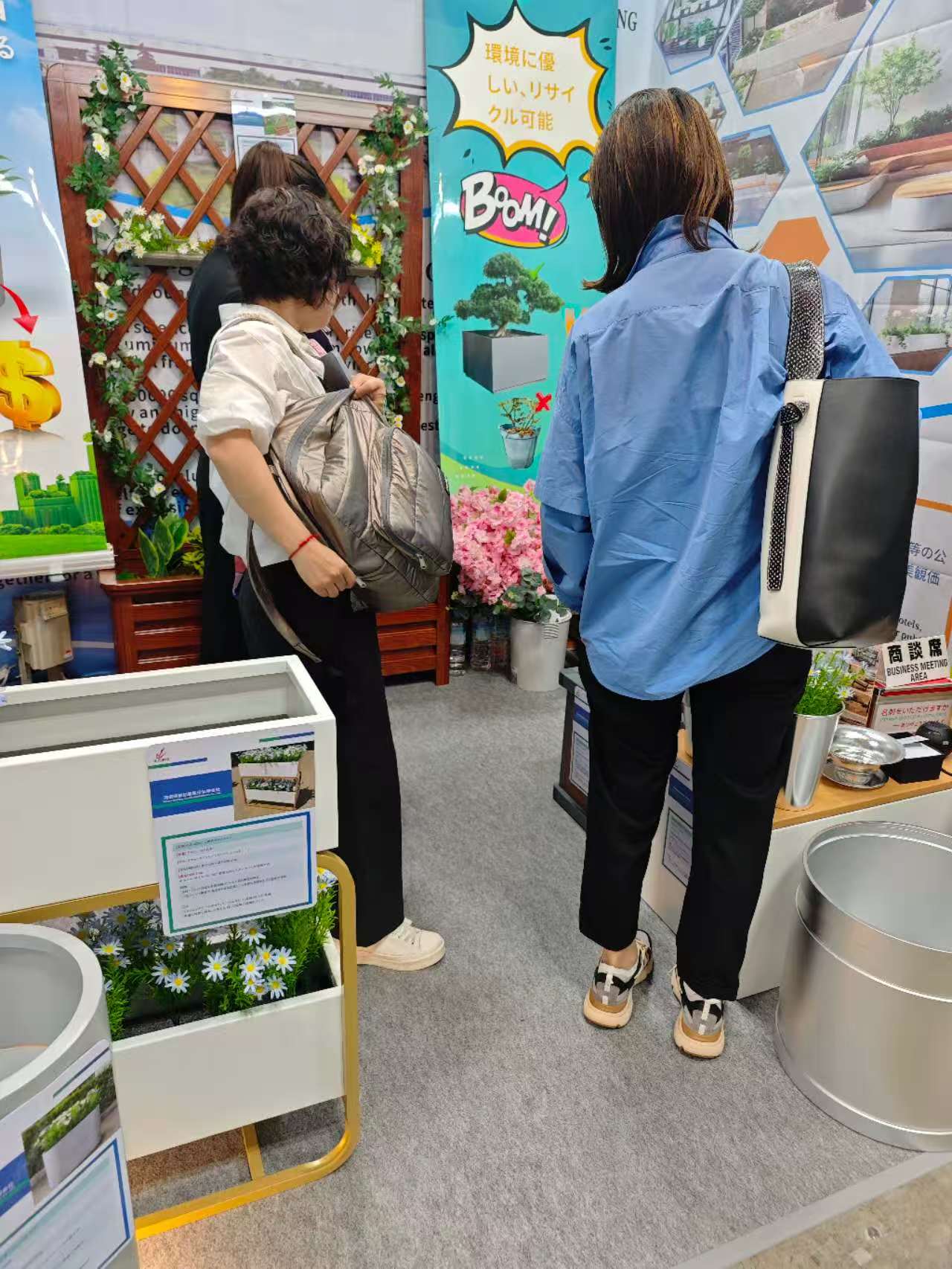
2025 Guangzhou Autumn Canton Fair Attend

06

May

2025 Guangzhou Autumn Canton Fair Attend

View More
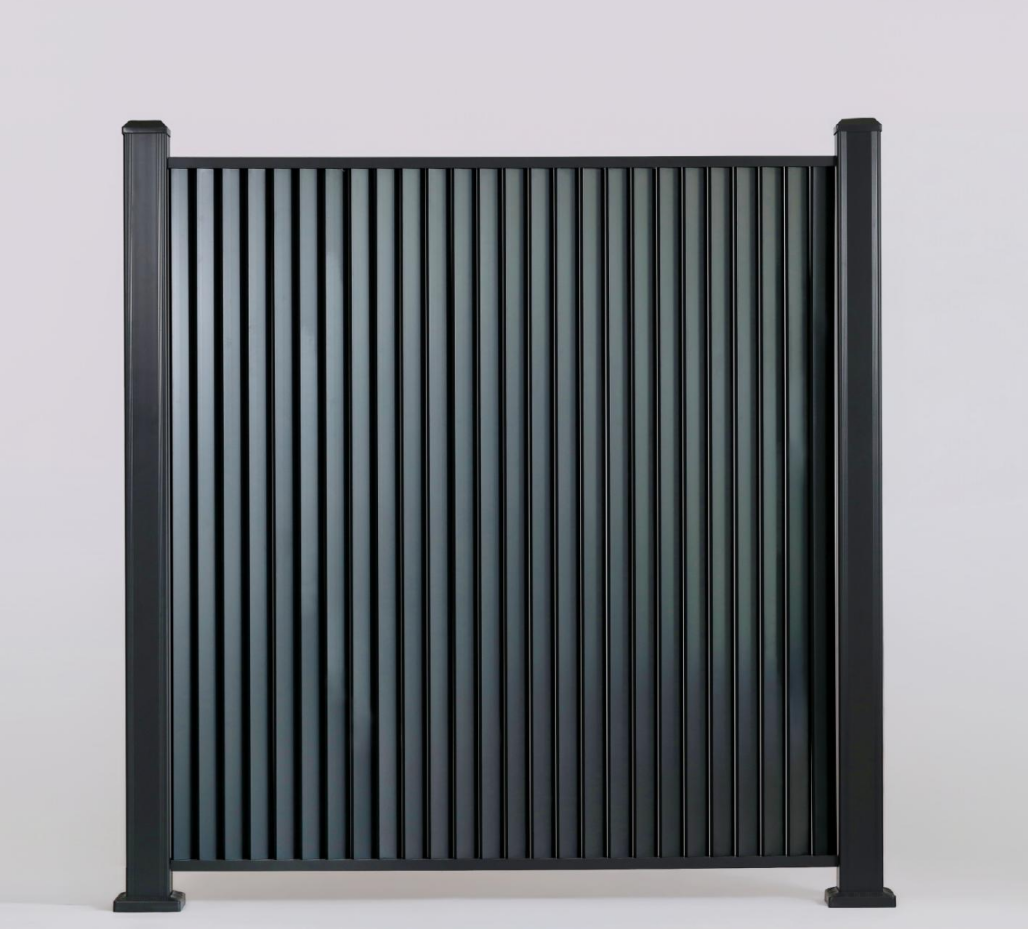
New product Aluminum Guardrails With Safety Structure

06

May

New product Aluminum Guardrails With Safety Structure

View More
R&D Aluminum Planters & Flower Pots for Modern Outdoor & Indoor Use

06

May

R&D Aluminum Planters & Flower Pots for Modern Outdoor & Indoor Use

View More

Get a Free Quote

Our representative will contact you soon.
Email
Mobile/WhatsApp
Name
Company Name
Message
0/1000

anodized aluminium profile

Superior Corrosion Resistance and Longevity

Superior Corrosion Resistance and Longevity

The anodized aluminium profile stands apart through its exceptional resistance to corrosion and environmental degradation, a critical advantage that extends product life far beyond untreated alternatives. During the anodizing process, the aluminium surface is converted into a thick, stable oxide layer that becomes molecularly bonded to the base metal. This is fundamentally different from paint or powder coating, which sits on top of the surface and can chip or peel away. The integrated oxide layer on an anodized aluminium profile cannot separate from the substrate, providing permanent protection that endures through decades of exposure to moisture, salt spray, industrial pollutants, and harsh weather conditions. This characteristic makes these profiles particularly valuable in marine environments, chemical processing facilities, and outdoor architectural applications where material failure can lead to costly repairs or safety concerns. The stable oxide layer also prevents the white powdery oxidation that appears on raw aluminium, maintaining the clean, professional appearance that reflects positively on your facility or project. For building owners and facility managers, this means dramatically reduced maintenance schedules and elimination of cyclical repainting or refinishing costs that burden conventional materials.
Enhanced Surface Hardness and Wear Resistance

Enhanced Surface Hardness and Wear Resistance

An anodized aluminium profile delivers remarkable surface hardness that substantially outperforms untreated aluminium and many alternative materials in demanding applications. The anodizing process transforms the outer aluminium layer into aluminium oxide, which ranks impressively on the Mohs hardness scale, creating a surface that resists scratches, abrasions, and impact damage encountered during installation, operation, and daily use. This enhanced hardness proves essential in applications where the profile contacts moving parts, experiences frequent handling, or serves in high-traffic areas where accidental impacts occur regularly. Manufacturing equipment frames, material handling systems, retail fixtures, and transportation components all benefit from this wear resistance that maintains dimensional accuracy and appearance over extended service periods. The hardened surface of an anodized aluminium profile also provides improved resistance to chemical attack from cleaning agents, industrial fluids, and environmental contaminants that would otherwise etch or stain softer materials. This combination of mechanical and chemical resistance creates a robust protective barrier that preserves both function and aesthetics, reducing replacement frequency and associated downtime costs while ensuring consistent performance throughout the product lifecycle in even the most challenging operational environments.
Aesthetic Versatility with Color Stability

Aesthetic Versatility with Color Stability

The anodized aluminium profile offers unmatched aesthetic flexibility through a wide spectrum of color options and finishes that remain stable and vibrant throughout years of service. Unlike painted surfaces that fade, chalk, or discolor under UV exposure, the color in an anodized aluminium profile penetrates into the porous oxide layer before sealing, creating a permanent bond that resists degradation. This process allows architects, designers, and manufacturers to specify precise colors ranging from natural silver and bronze tones to blacks, golds, and custom hues that match specific branding or design requirements. The consistent color depth and uniformity across the entire anodized aluminium profile ensures visual continuity in large installations, eliminating the patchwork appearance that sometimes results from painted components aging at different rates. The anodized finish also offers various texture options, from bright and reflective to matte and subdued, enabling precise control over the final aesthetic impact. This design freedom combines with the material's inherent recyclability and sustainability to appeal to environmentally conscious projects seeking LEED certification or similar green building recognition. The permanent nature of anodized colors eliminates ongoing refinishing costs while maintaining the intended appearance, providing long-term value that extends beyond initial installation to encompass the entire building or product lifespan.

Get a Free Quote

Our representative will contact you soon.
Email
Mobile/WhatsApp
Name
Company Name
Message
0/1000

Copyright © 2026 Huilong Aluminium Industry Co., LTD. All rights reserved.  -  Privacy policy