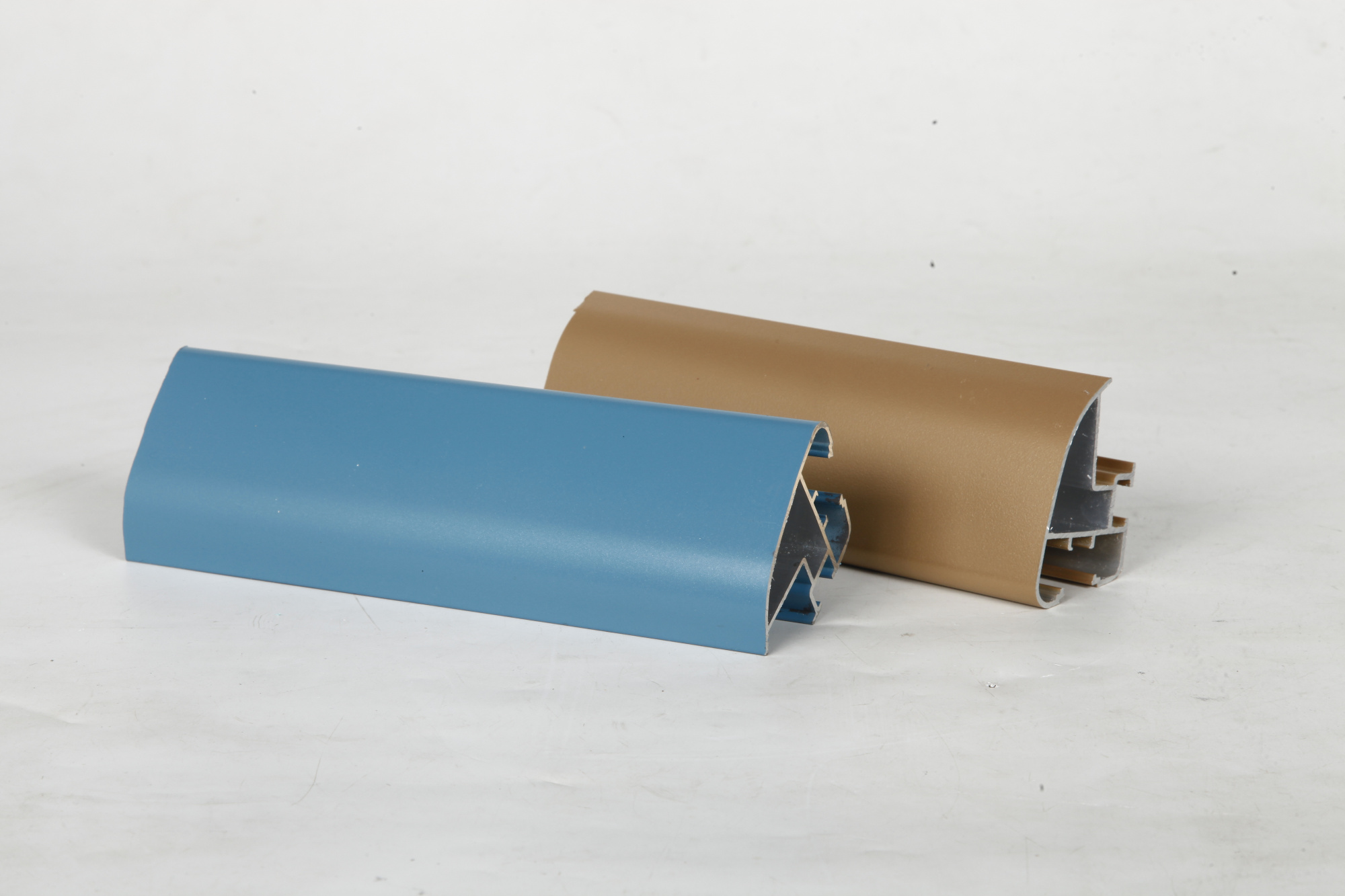
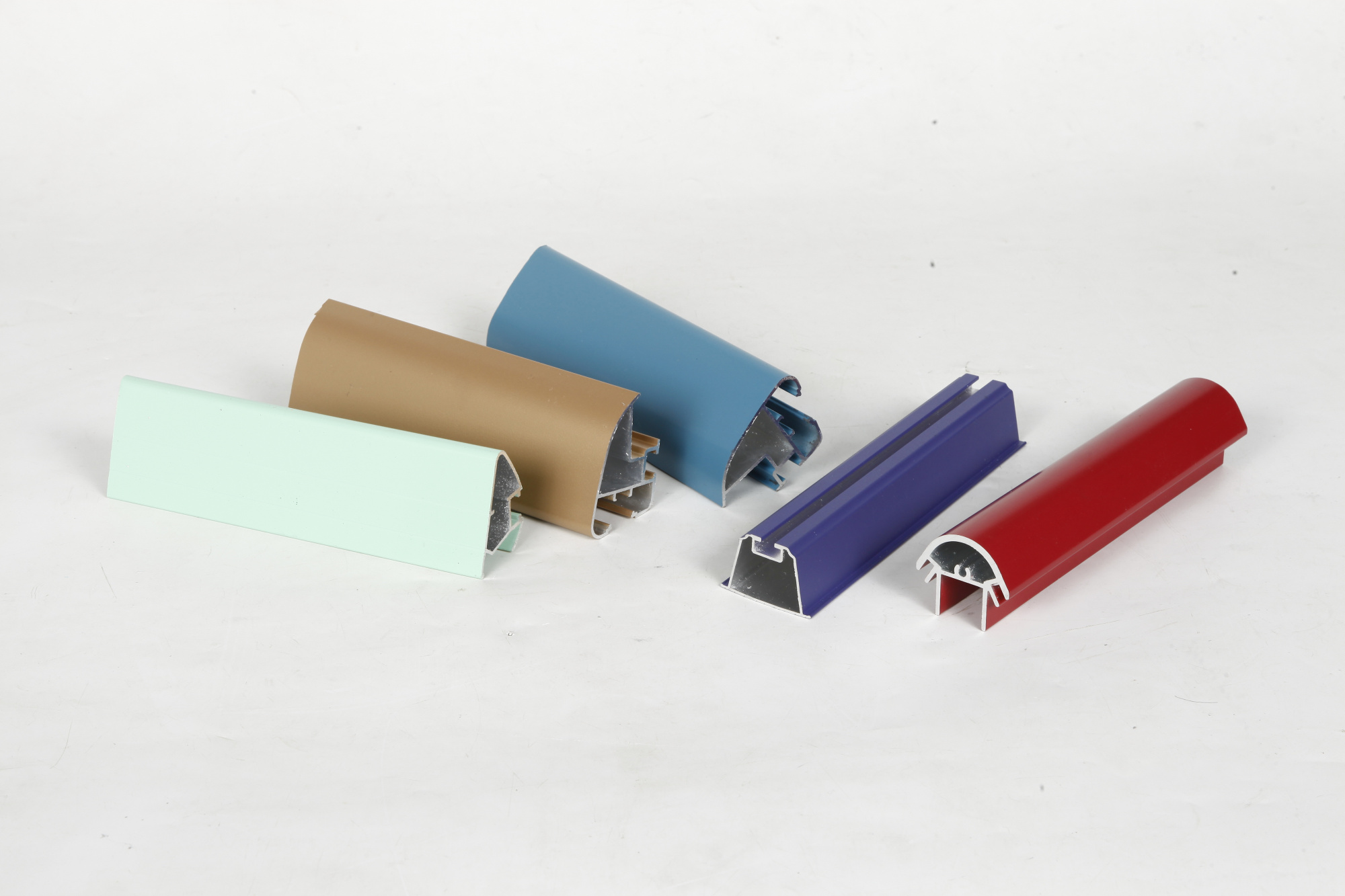
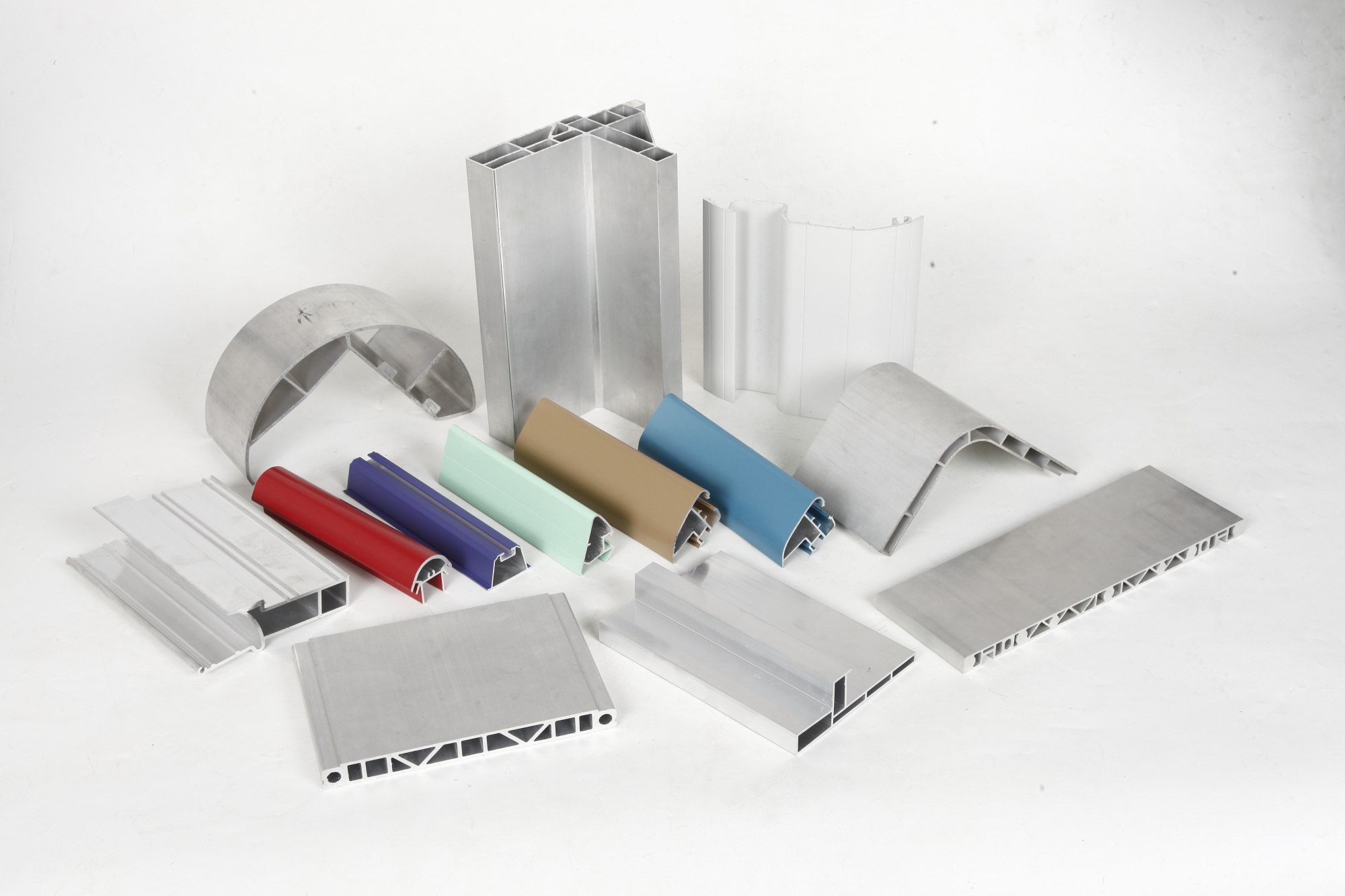
aluminum heat sink extrusion
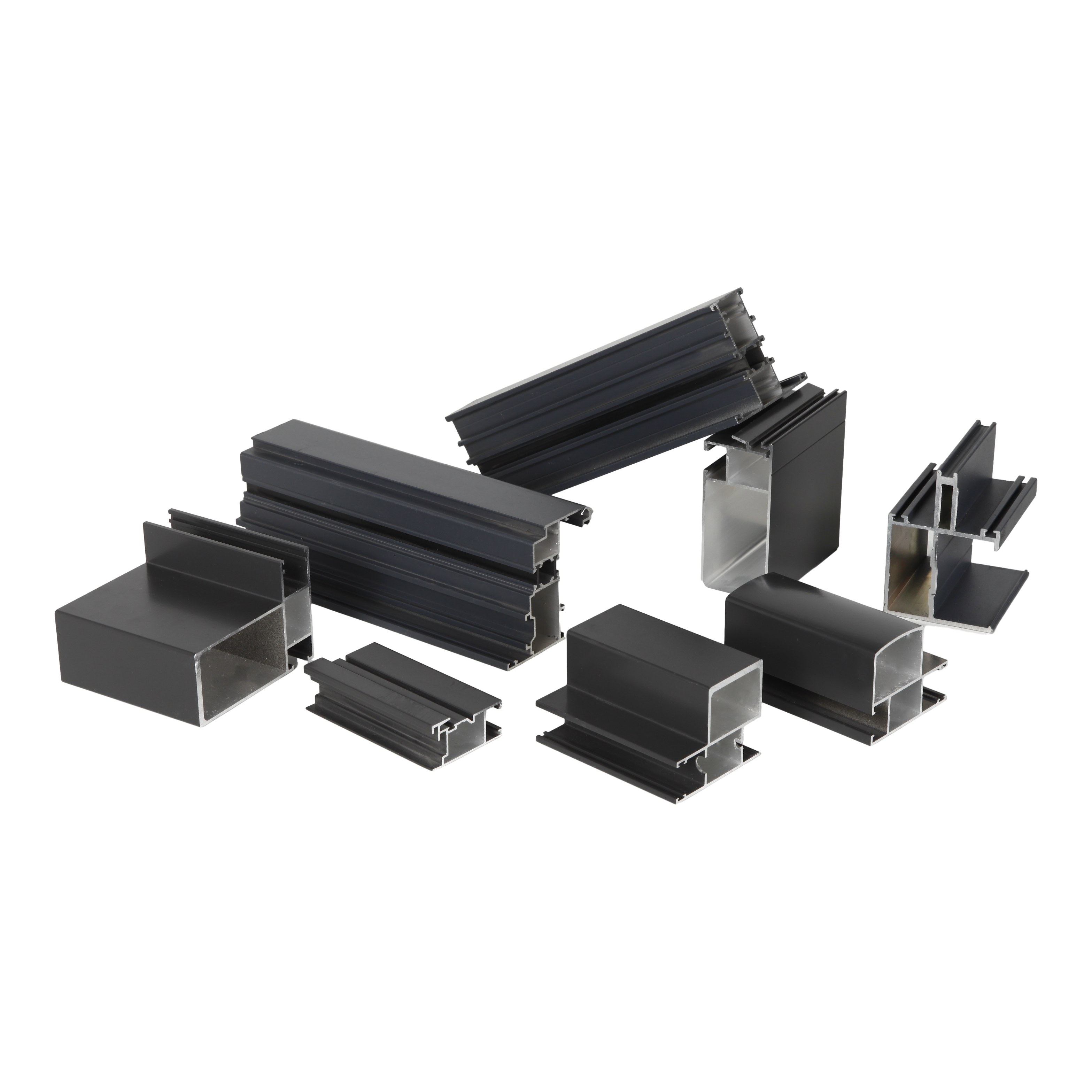
Aluminum heat sink extrusion is a specialized manufacturing process that creates efficient thermal management components designed to dissipate heat from electronic devices and industrial equipment. This process involves forcing heated aluminum billets through precision-engineered dies to produce complex profiles with fins, channels, and custom geometries optimized for maximum heat transfer. The aluminum heat sink extrusion method enables manufacturers to create cost-effective cooling solutions with consistent quality and dimensional accuracy. These extruded heat sinks serve a critical function in maintaining optimal operating temperatures for processors, power supplies, LED lighting systems, automotive electronics, telecommunications equipment, and industrial machinery. The technological features of aluminum heat sink extrusion include excellent thermal conductivity, lightweight construction, corrosion resistance, and design flexibility that accommodates various mounting requirements and spatial constraints. The extrusion process allows for intricate fin patterns that increase surface area dramatically, enhancing convective heat dissipation without adding excessive weight or bulk. Applications span across consumer electronics, aerospace systems, renewable energy installations, medical devices, and computing infrastructure where reliable thermal management is essential for performance and longevity. The aluminum heat sink extrusion process supports both natural convection and forced-air cooling configurations, making it adaptable to diverse environmental conditions and power density requirements. With customizable anodizing and surface treatments available, these extruded components offer both functional excellence and aesthetic appeal for visible applications.