anodized aluminium profile
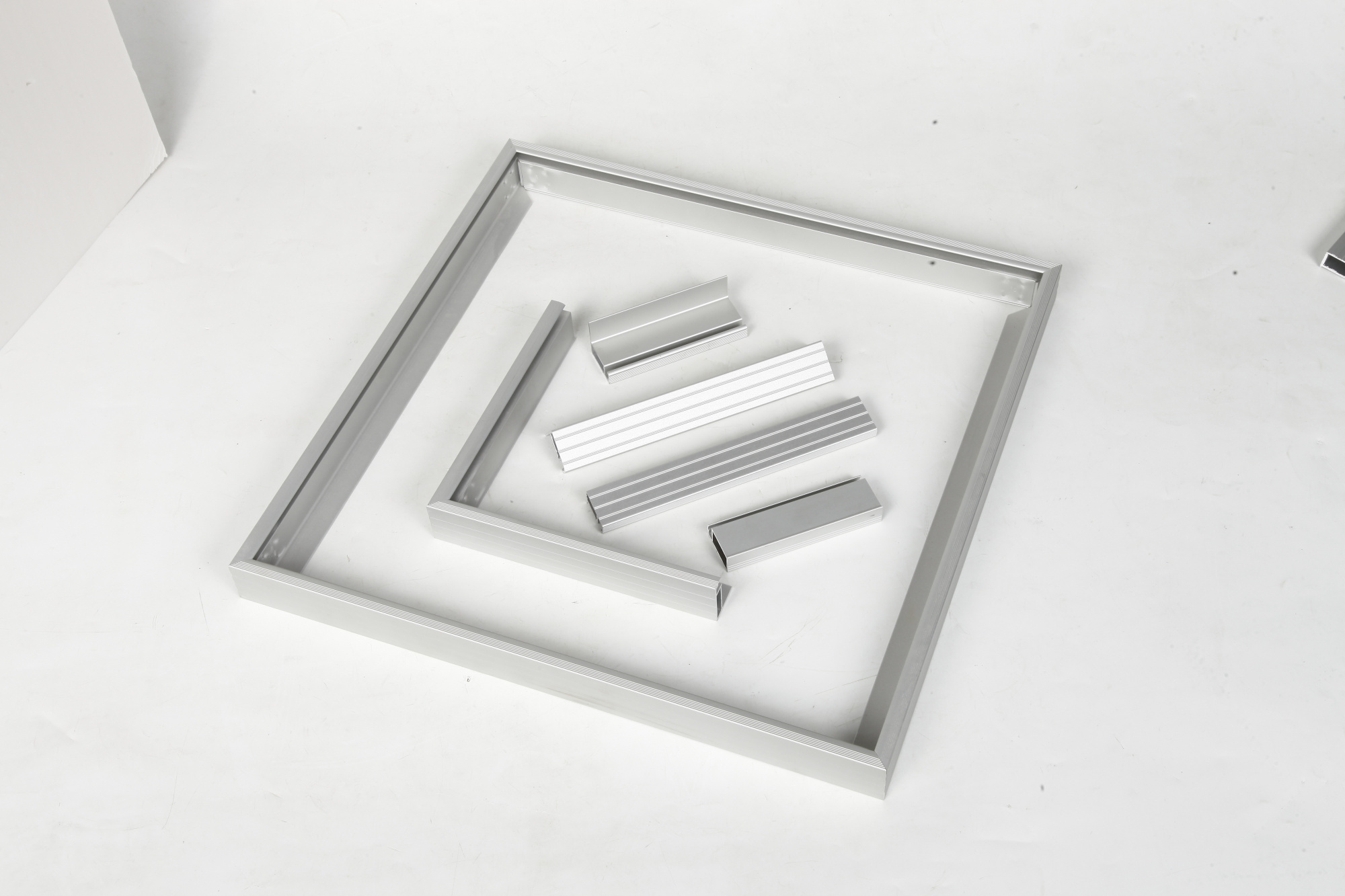
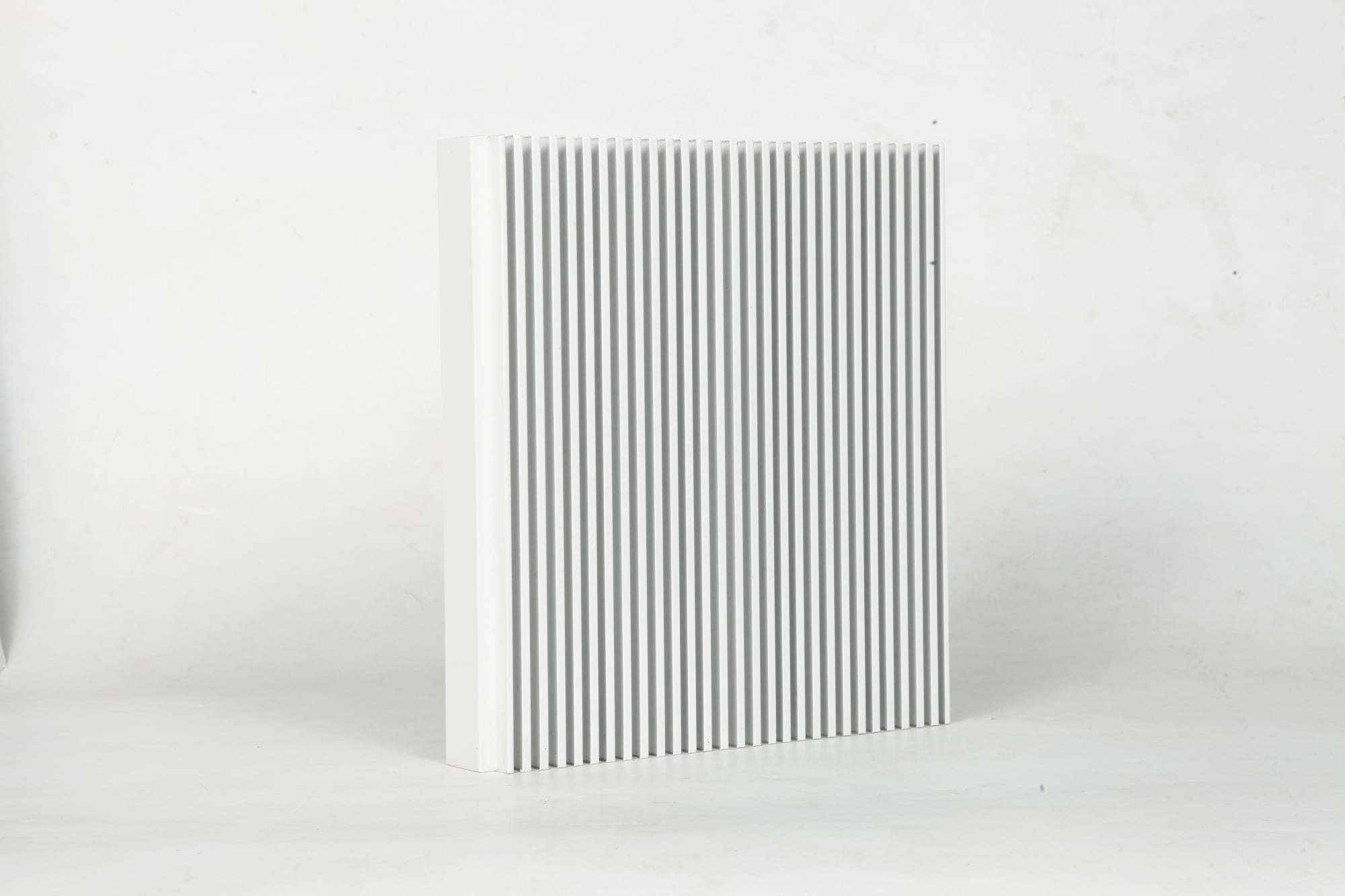
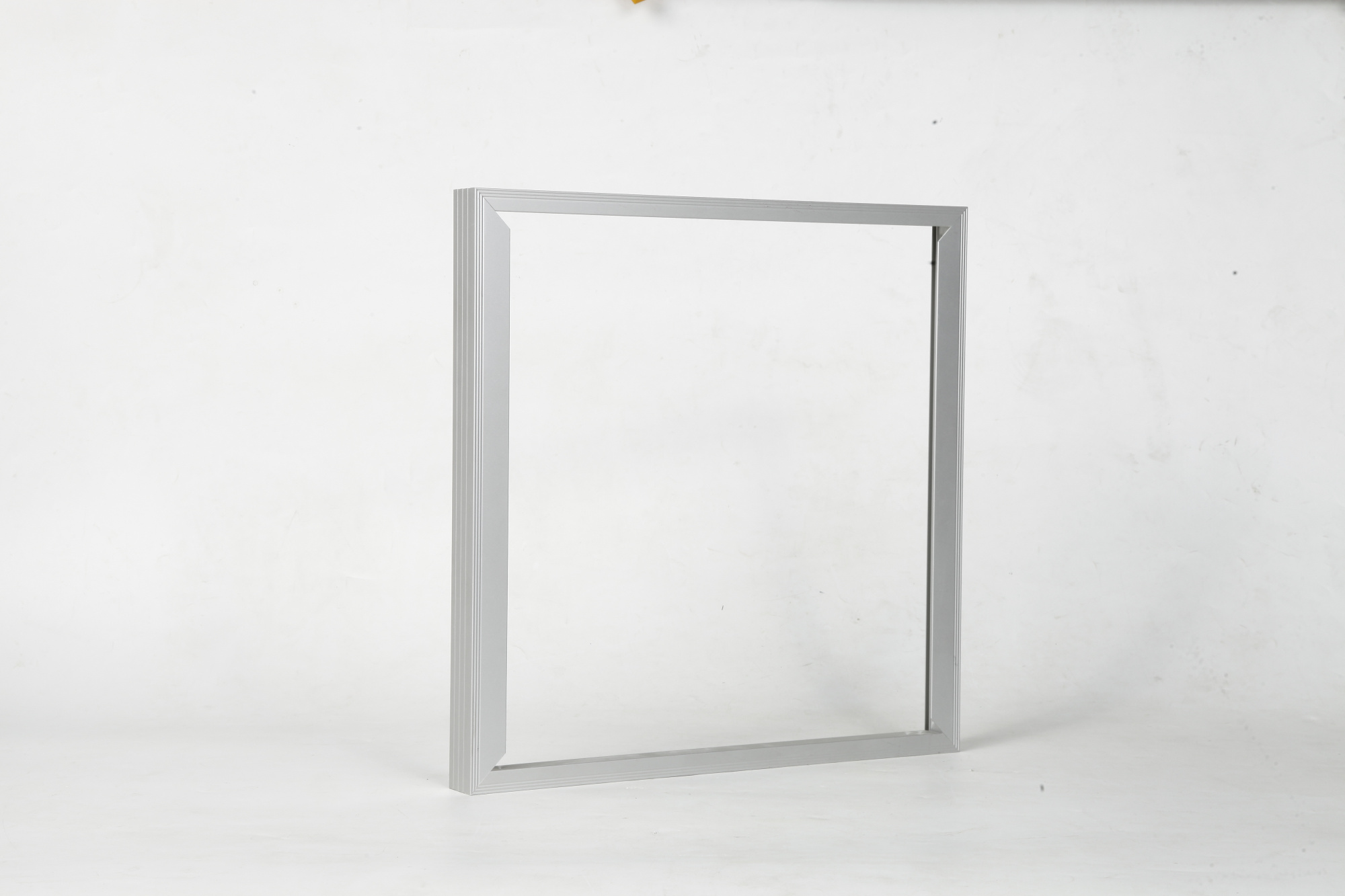
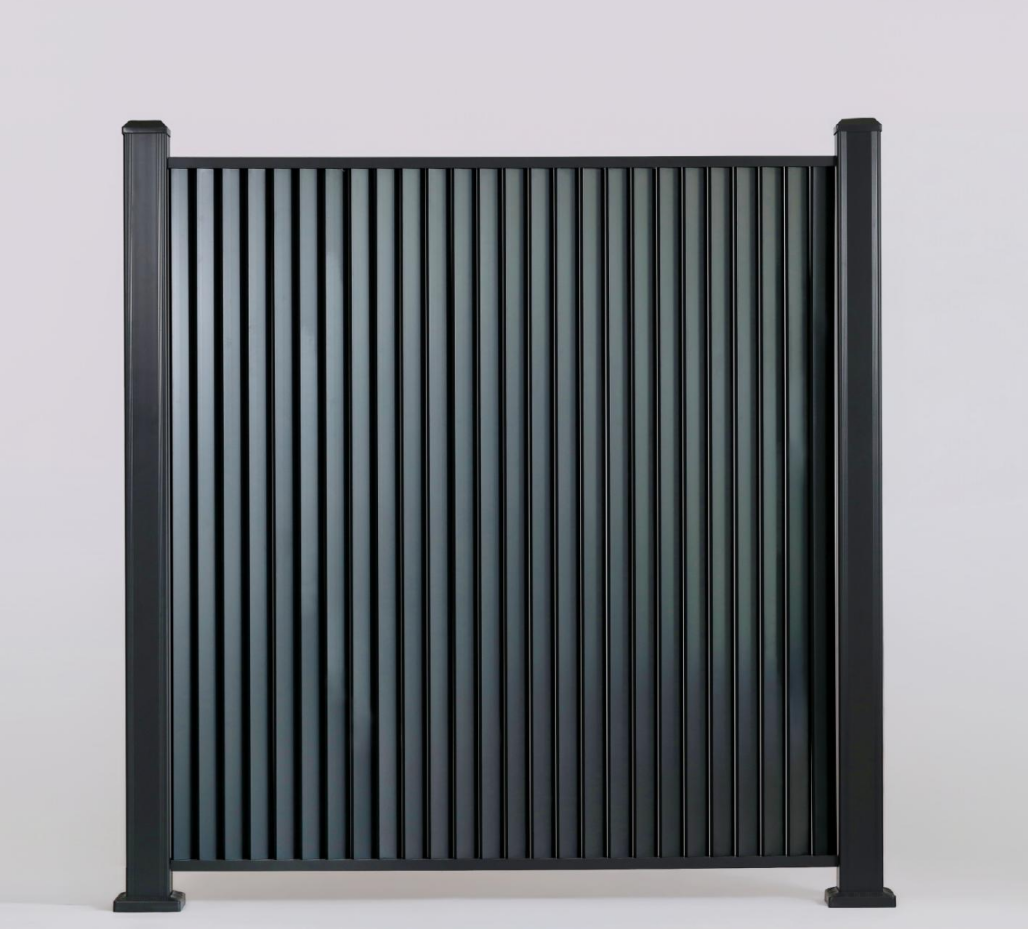
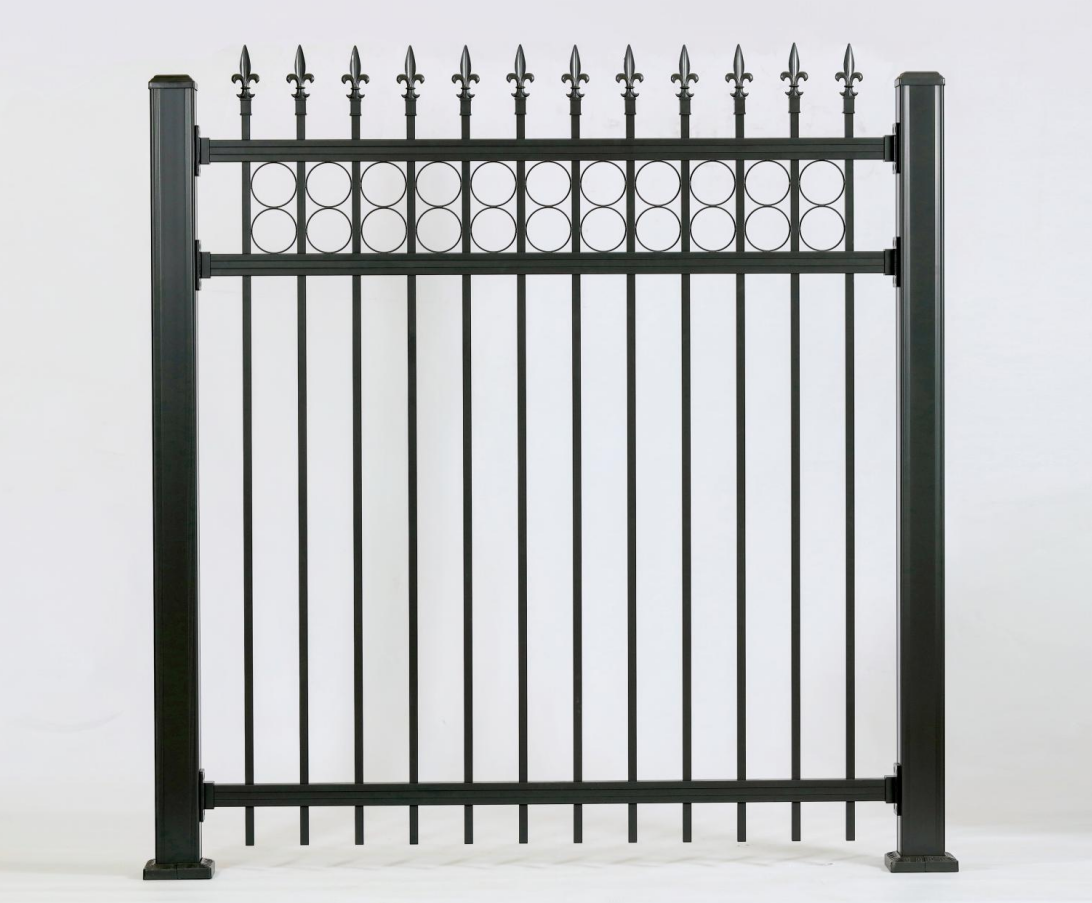
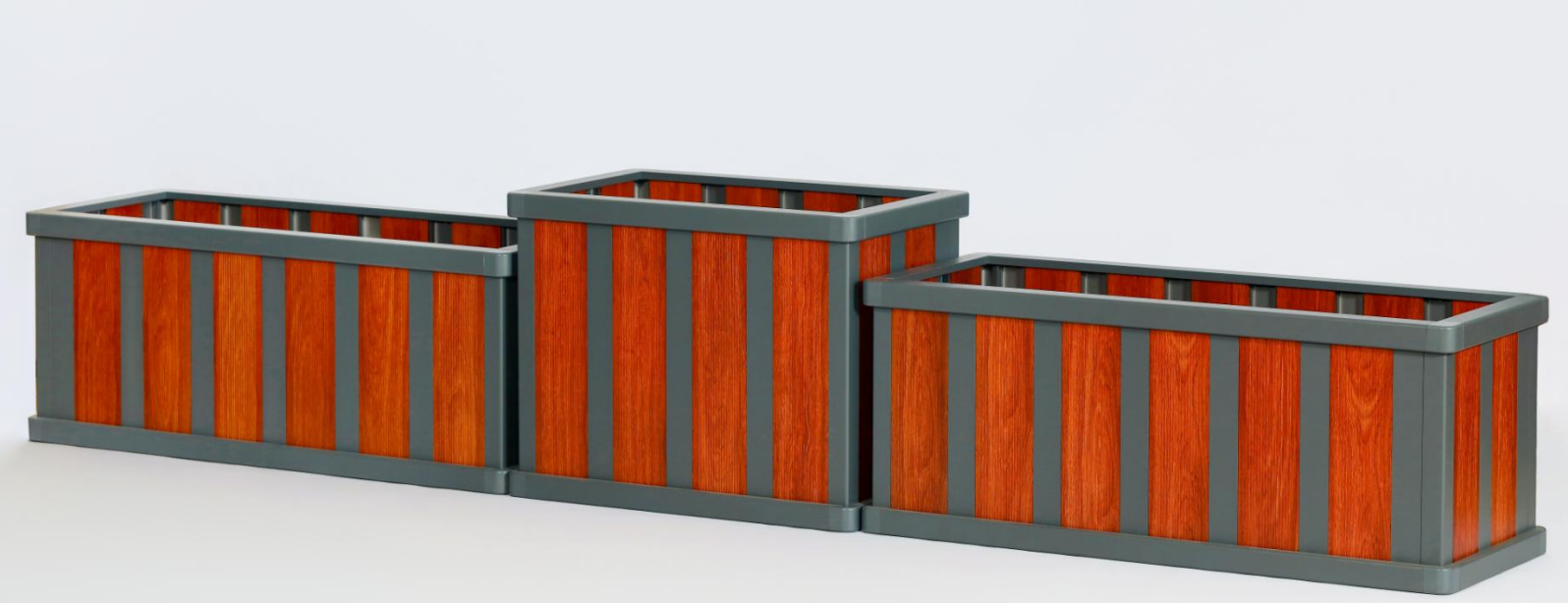
An anodized aluminium profile is a specially treated extruded aluminium component that undergoes an electrochemical process to enhance its natural oxide layer, creating a durable and corrosion-resistant surface. This manufacturing technique transforms standard aluminium profiles into high-performance building materials suitable for diverse industrial and architectural applications. The anodizing process involves immersing the aluminium profile in an acid electrolyte bath and passing an electric current through it, which thickens the protective oxide layer significantly. This results in a product that maintains the lightweight characteristics of aluminium while offering superior protection against environmental factors. The anodized aluminium profile serves multiple functions across construction, manufacturing, and design sectors. Its primary technological features include enhanced surface hardness, improved resistance to wear and corrosion, and the ability to accept dyes for aesthetic customization. The anodized layer becomes an integral part of the metal rather than a coating, ensuring it will not peel or chip under normal conditions. These profiles find extensive applications in window and door frames, curtain wall systems, automotive components, electronic enclosures, furniture manufacturing, and decorative architectural elements. The material excels in both interior and exterior environments, making it ideal for projects requiring longevity and minimal maintenance. With thickness options ranging from standard architectural grades to heavy-duty industrial specifications, the anodized aluminium profile offers versatility that meets demanding performance standards while delivering aesthetic appeal through various finish options including clear, bronze, black, and custom colors.