aluminum aircraft extrusions
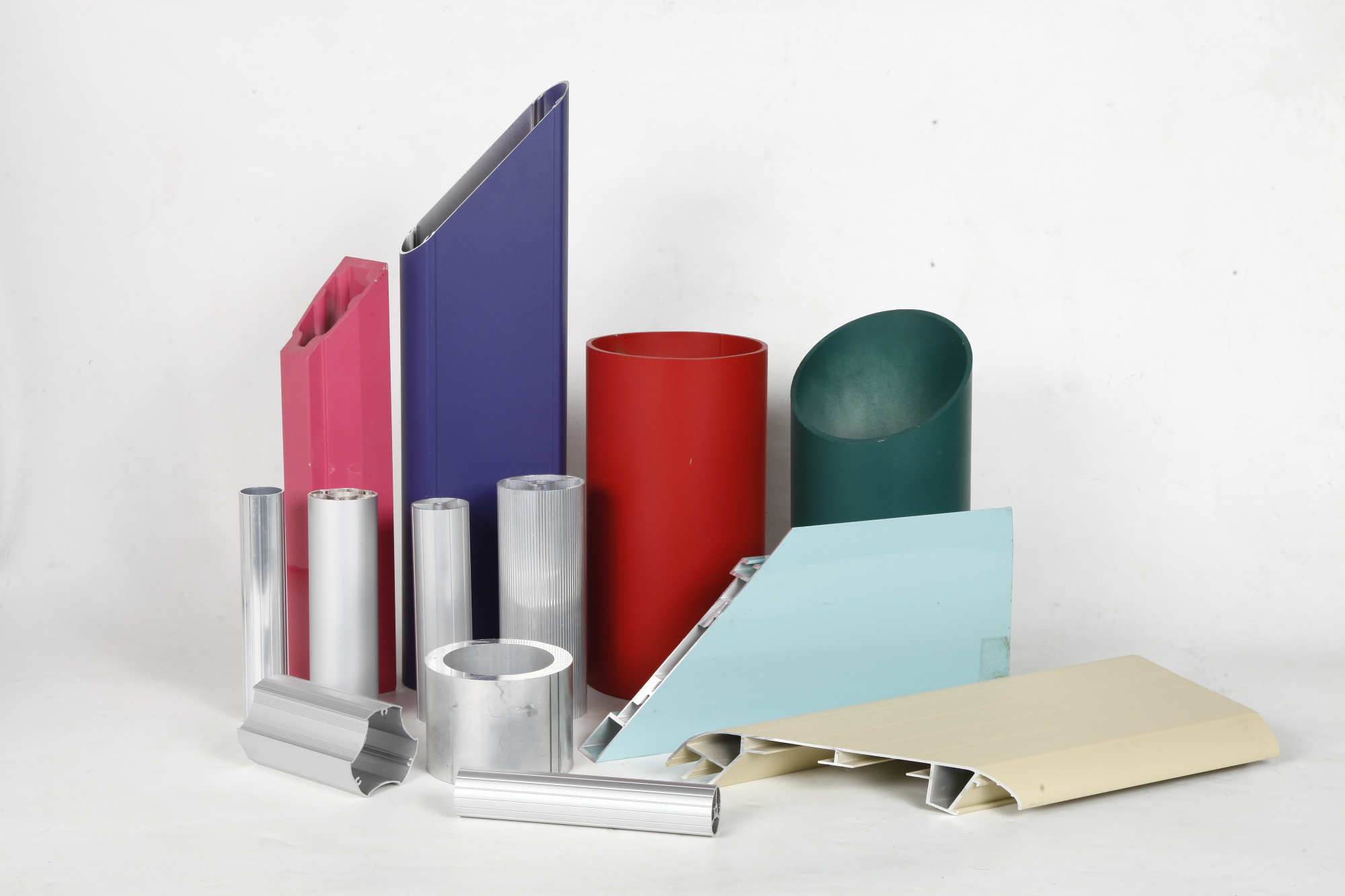
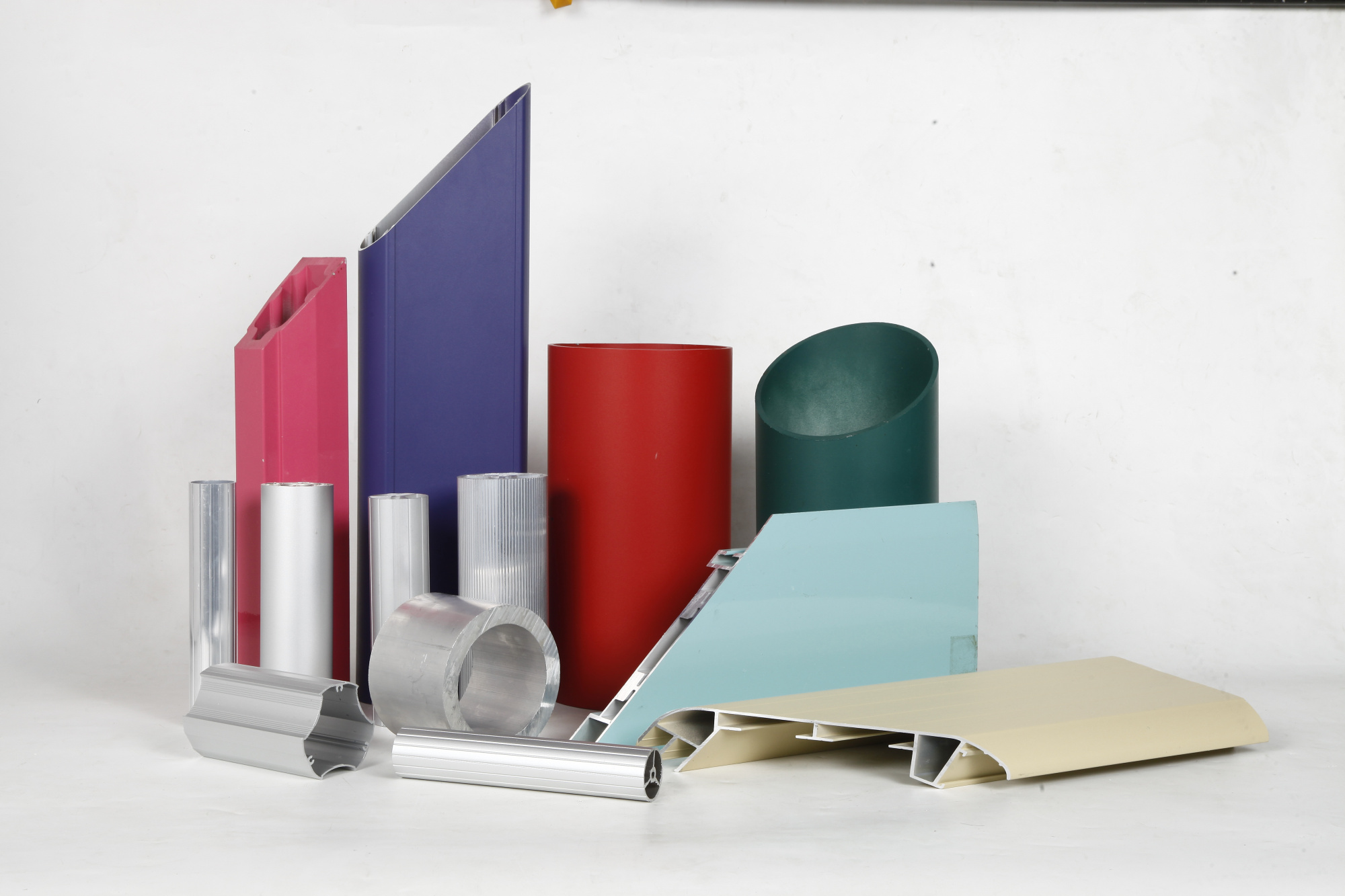
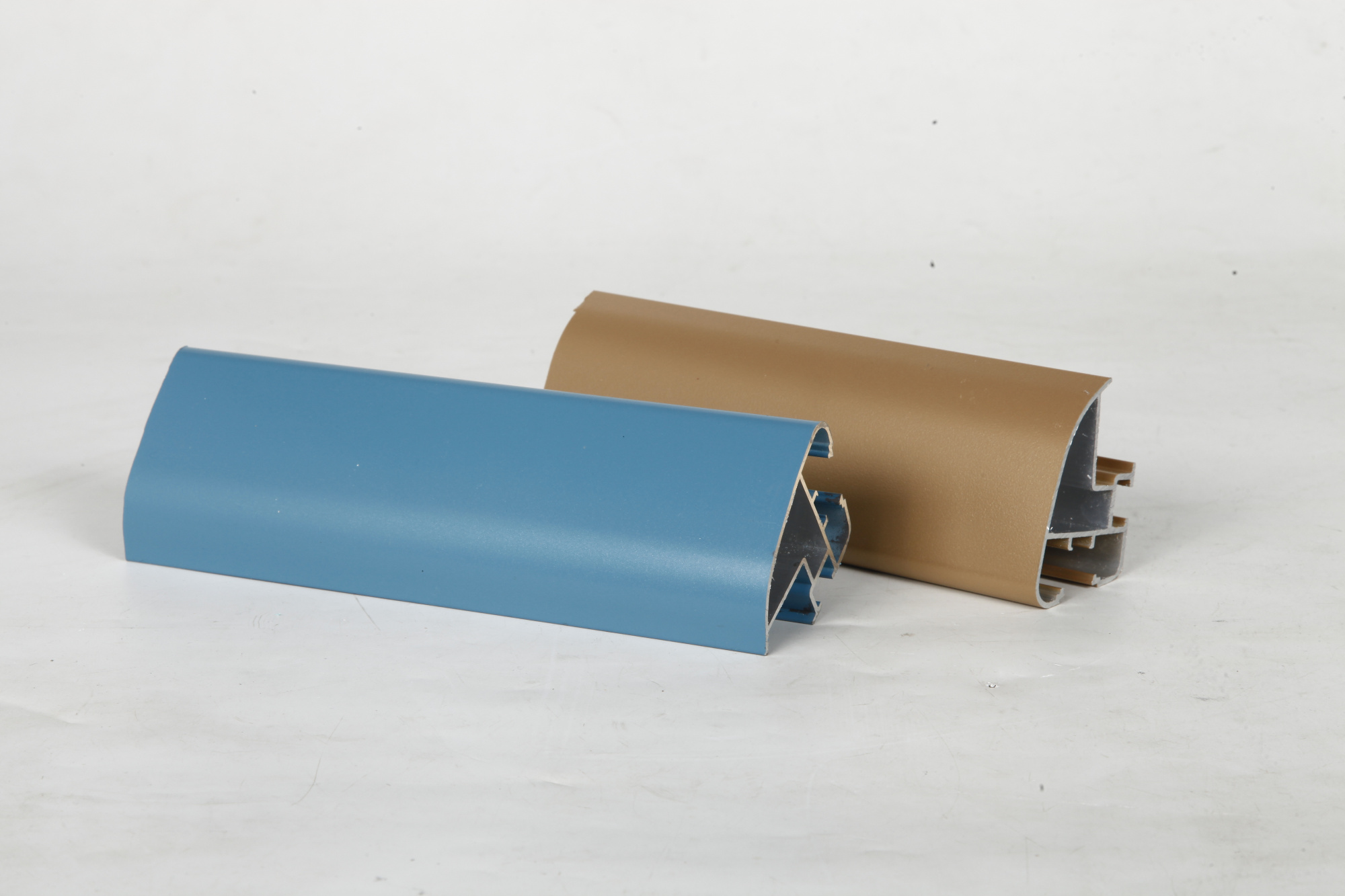
Aluminum aircraft extrusions are specialized structural components manufactured through a precision extrusion process designed specifically for aerospace applications. These components are created by forcing heated aluminum alloys through custom-designed dies to produce complex cross-sectional profiles with exceptional dimensional accuracy. The main functions of aluminum aircraft extrusions include providing lightweight structural support, creating aerodynamic shapes, and forming critical framework elements throughout aircraft construction. These extrusions serve as essential building blocks for fuselage frames, wing spars, stringers, and various reinforcement members that demand superior strength-to-weight ratios. The technological features of aluminum aircraft extrusions encompass advanced metallurgical properties achieved through specific alloy compositions, typically utilizing 2xxx, 6xxx, and 7xxx series aluminum alloys that offer optimal combinations of strength, corrosion resistance, and formability. Manufacturing processes incorporate precision tolerance controls, heat treatment procedures, and quality verification systems that ensure compliance with rigorous aerospace standards including AS9100 and industry specifications. Applications for aluminum aircraft extrusions span commercial aviation, military aircraft, helicopters, unmanned aerial vehicles, and space exploration systems. These components find use in primary structures such as longitudinal stringers and circumferential frames, secondary structures including floor beams and seat tracks, and interior components ranging from overhead bins to galley frameworks. The versatility of aluminum aircraft extrusions enables engineers to optimize designs for specific performance requirements while maintaining structural integrity throughout demanding flight conditions and extended service lifespans.