aluminum extrusion machining
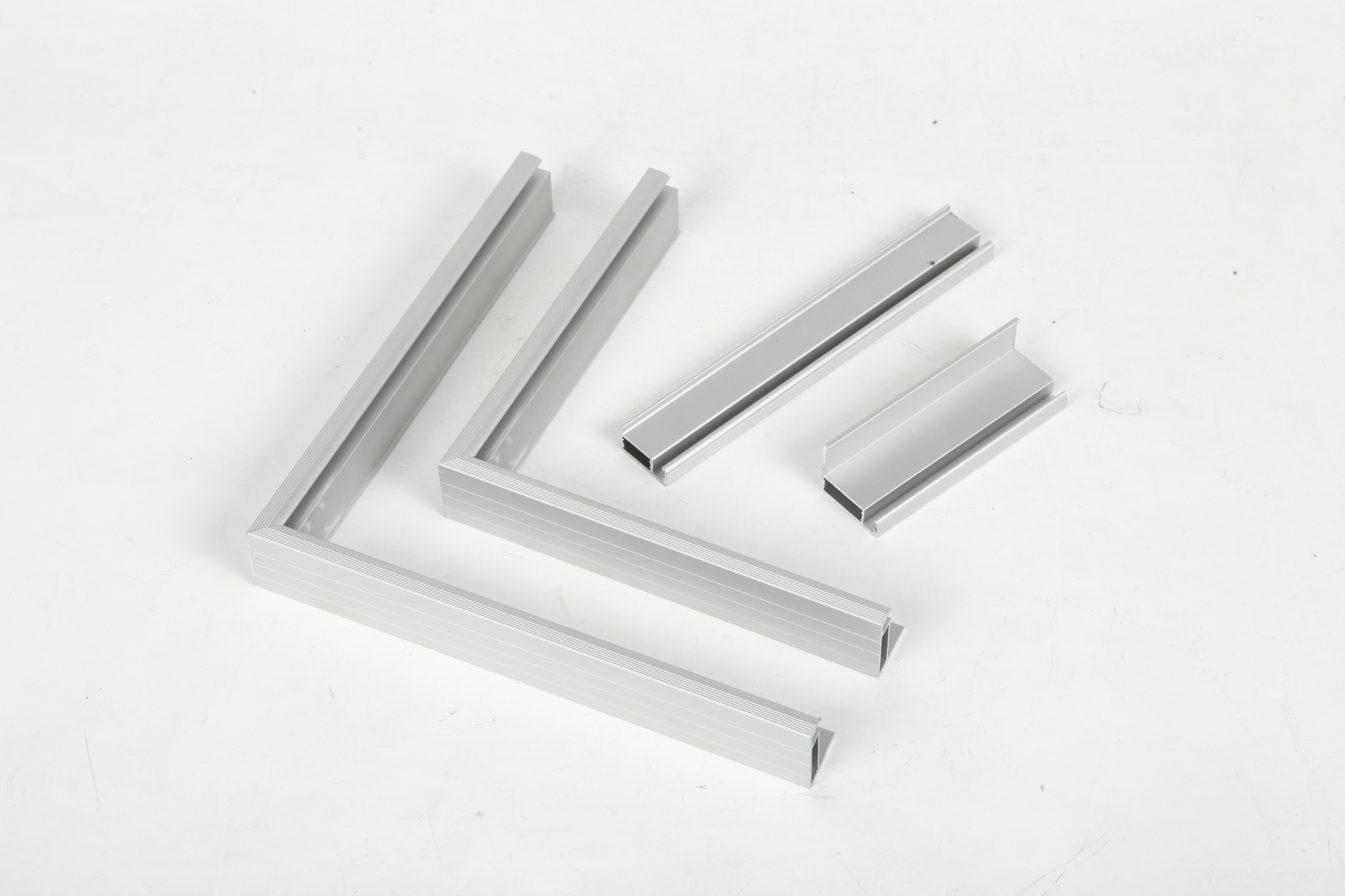
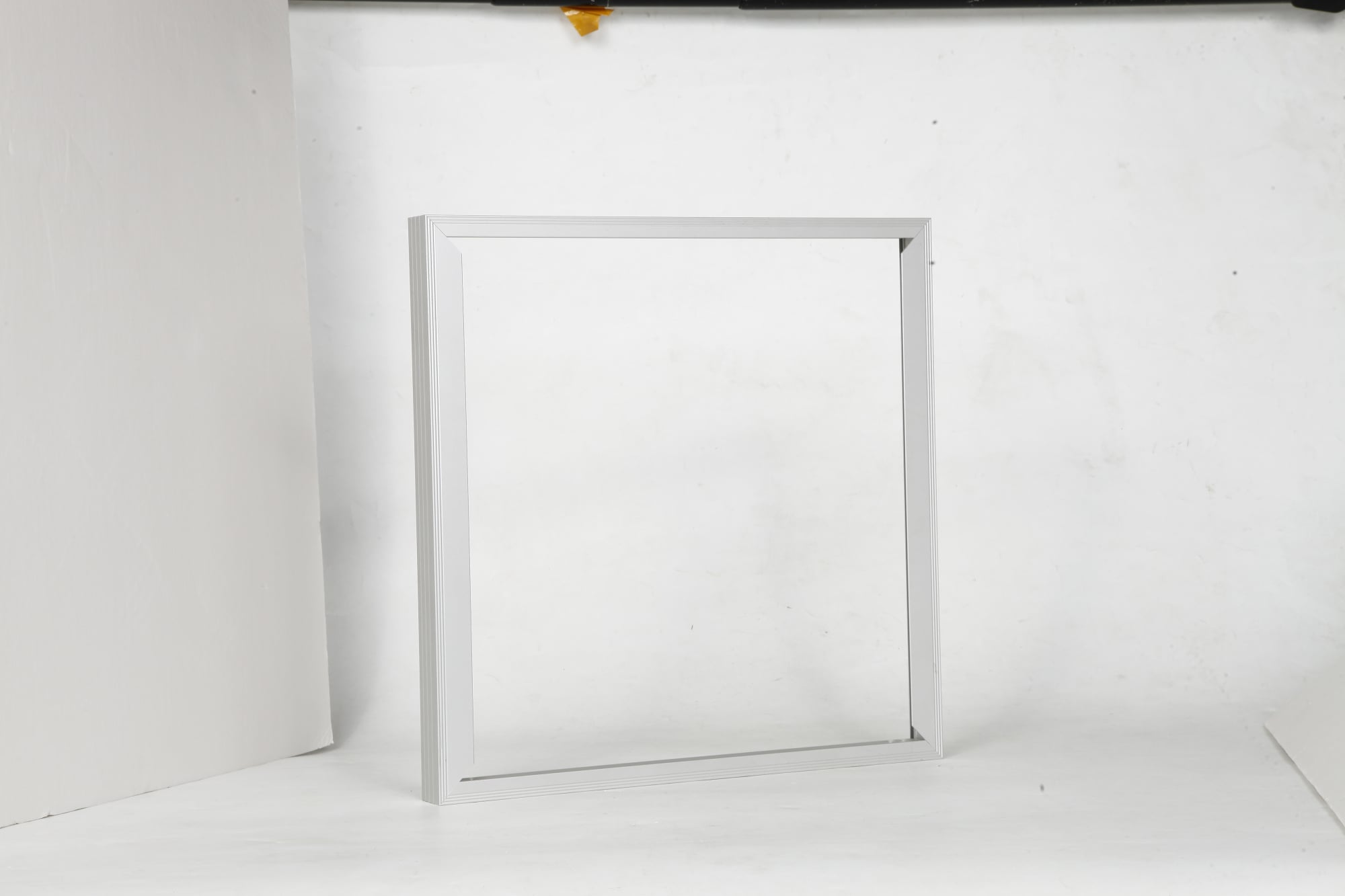
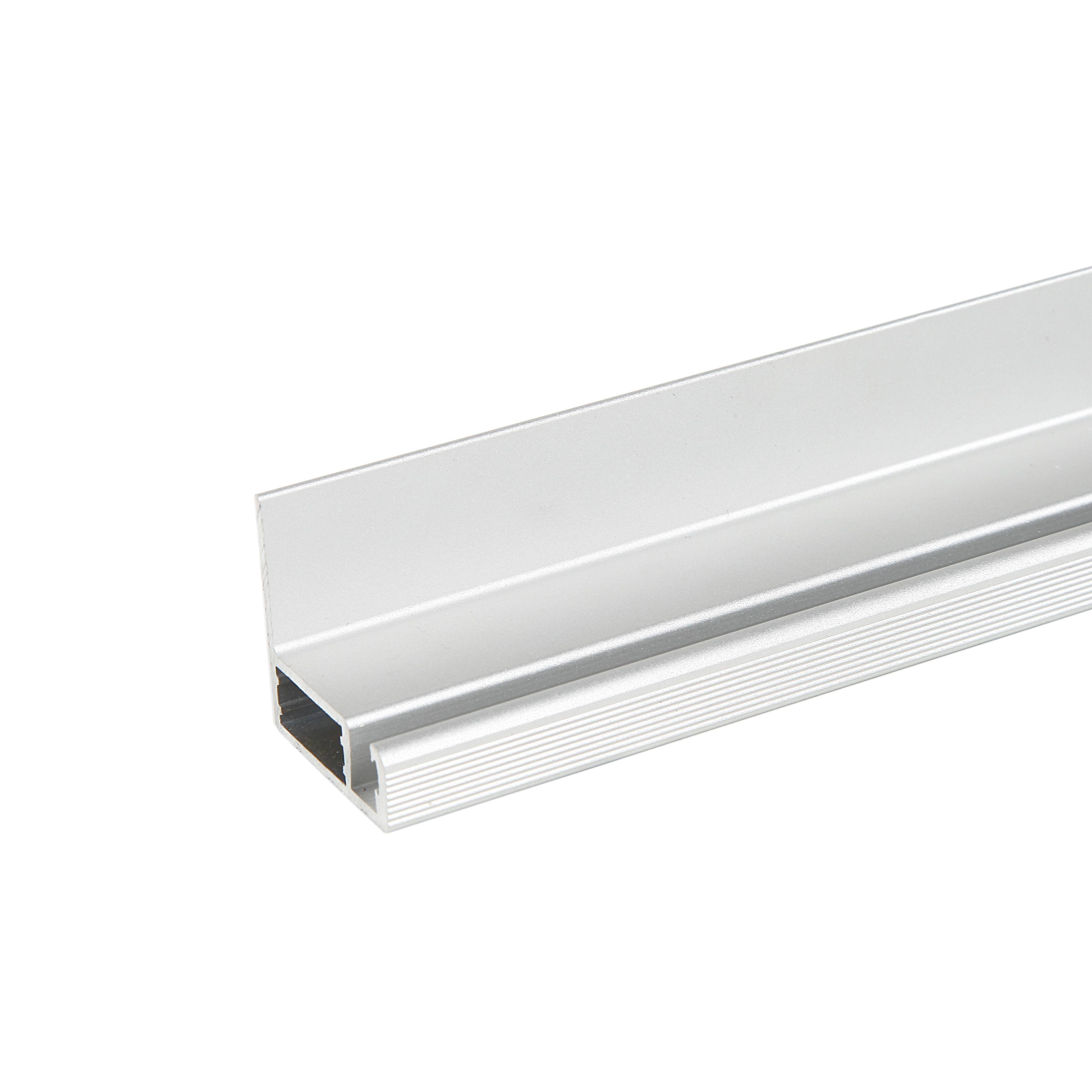
Aluminum extrusion machining is a specialized manufacturing process that combines aluminum extrusion with precision machining operations to create custom metal components with exact specifications. This process begins with extruded aluminum profiles that are then subjected to secondary machining operations such as drilling, milling, cutting, tapping, and threading to achieve the final product dimensions and features. The main functions of aluminum extrusion machining include producing complex geometric shapes, creating tight tolerances, adding functional features like holes and threads, and finishing surfaces to meet specific application requirements. The technological features of this process include CNC-controlled precision, multi-axis machining capabilities, automated production workflows, and quality control systems that ensure consistency across production runs. Aluminum extrusion machining offers exceptional versatility in creating parts ranging from simple brackets to intricate architectural components and heat sinks. Applications span numerous industries including aerospace, automotive, construction, electronics, and transportation sectors. The process is particularly valuable for manufacturing window frames, door systems, electronic enclosures, LED lighting fixtures, structural components, heat management systems, and custom industrial parts. By combining the efficiency of extrusion with the precision of machining, this technology delivers cost-effective solutions for both prototype development and high-volume production. The ability to work with various aluminum alloys provides flexibility in achieving specific mechanical properties, corrosion resistance, and surface finish requirements that meet demanding industry standards and customer expectations.