Aluminium Profile for CNC - Precision & Strength

Get a Free Quote

Our representative will contact you soon.
Email
Mobile/WhatsApp
Name
Company Name
Message
0/1000

aluminium profile for cnc

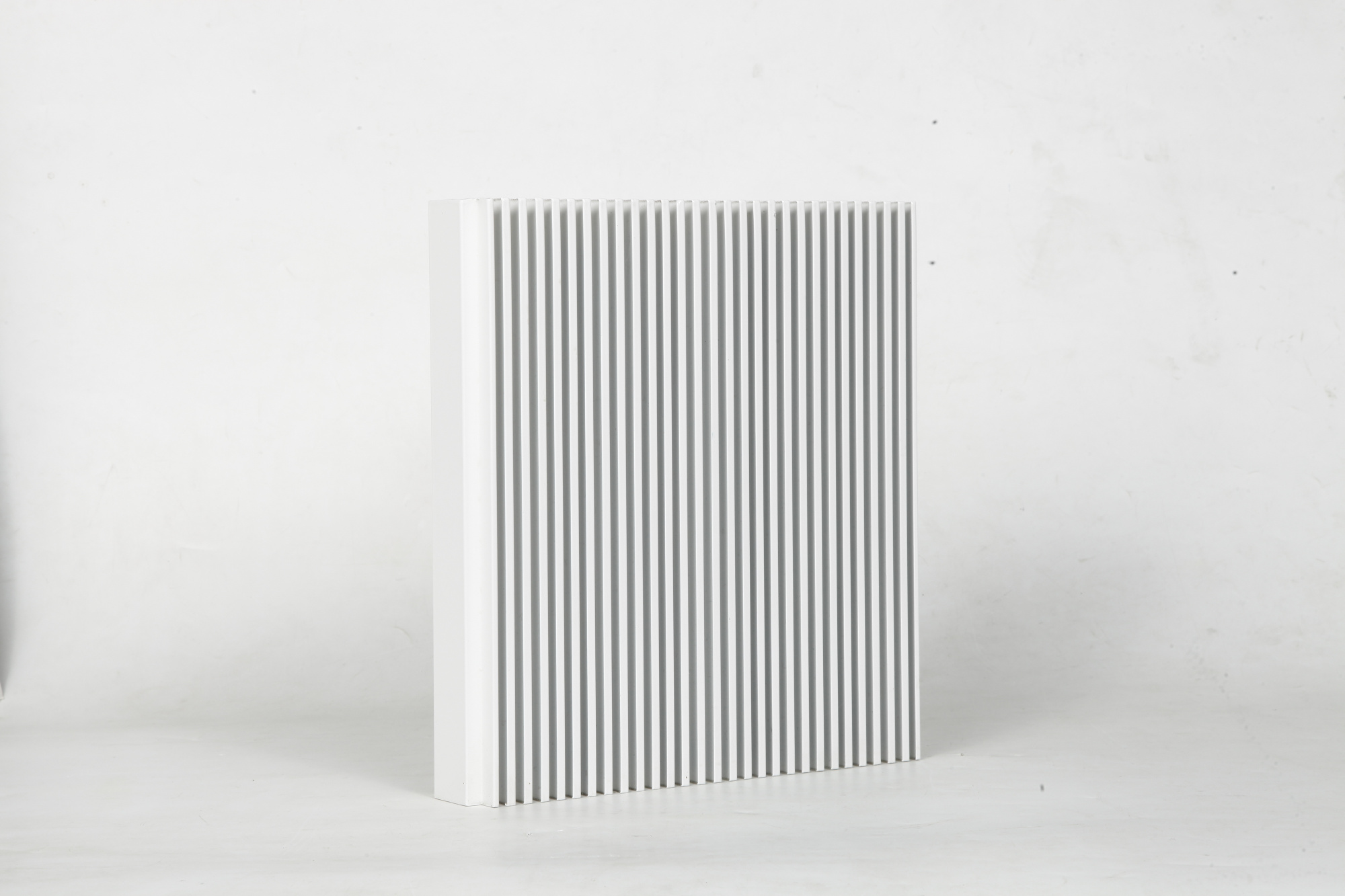
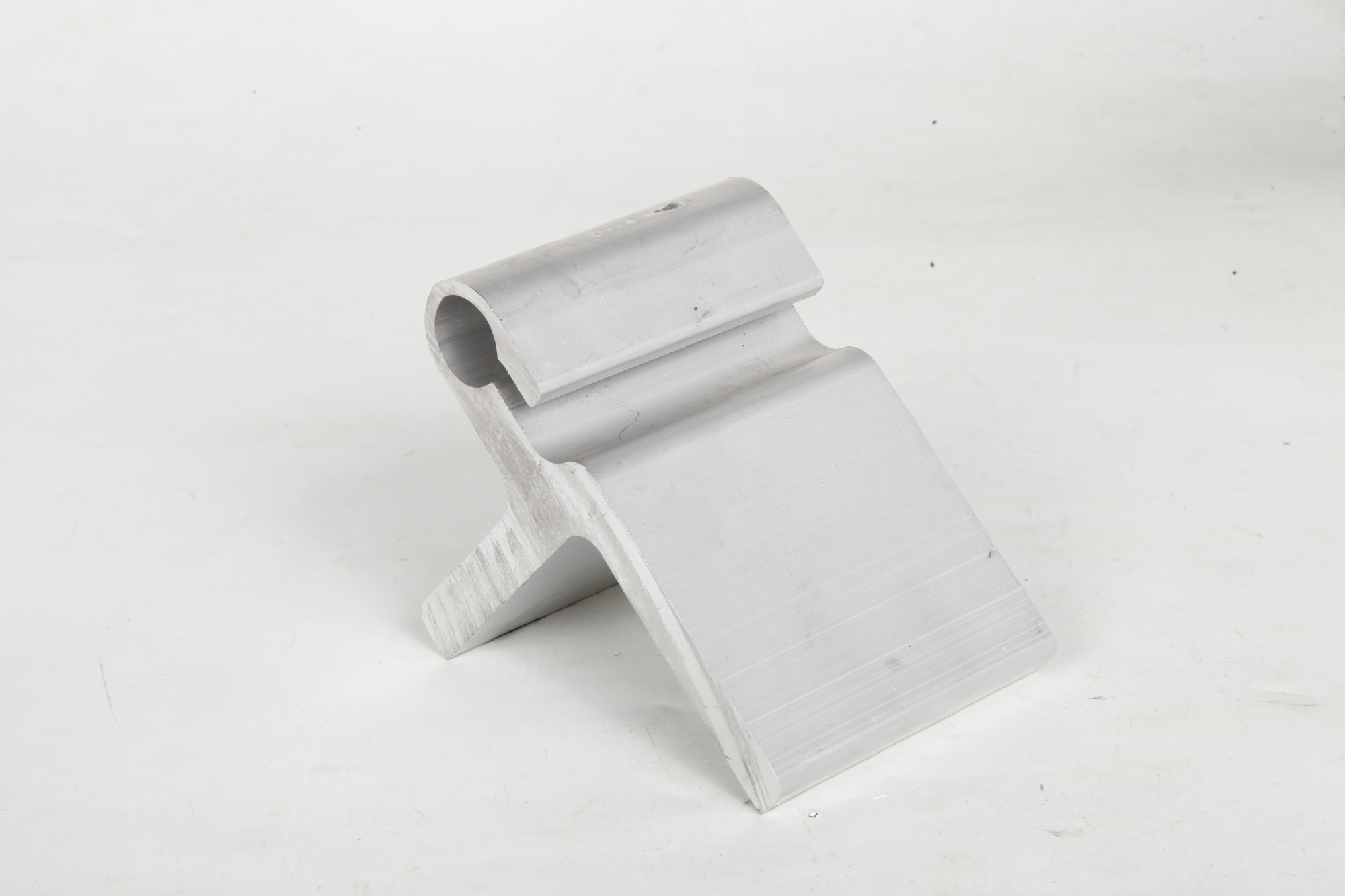
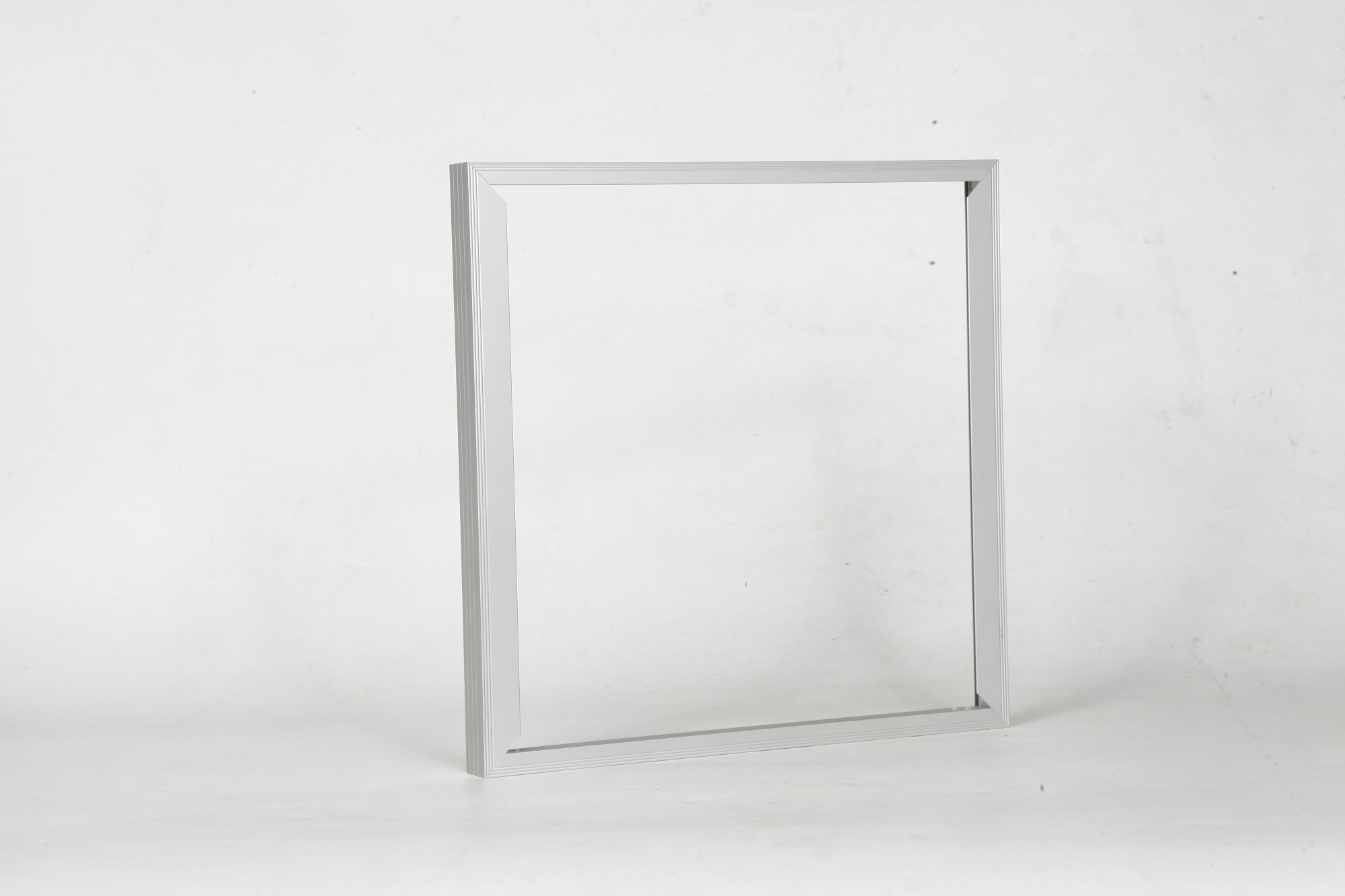
Aluminium profile for CNC represents a specialized structural component designed specifically for precision machining operations on computer numerical control equipment. These profiles are manufactured from high-grade aluminium alloys that offer exceptional dimensional stability and machinability, making them ideal for automated manufacturing processes. The main function of aluminium profile for CNC is to provide a reliable framework for machine components, workholding fixtures, and automation systems that require tight tolerances and consistent performance. Technological features include extruded construction with precise geometric specifications, T-slot configurations for versatile mounting options, and surface treatments that enhance wear resistance. The material composition typically involves 6000-series aluminium alloys that balance strength with workability, allowing CNC machines to process these profiles efficiently without excessive tool wear. Applications span across industrial automation, robotics assembly, custom machinery construction, and prototype development where lightweight yet durable structural elements are essential. The profiles come in various cross-sectional shapes and sizes to accommodate different load requirements and mounting configurations. Their modular nature enables rapid assembly and reconfiguration of manufacturing systems, while the material's excellent thermal conductivity helps manage heat generated during machining operations. The aluminium profile for CNC serves as a foundational building block in modern manufacturing environments where precision, flexibility, and efficiency are paramount to operational success.

New Products

Choosing aluminium profile for CNC delivers significant practical benefits that directly impact your manufacturing efficiency and cost structure. The lightweight nature of aluminium reduces the overall mass of machinery and fixtures, which translates to lower energy consumption during operation and easier manual handling during assembly or maintenance procedures. You gain faster machining speeds because aluminium's excellent machinability allows cutting tools to move through the material smoothly, reducing cycle times and increasing productivity without compromising surface finish quality. The corrosion-resistant properties mean your investments maintain their structural integrity and appearance even in challenging industrial environments, eliminating the need for frequent replacements or protective coatings. Operational benefits include simplified modification capabilities, as the aluminium profile for CNC can be easily drilled, tapped, or cut to accommodate design changes without specialized equipment or lengthy setup procedures. The standardized T-slot design provides universal compatibility with a wide range of fasteners and accessories, giving you flexibility to adapt systems as production requirements evolve. From a cost perspective, the material offers excellent value through its combination of durability and affordability compared to steel alternatives, while its recyclability supports sustainability initiatives and potential material recovery value. Application suitability extends across precision manufacturing sectors including aerospace component production, medical device assembly, electronics manufacturing, and custom automation projects where dimensional accuracy is critical. The thermal stability of aluminium profile for CNC ensures consistent performance during extended machining operations, preventing dimensional drift that could compromise part quality. This reliability reduces scrap rates and rework costs, improving your overall manufacturing yield and profitability.

Latest News

2025 Guangzhou Autumn Canton Fair Attend

06

May

2025 Guangzhou Autumn Canton Fair Attend

View More
New product Aluminum Guardrails With Safety Structure

06

May

New product Aluminum Guardrails With Safety Structure

View More
R&D Aluminum Planters & Flower Pots for Modern Outdoor & Indoor Use

06

May

R&D Aluminum Planters & Flower Pots for Modern Outdoor & Indoor Use

View More

Get a Free Quote

Our representative will contact you soon.
Email
Mobile/WhatsApp
Name
Company Name
Message
0/1000

aluminium profile for cnc

Superior Machinability and Processing Speed

Superior Machinability and Processing Speed

The aluminium profile for CNC excels in machining performance due to its optimal material composition that balances hardness with workability. When your CNC equipment engages with these profiles, cutting tools experience minimal resistance, which significantly extends tool life and reduces replacement costs over time. This superior machinability enables higher spindle speeds and feed rates without risking material deformation or poor surface finish, allowing you to complete projects faster and meet tight production deadlines. The material's chip-breaking characteristics ensure clean removal of machined material, preventing chip buildup that could damage both the workpiece and cutting tools. This processing efficiency becomes particularly valuable in high-volume manufacturing scenarios where every second of cycle time directly impacts throughput and profitability. Additionally, the consistent material properties throughout the profile cross-section eliminate unexpected variations in cutting forces, ensuring predictable tool paths and dimensional accuracy across all machined features. The reduced cutting forces also mean less stress on CNC machine components, contributing to longer equipment service life and reduced maintenance requirements for your manufacturing operations.
Modular Design Flexibility and Rapid Assembly

Modular Design Flexibility and Rapid Assembly

The standardized design of aluminium profile for CNC provides unmatched flexibility in creating custom manufacturing solutions without complex fabrication processes. The integrated T-slot channels allow you to attach mounting plates, linear guides, sensors, and other components using simple drop-in fasteners that require no welding or permanent modifications. This modularity means you can reconfigure production lines, workstations, or automation systems quickly in response to changing product requirements or process improvements. The ability to disassemble and reuse profile components across different projects maximizes your capital equipment investment and reduces material waste. When prototyping new machinery concepts, the aluminium profile for CNC enables rapid iteration cycles where design modifications can be implemented and tested within hours rather than days or weeks required for custom-fabricated structures. The precise dimensional tolerances maintained during extrusion ensure that profiles align accurately when assembled, eliminating time-consuming adjustment procedures and ensuring structural rigidity. This design approach also simplifies spare parts management, as standardized profile sections can serve multiple applications throughout your facility, reducing inventory complexity and associated carrying costs while ensuring component availability when needed.
Exceptional Strength-to-Weight Performance

Exceptional Strength-to-Weight Performance

Despite its lightweight characteristics, the aluminium profile for CNC delivers impressive structural strength that supports demanding industrial applications. The engineered cross-sectional geometry distributes loads efficiently, providing high bending and torsional rigidity comparable to much heavier steel profiles. This strength-to-weight advantage becomes critical in applications where minimizing inertia improves system responsiveness, such as robotic arms, gantry systems, or automated positioning equipment. Reduced structural weight also decreases foundation requirements for machinery installations, potentially lowering construction costs and enabling placement on elevated platforms or mobile bases. The material's natural vibration-damping properties help absorb cutting forces and operational vibrations, contributing to improved machining accuracy and surface finish quality on workpieces. When building large-scale automation systems, the cumulative weight savings from using aluminium profile for CNC instead of steel can amount to substantial reductions in total system mass, improving energy efficiency and reducing wear on motion control components. The profiles maintain their mechanical properties across a wide temperature range, ensuring consistent performance in both climate-controlled manufacturing environments and facilities subject to temperature variations, providing reliability across diverse operational conditions.

Get a Free Quote

Our representative will contact you soon.
Email
Mobile/WhatsApp
Name
Company Name
Message
0/1000

Copyright © 2026 Huilong Aluminium Industry Co., LTD. All rights reserved.  -  Privacy policy