Extruded Aluminum Heatsink Solutions

Get a Free Quote

Our representative will contact you soon.
Email
Mobile/WhatsApp
Name
Company Name
Message
0/1000

extruded aluminum heatsink

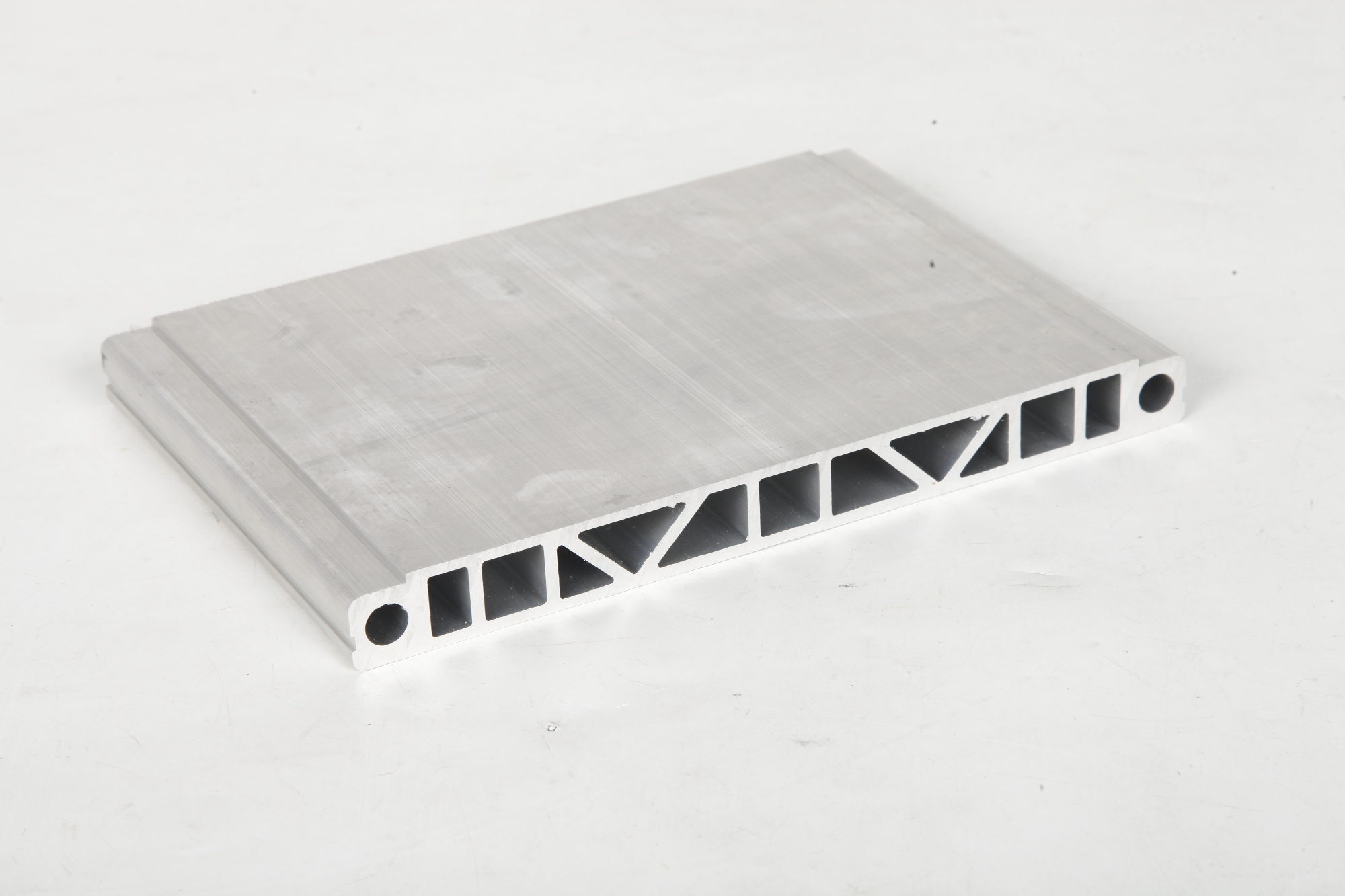
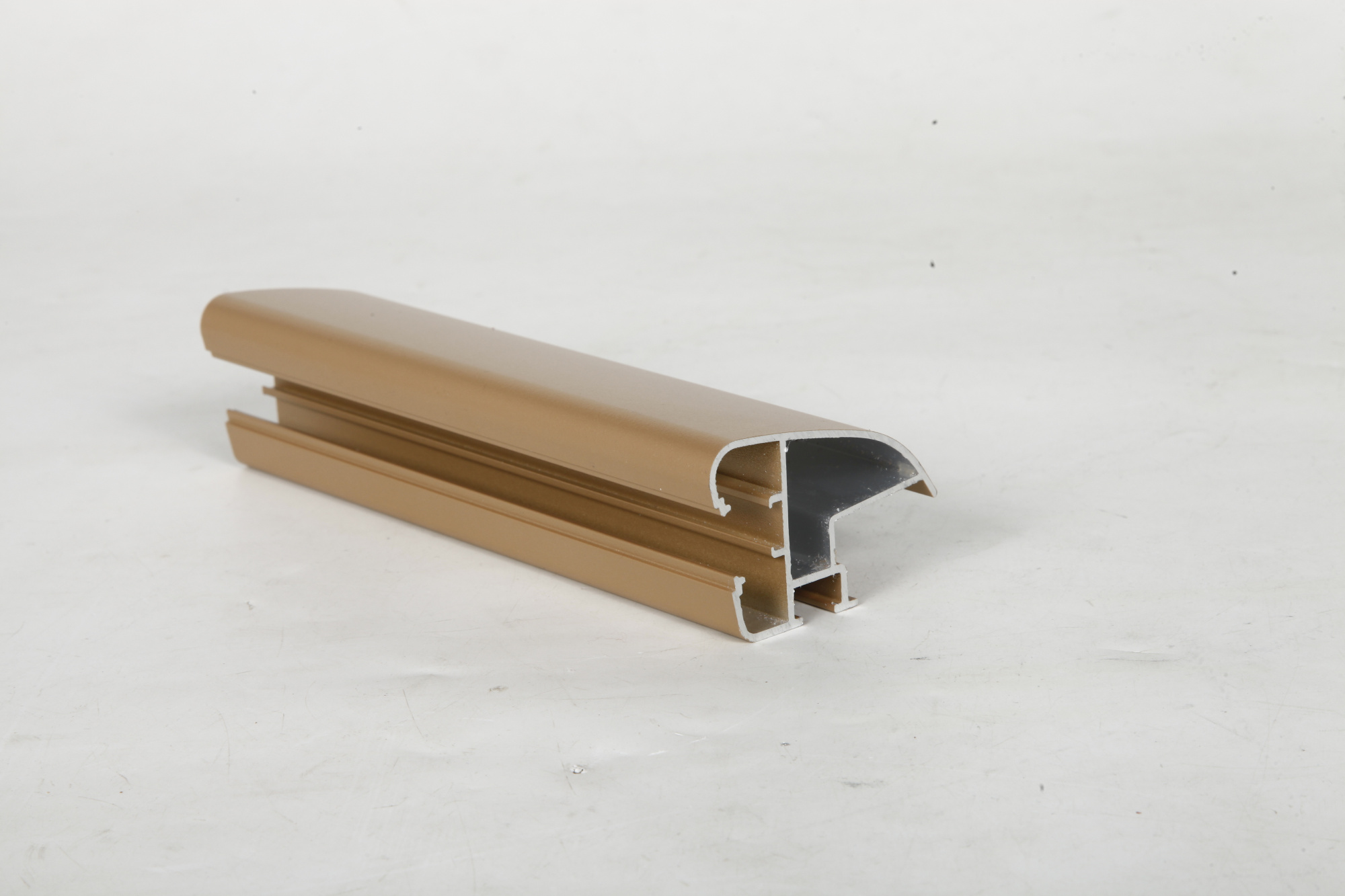
An extruded aluminum heatsink is a thermal management component designed to dissipate heat from electronic devices and power systems efficiently. Manufactured through an extrusion process, molten aluminum is forced through a shaped die to create complex fin patterns and geometries that maximize surface area for optimal heat transfer. This cooling solution plays a critical role in maintaining safe operating temperatures for processors, LED lighting systems, power supplies, amplifiers, and industrial equipment. The extruded aluminum heatsink combines excellent thermal conductivity with lightweight construction, making it ideal for applications where heat dissipation and weight constraints are both important considerations. The extrusion process allows manufacturers to produce consistent profiles with intricate designs, including straight fins, pin fins, and custom shapes tailored to specific cooling requirements. These heatsinks work by conducting heat away from hot components through their aluminum base, then radiating and convecting that thermal energy into the surrounding air through extended fin surfaces. The natural properties of aluminum, including its high thermal conductivity of approximately 205 watts per meter-kelvin, combined with the ability to create optimized fin geometries, make the extruded aluminum heatsink a preferred choice across consumer electronics, automotive systems, telecommunications equipment, and renewable energy applications. Available in various sizes, fin densities, and mounting configurations, these thermal solutions can be further enhanced with anodizing treatments for improved corrosion resistance and surface emissivity, or machined for precise component integration.

New Products

Choosing an extruded aluminum heatsink delivers multiple practical benefits that directly impact your product performance and bottom line. The manufacturing process creates cost-effective thermal solutions suitable for both small-scale prototypes and high-volume production runs, reducing your overall component costs without sacrificing cooling performance. You gain access to flexible design options since extrusion accommodates complex fin patterns and custom profiles that match your exact thermal requirements and space limitations. The lightweight nature of aluminum means your devices remain portable and easy to install while still achieving robust heat dissipation, particularly valuable in mobile electronics and aerospace applications where every gram matters. Installation becomes straightforward with various mounting options including clip attachments, screw holes, and adhesive surfaces, saving assembly time and labor costs. The excellent thermal conductivity ensures rapid heat transfer from critical components, extending the lifespan of your electronics and reducing failure rates that could damage your brand reputation. You benefit from superior durability since aluminum naturally forms a protective oxide layer that resists corrosion in diverse environmental conditions, minimizing maintenance requirements and replacement frequency. The extruded aluminum heatsink also supports passive cooling strategies, eliminating the need for fans or active cooling systems that consume power, generate noise, and introduce additional failure points. This translates to quieter operation and lower energy consumption for your end users. Surface treatments like anodizing provide customization opportunities for color matching, enhanced heat radiation, and electrical insulation properties. Whether you need thermal management for LED drivers, power converters, automotive electronics, or computer processors, these heatsinks adapt to demanding applications while maintaining consistent performance across temperature variations and ensuring regulatory compliance with thermal standards.

Latest News

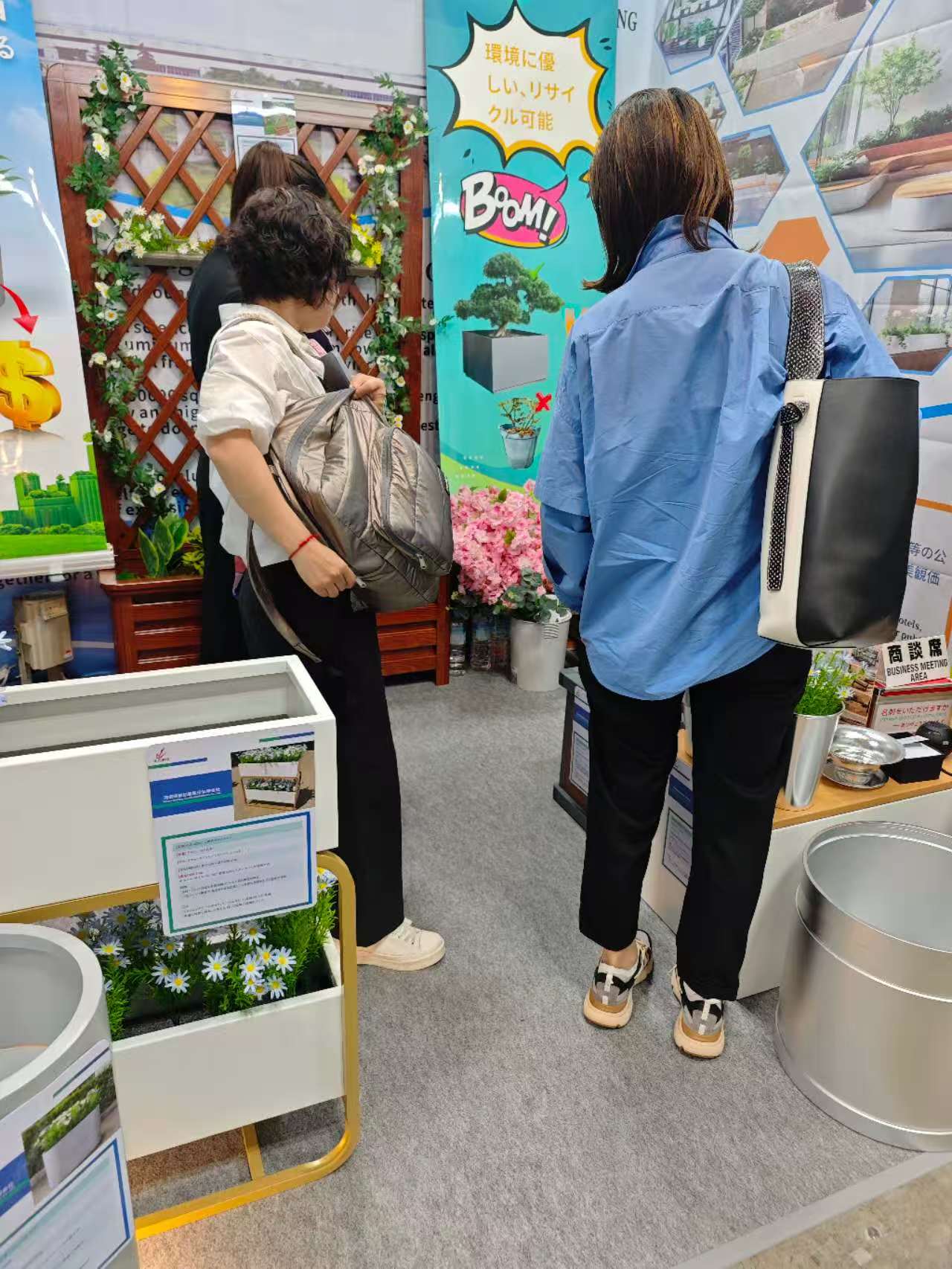
2025 Guangzhou Autumn Canton Fair Attend

06

May

2025 Guangzhou Autumn Canton Fair Attend

View More
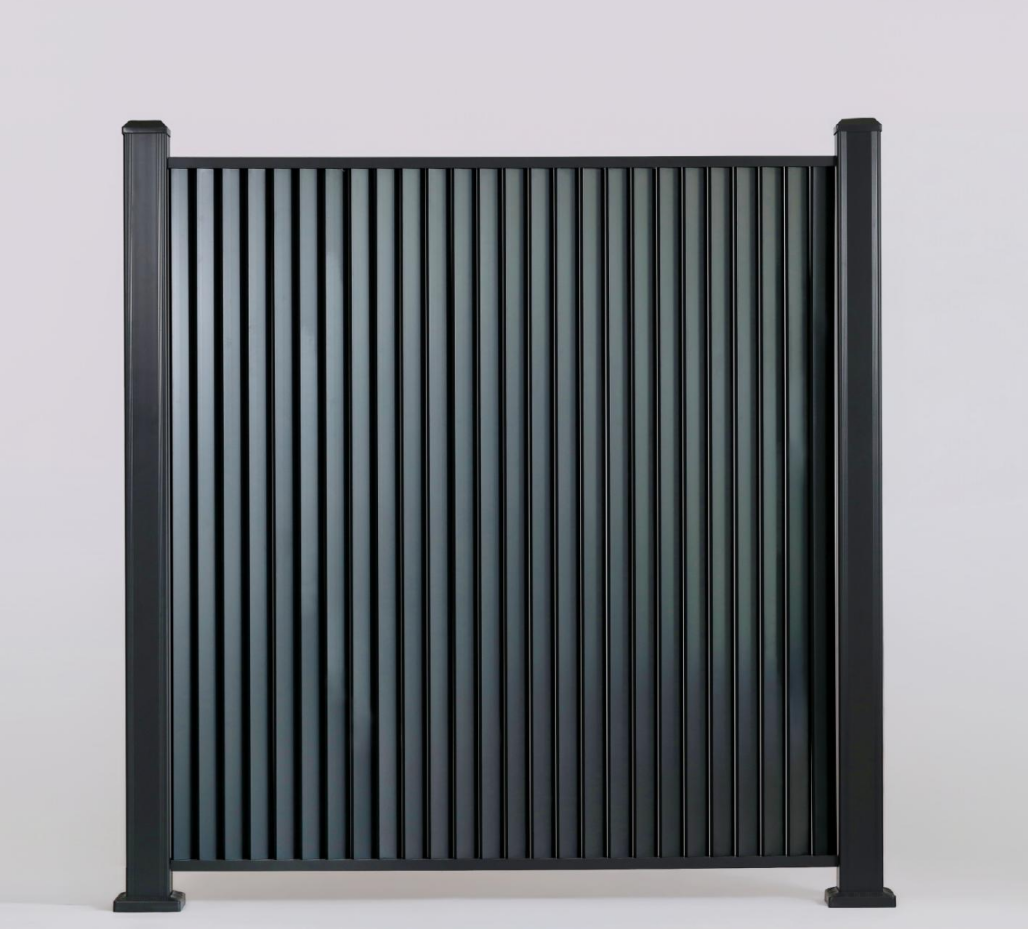
New product Aluminum Guardrails With Safety Structure

06

May

New product Aluminum Guardrails With Safety Structure

View More
R&D Aluminum Planters & Flower Pots for Modern Outdoor & Indoor Use

06

May

R&D Aluminum Planters & Flower Pots for Modern Outdoor & Indoor Use

View More

Get a Free Quote

Our representative will contact you soon.
Email
Mobile/WhatsApp
Name
Company Name
Message
0/1000

extruded aluminum heatsink

Superior Manufacturing Precision and Design Flexibility

Superior Manufacturing Precision and Design Flexibility

The extrusion process used to create each extruded aluminum heatsink enables exceptional manufacturing precision and virtually unlimited design possibilities that traditional fabrication methods cannot match. During extrusion, heated aluminum billets are forced through precision-engineered dies at controlled speeds, producing continuous profiles with consistent cross-sectional geometry and tight dimensional tolerances. This manufacturing approach allows engineers to incorporate intricate fin designs, variable fin spacing, complex base geometries, and integrated mounting features directly into the heatsink profile without secondary operations. You can specify thin fins for maximum surface area density or thicker fins for improved durability depending on your application needs. The process accommodates various aluminum alloys, with 6063 and 6061 being most common for their optimal balance of extrudability, thermal performance, and mechanical strength. Design iterations occur quickly since new die tooling costs significantly less than machining or casting alternatives, accelerating your product development cycles. The continuous nature of extrusion also means exceptionally long heatsinks can be produced and cut to custom lengths, reducing material waste and providing exact-fit solutions for your assemblies while maintaining structural integrity throughout the entire profile length.
Outstanding Thermal Performance with Economic Efficiency

Outstanding Thermal Performance with Economic Efficiency

An extruded aluminum heatsink delivers exceptional heat dissipation capabilities while maintaining remarkable cost efficiency compared to alternative thermal management solutions. Aluminum's inherent thermal conductivity allows rapid heat spreading from concentrated hotspots across the entire heatsink base, then efficiently transferring that thermal energy through extended fin surfaces where convection and radiation carry heat into the ambient environment. The extrusion process creates optimal fin geometries that maximize the surface area-to-volume ratio, significantly enhancing cooling performance without adding excessive weight or material costs. This economic advantage becomes particularly evident in high-volume manufacturing where extrusion's continuous production process reduces per-unit costs substantially compared to machined or fabricated alternatives. You achieve predictable thermal performance since the uniform material properties and consistent cross-sections eliminate hot spots or weak points that could compromise cooling effectiveness. The combination of low material costs, efficient manufacturing, minimal waste, and no need for complex assembly makes the extruded aluminum heatsink an intelligent choice for budget-conscious projects that cannot compromise on thermal management. Additional cost savings emerge from reduced warranty claims and extended product lifespan when components operate within safe temperature ranges, protecting your profit margins while delivering reliable performance your customers expect.
Versatile Application Adaptability and Finishing Options

Versatile Application Adaptability and Finishing Options

The extruded aluminum heatsink demonstrates remarkable versatility across diverse industries and applications while offering extensive finishing options that enhance both functionality and aesthetics. These thermal solutions perform reliably in consumer electronics like laptop computers and gaming consoles, industrial settings including motor drives and welding equipment, automotive applications such as electric vehicle battery cooling and LED headlight thermal management, and telecommunications infrastructure where power amplifiers and signal processors generate substantial heat. The base extrusion serves as a platform for secondary operations including precision machining for component mounting surfaces, drilling and tapping for mechanical fasteners, and cutting to custom lengths for exact-fit integration. Surface finishing treatments expand capability further, with anodizing creating a hard, corrosion-resistant oxide layer that increases surface emissivity for improved radiation cooling while offering color options for brand differentiation or coding systems. Chemical conversion coating provides electrical insulation between the heatsink and components when required. Powder coating delivers enhanced environmental protection in harsh conditions involving moisture, chemicals, or salt exposure. You can even specify thermal interface material pre-application or attach fans for forced-air cooling when passive dissipation proves insufficient. This adaptability means a single extruded aluminum heatsink design can be modified for multiple product variants, simplifying your supply chain management while maintaining proven thermal performance across your entire product family.

Get a Free Quote

Our representative will contact you soon.
Email
Mobile/WhatsApp
Name
Company Name
Message
0/1000

Copyright © 2026 Huilong Aluminium Industry Co., LTD. All rights reserved.  -  Privacy policy