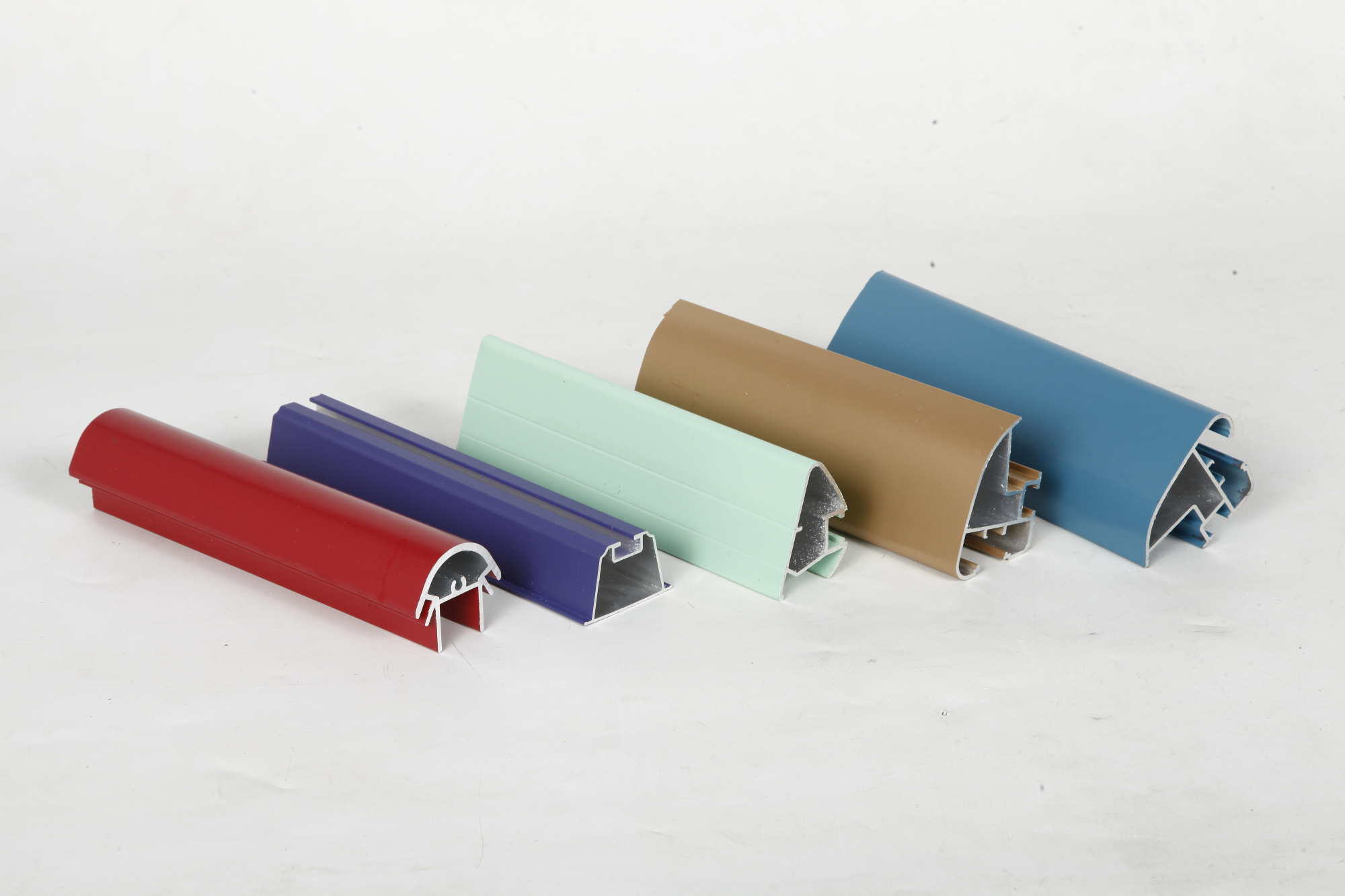
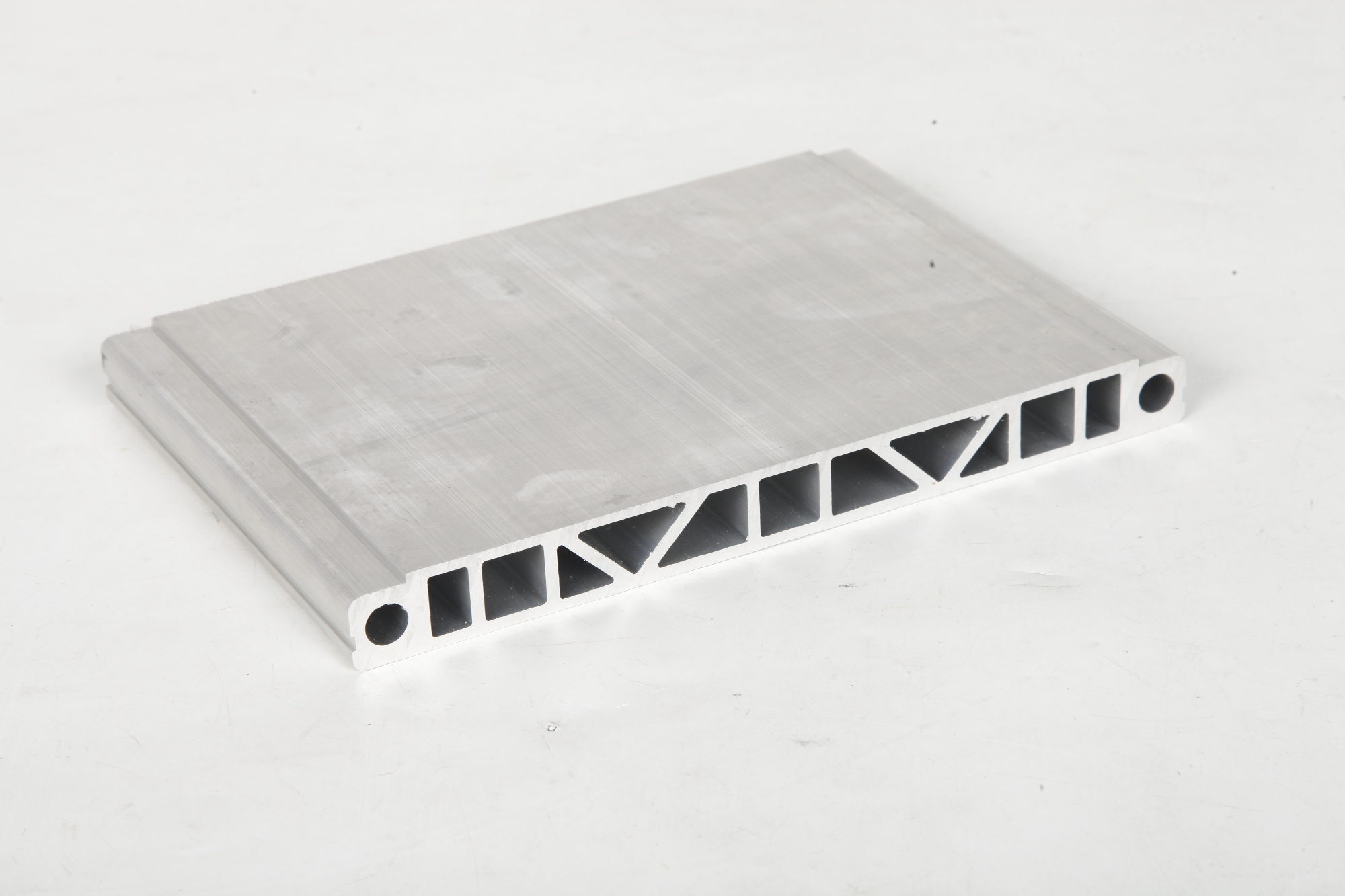
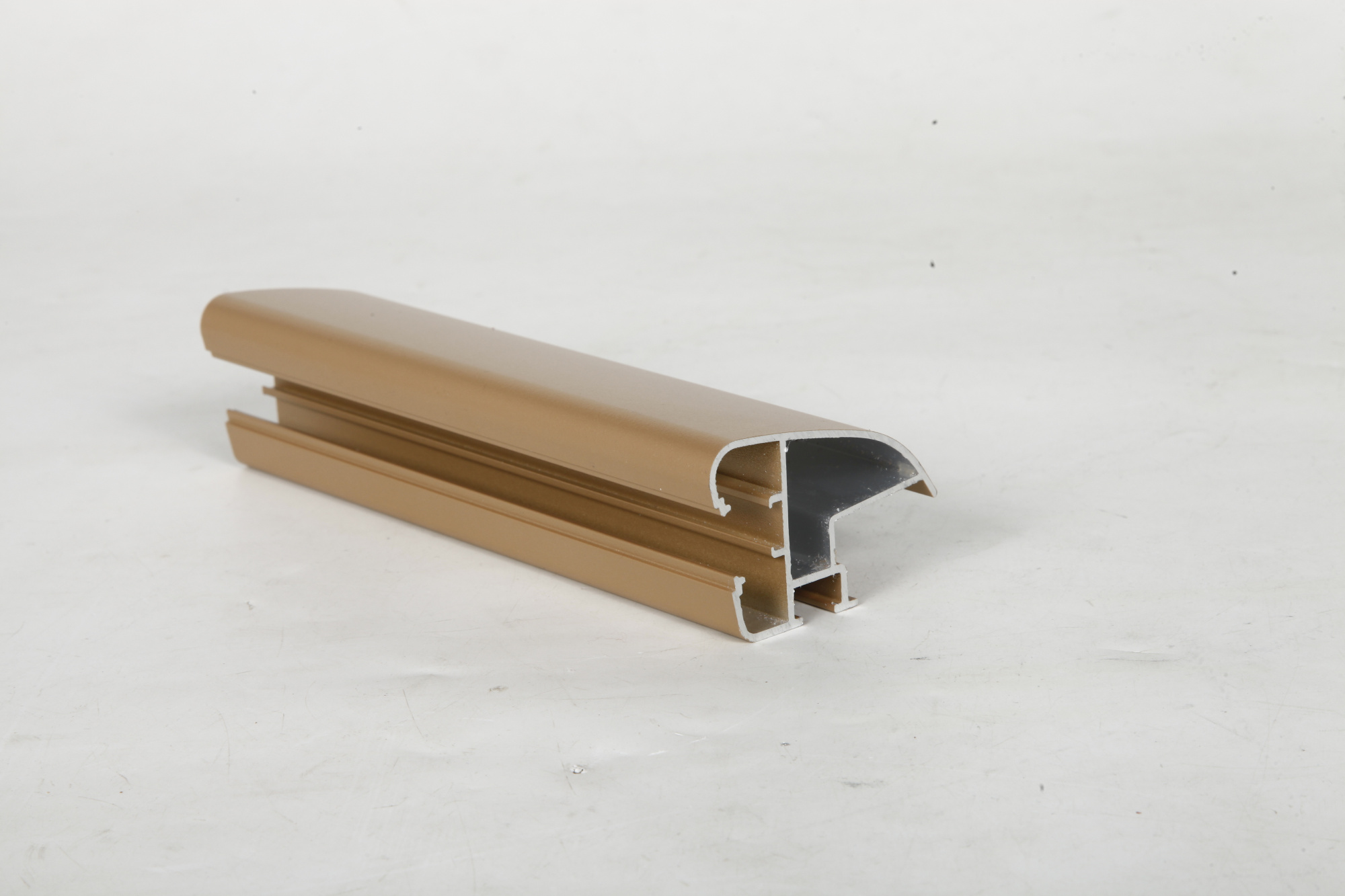
extruded aluminum heatsink
An extruded aluminum heatsink is a thermal management component designed to dissipate heat from electronic devices and power systems efficiently. Manufactured through an extrusion process, molten aluminum is forced through a shaped die to create complex fin patterns and geometries that maximize surface area for optimal heat transfer. This cooling solution plays a critical role in maintaining safe operating temperatures for processors, LED lighting systems, power supplies, amplifiers, and industrial equipment. The extruded aluminum heatsink combines excellent thermal conductivity with lightweight construction, making it ideal for applications where heat dissipation and weight constraints are both important considerations. The extrusion process allows manufacturers to produce consistent profiles with intricate designs, including straight fins, pin fins, and custom shapes tailored to specific cooling requirements. These heatsinks work by conducting heat away from hot components through their aluminum base, then radiating and convecting that thermal energy into the surrounding air through extended fin surfaces. The natural properties of aluminum, including its high thermal conductivity of approximately 205 watts per meter-kelvin, combined with the ability to create optimized fin geometries, make the extruded aluminum heatsink a preferred choice across consumer electronics, automotive systems, telecommunications equipment, and renewable energy applications. Available in various sizes, fin densities, and mounting configurations, these thermal solutions can be further enhanced with anodizing treatments for improved corrosion resistance and surface emissivity, or machined for precise component integration.