Aluminum Alloy Profiles: Versatile Solutions

Get a Free Quote

Our representative will contact you soon.
Email
Mobile/WhatsApp
Name
Company Name
Message
0/1000

aluminum alloy profiles

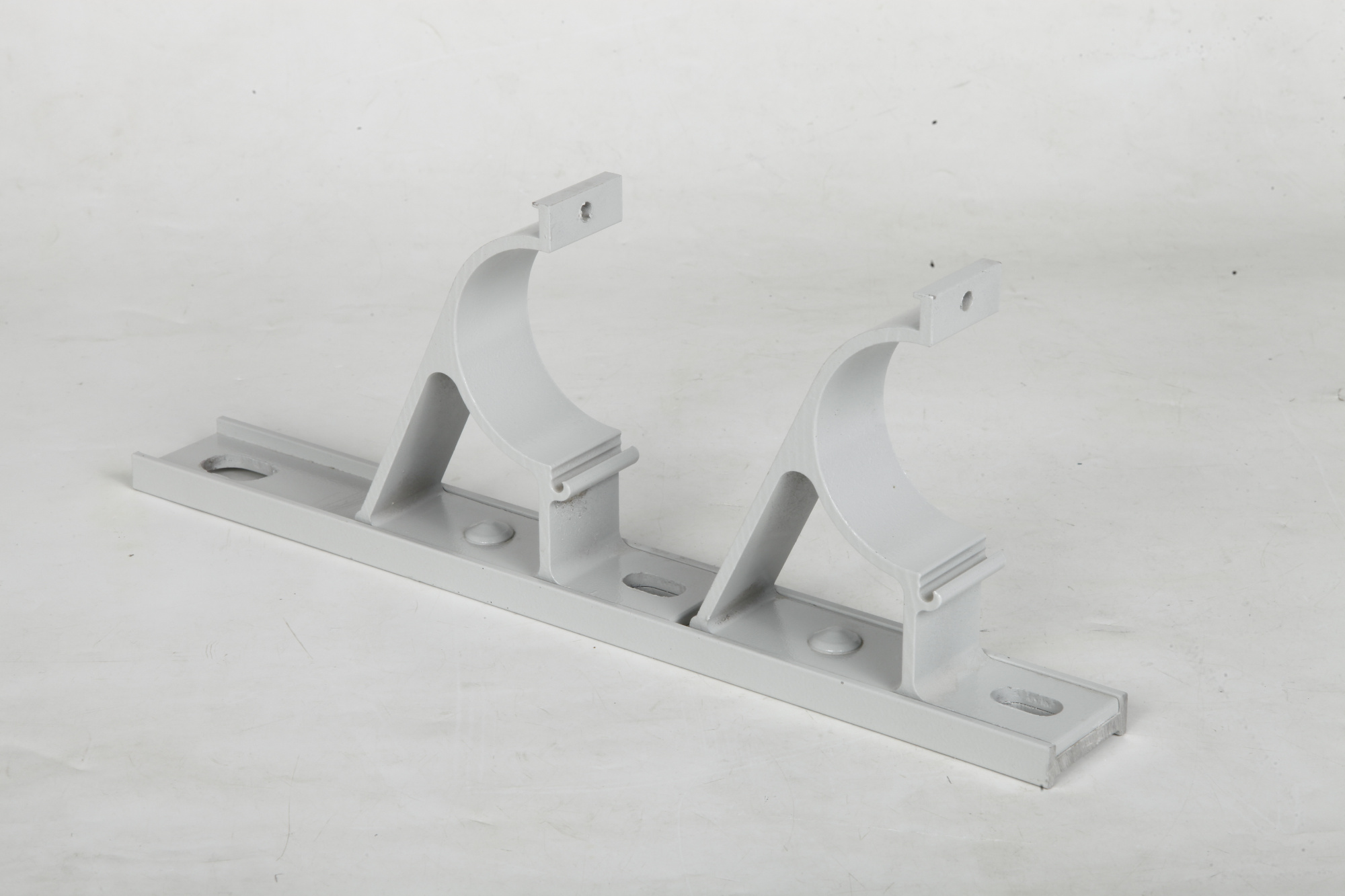
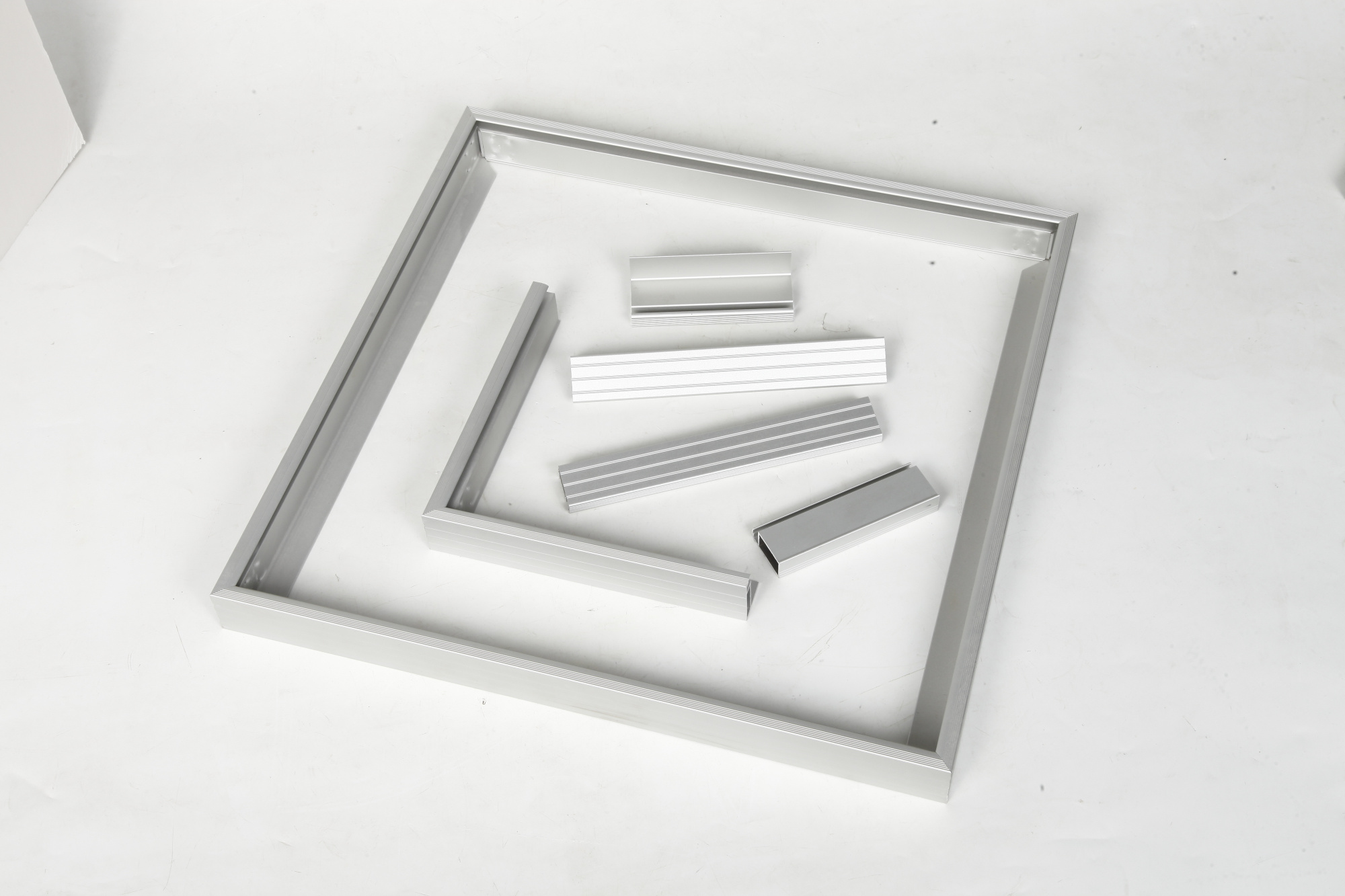
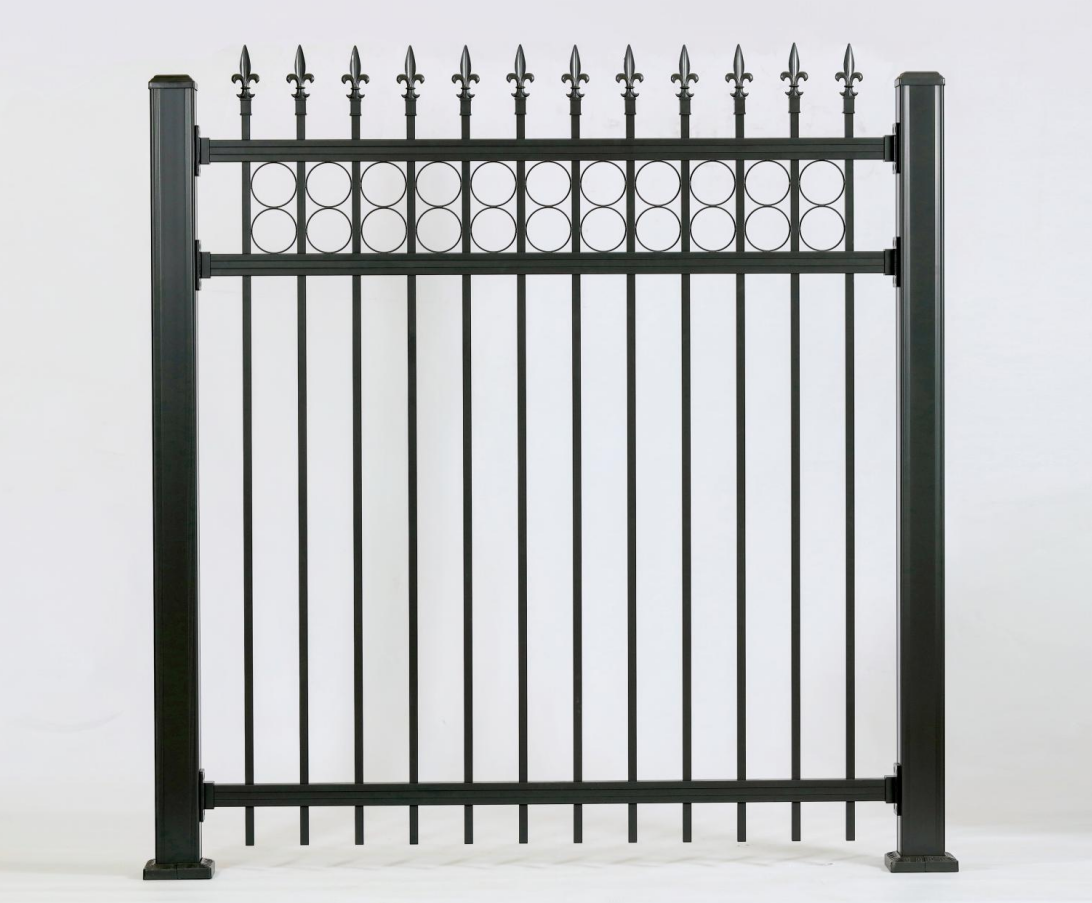
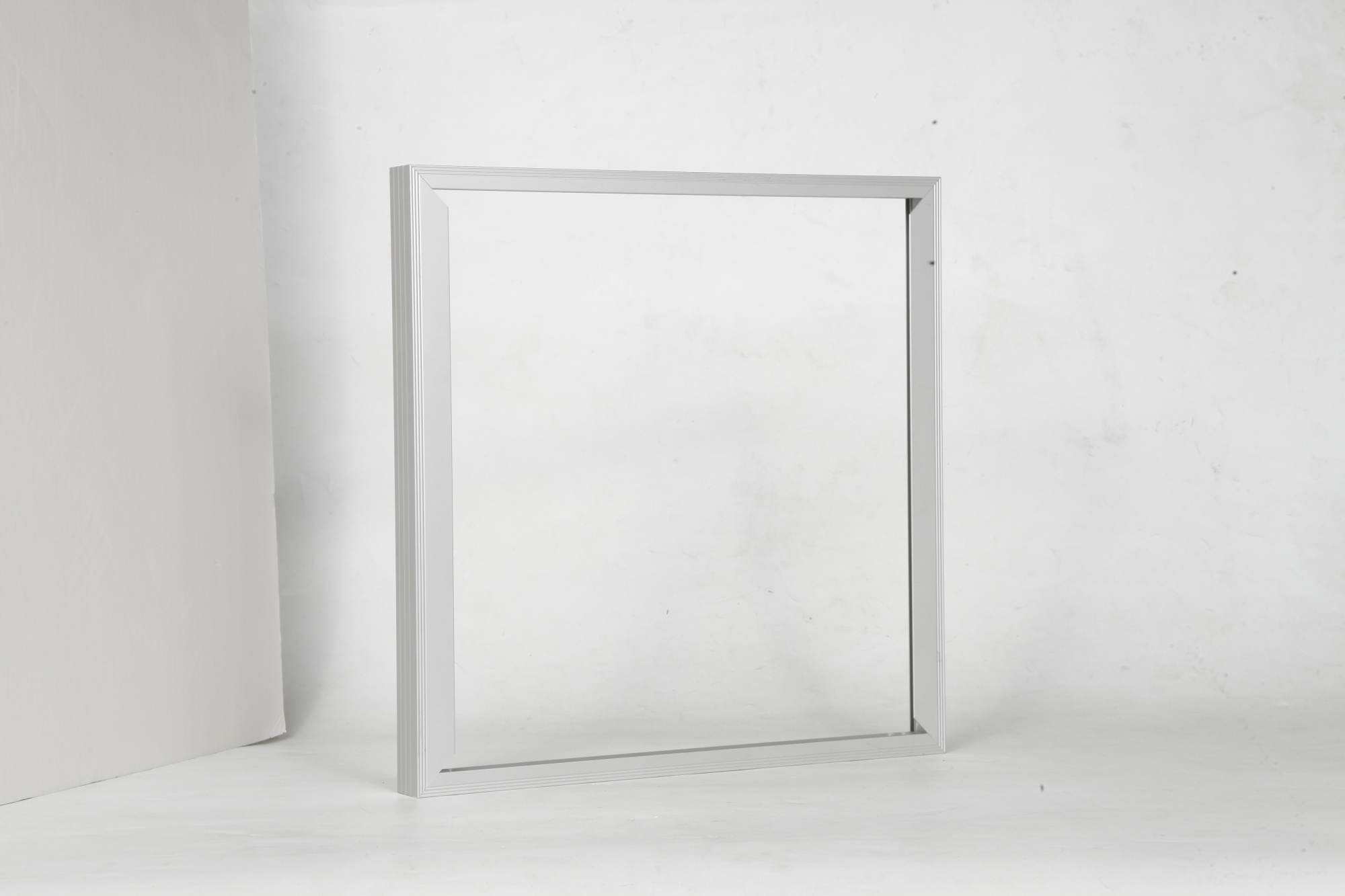
Aluminum alloy profiles are extruded structural components manufactured from aluminum combined with other elements such as magnesium, silicon, copper, and zinc to enhance specific properties. These versatile building materials are produced through a sophisticated extrusion process where heated aluminum billets are forced through specially designed dies to create precise cross-sectional shapes. The main functions of aluminum alloy profiles include providing structural support in construction frameworks, creating durable enclosures for industrial equipment, forming lightweight transportation components, and serving as essential elements in architectural designs. Technologically, aluminum alloy profiles feature exceptional strength-to-weight ratios, superior corrosion resistance due to natural oxide layer formation, excellent thermal and electrical conductivity, and remarkable formability that allows complex geometric configurations. The extrusion manufacturing process enables cost-effective production of consistent, high-quality profiles with tight dimensional tolerances. Applications span diverse industries including construction and architecture where aluminum alloy profiles form window frames, curtain walls, and structural supports; transportation sectors utilizing these profiles for automotive parts, railway carriages, and aerospace components; electronics manufacturing for heat sinks and equipment housings; and renewable energy systems incorporating profiles in solar panel frameworks and wind turbine structures. The recyclability of aluminum alloy profiles makes them environmentally sustainable, as they retain material properties through multiple recycling cycles without quality degradation, supporting circular economy principles while reducing manufacturing energy consumption compared to primary aluminum production.

New Product Releases

Choosing aluminum alloy profiles delivers substantial practical benefits that directly impact your project success and long-term operational costs. The lightweight nature of aluminum alloy profiles reduces transportation expenses, simplifies installation procedures, and minimizes structural load requirements, allowing you to build taller structures or reduce foundation costs. Despite their light weight, these profiles maintain impressive strength, supporting significant loads while preventing material fatigue over extended service periods. Corrosion resistance stands as a major advantage, eliminating the need for frequent maintenance, protective coatings, or replacement cycles that plague steel alternatives, which translates to lower lifetime ownership costs and reduced downtime. The natural passivation layer that forms on aluminum alloy profiles protects against moisture, chemicals, and environmental exposure without additional surface treatments. From an operational perspective, aluminum alloy profiles offer exceptional machining capabilities, accepting drilling, cutting, welding, and forming operations with standard equipment, reducing specialized tooling investments. The material's thermal properties make aluminum alloy profiles ideal for heat dissipation applications, improving equipment performance and longevity in electronic and mechanical systems. Design flexibility represents another critical buyer value, as the extrusion process accommodates virtually unlimited profile shapes, enabling optimized designs that consolidate multiple components, reduce assembly time, and improve aesthetic outcomes. Application suitability extends across temperature ranges from cryogenic to elevated heat environments, maintaining structural integrity where other materials fail. The decision to specify aluminum alloy profiles becomes particularly valuable when considering sustainability goals, as the material's recyclability supports environmental certifications, reduces carbon footprints, and may qualify projects for green building credits. Cost predictability benefits from aluminum's stable global supply chains and established recycling infrastructure, protecting against material price volatility while ensuring consistent quality and availability for both initial construction and future expansion phases.

Latest News

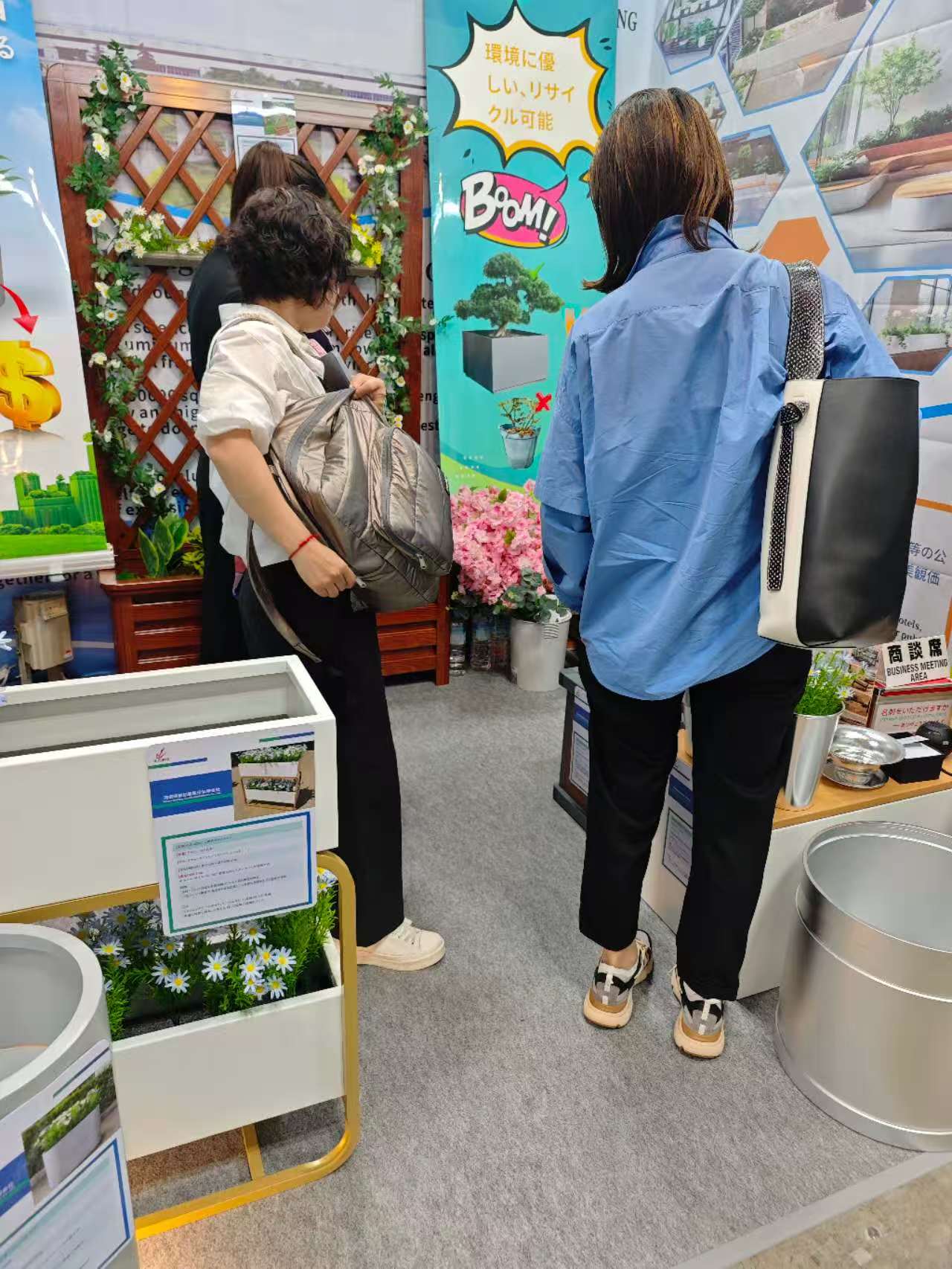
2025 Guangzhou Autumn Canton Fair Attend

06

May

2025 Guangzhou Autumn Canton Fair Attend

View More
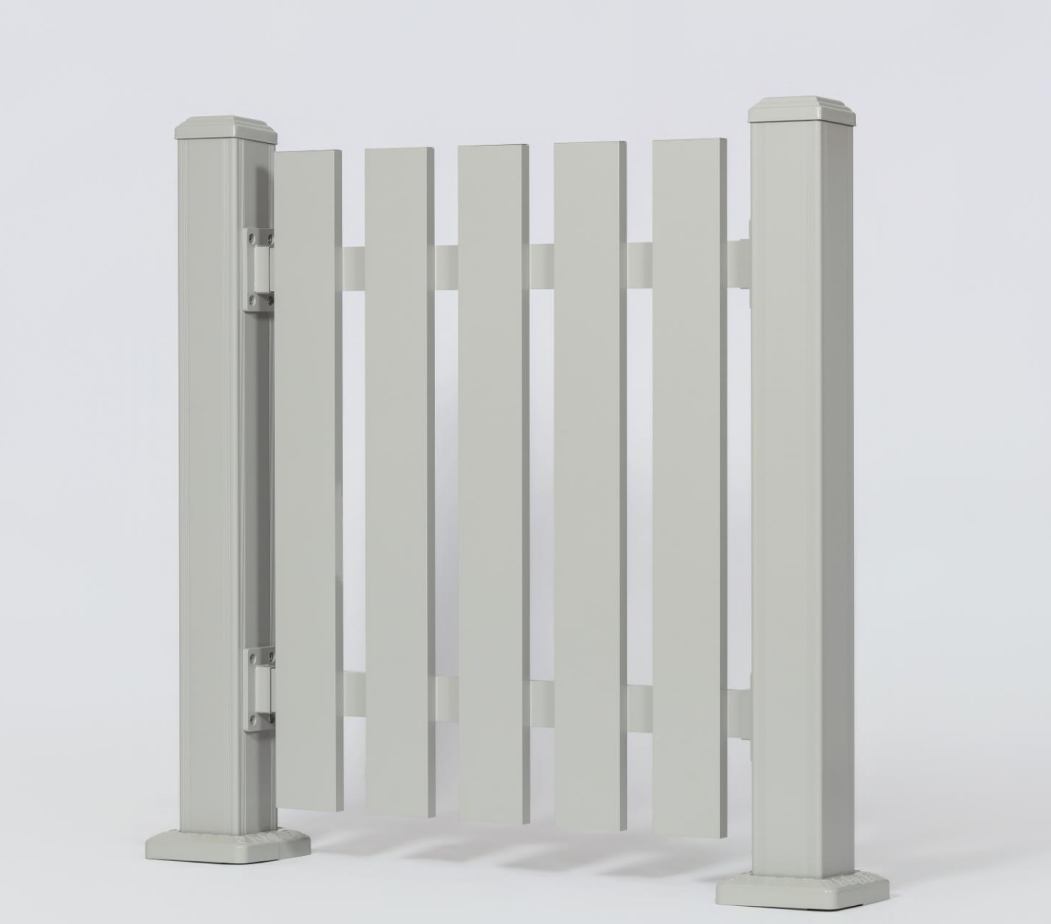
New product Aluminum Guardrails With Safety Structure

06

May

New product Aluminum Guardrails With Safety Structure

View More
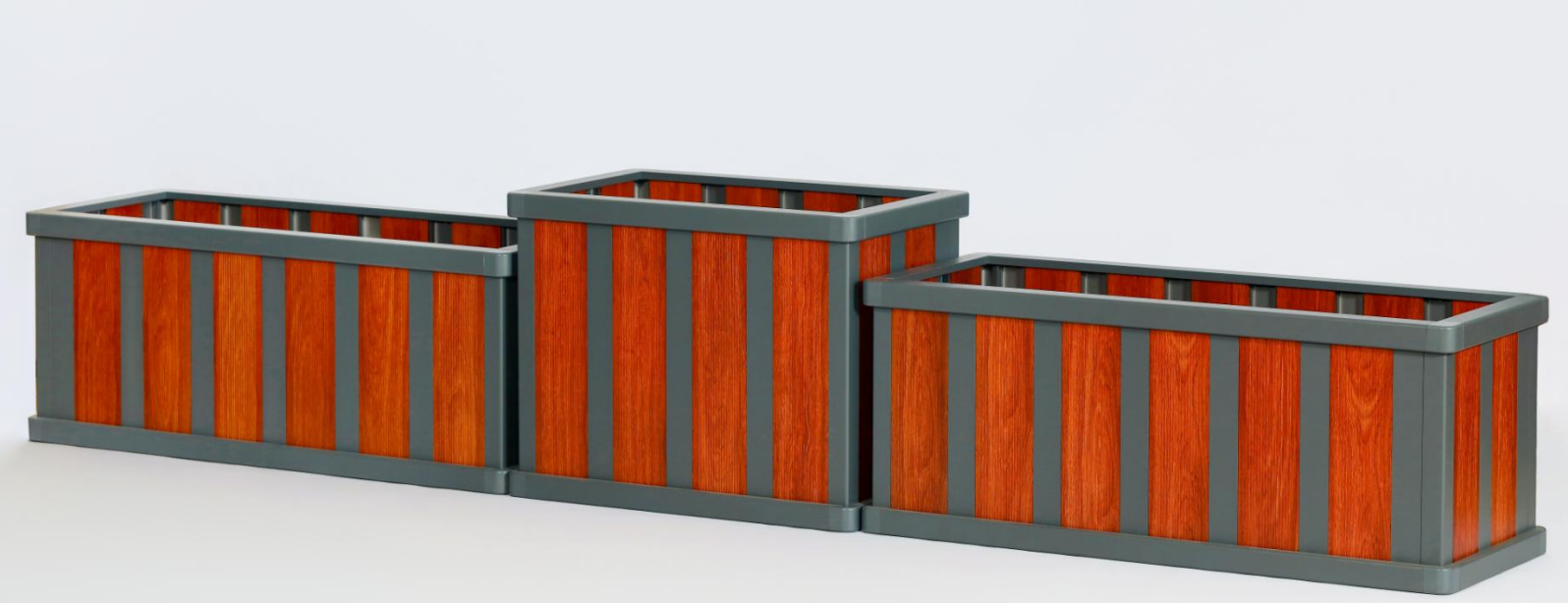
R&D Aluminum Planters & Flower Pots for Modern Outdoor & Indoor Use

06

May

R&D Aluminum Planters & Flower Pots for Modern Outdoor & Indoor Use

View More

Get a Free Quote

Our representative will contact you soon.
Email
Mobile/WhatsApp
Name
Company Name
Message
0/1000

aluminum alloy profiles

Superior Strength-to-Weight Performance

Superior Strength-to-Weight Performance

Aluminum alloy profiles deliver an outstanding strength-to-weight ratio that fundamentally transforms structural design possibilities and project economics. While pure aluminum offers moderate strength, alloying elements strategically incorporated into aluminum alloy profiles enhance mechanical properties to match or exceed many steel applications at approximately one-third the weight. This remarkable characteristic enables architects and engineers to design larger spans, reduce supporting structure requirements, and create innovative forms previously constrained by material limitations. In transportation applications, the weight savings from aluminum alloy profiles directly improve fuel efficiency, increase payload capacity, and enhance vehicle performance. Construction projects benefit from reduced foundation requirements, lower seismic loads, and simplified handling during installation, cutting labor costs and accelerating project timelines. The strength retention of aluminum alloy profiles across temperature variations ensures reliable performance in diverse climates, from arctic conditions to tropical environments. Manufacturing processes can produce profiles with varying wall thicknesses and reinforcement features within single extrusions, optimizing material placement exactly where structural demands require, eliminating waste while maximizing performance efficiency.
Exceptional Corrosion Resistance and Longevity

Exceptional Corrosion Resistance and Longevity

The inherent corrosion resistance of aluminum alloy profiles provides unmatched durability and minimal maintenance requirements across their operational lifespan, delivering significant economic advantages and operational reliability. When exposed to atmosphere, aluminum alloy profiles instantaneously form a protective aluminum oxide layer that prevents further oxidation, creating a self-healing barrier against moisture, salt spray, industrial pollutants, and chemical exposure. Unlike protective coatings that degrade and require reapplication, this natural passivation continuously regenerates if scratched or damaged, ensuring permanent protection. Coastal construction projects particularly benefit from aluminum alloy profiles, as saltwater environments rapidly corrode steel and other metals, while aluminum maintains structural integrity without protective treatments. Industrial facilities handling corrosive chemicals, food processing plants requiring sanitary surfaces, and wastewater treatment systems utilize aluminum alloy profiles to avoid contamination risks and reduce replacement frequencies. The longevity of aluminum alloy profiles extends building service life, reduces lifecycle costs, and eliminates maintenance disruptions that impact operations. Environmental exposure testing demonstrates aluminum alloy profiles maintaining structural properties for decades without degradation, providing dependable performance that protects initial investments and ensures safety throughout their service life.
Design Flexibility and Manufacturing Efficiency

Design Flexibility and Manufacturing Efficiency

Aluminum alloy profiles offer unparalleled design flexibility through the extrusion manufacturing process, enabling custom cross-sectional shapes that optimize functionality, reduce assembly complexity, and enhance aesthetic appeal while maintaining cost effectiveness. The extrusion process forces heated aluminum through precision dies, creating virtually unlimited geometric possibilities from simple angles to complex hollow sections incorporating multiple chambers, reinforcement ribs, and integrated fastening features within single profiles. This design freedom allows engineers to consolidate multiple separate components into unified aluminum alloy profiles, eliminating fasteners, reducing parts inventory, simplifying assembly procedures, and improving structural performance through continuous material paths. Architectural applications leverage this flexibility to create distinctive visual elements, concealed drainage channels, integrated thermal breaks, and snap-fit assembly features that reduce installation time and labor costs. Manufacturers benefit from rapid die production and modification capabilities, enabling prototype development, design iterations, and customization for specific applications without prohibitive tooling investments. The consistency of extruded aluminum alloy profiles ensures tight dimensional tolerances, reducing fitting adjustments and waste during assembly operations. Surface finishing options including anodizing, powder coating, and mechanical treatments integrate seamlessly with extrusion processes, providing complete solutions from single suppliers while maintaining quality control throughout production.

Get a Free Quote

Our representative will contact you soon.
Email
Mobile/WhatsApp
Name
Company Name
Message
0/1000

Copyright © 2026 Huilong Aluminium Industry Co., LTD. All rights reserved.  -  Privacy policy